
Why Korea’s Work Culture Is Still One of the Most Intense in the World
South Korea is known globally for its fast growing economy, technological innovation, and cultural exports like K-pop and K-dramas. But behind the country’s global success lies a work culture often described as one of the most demanding in the world.
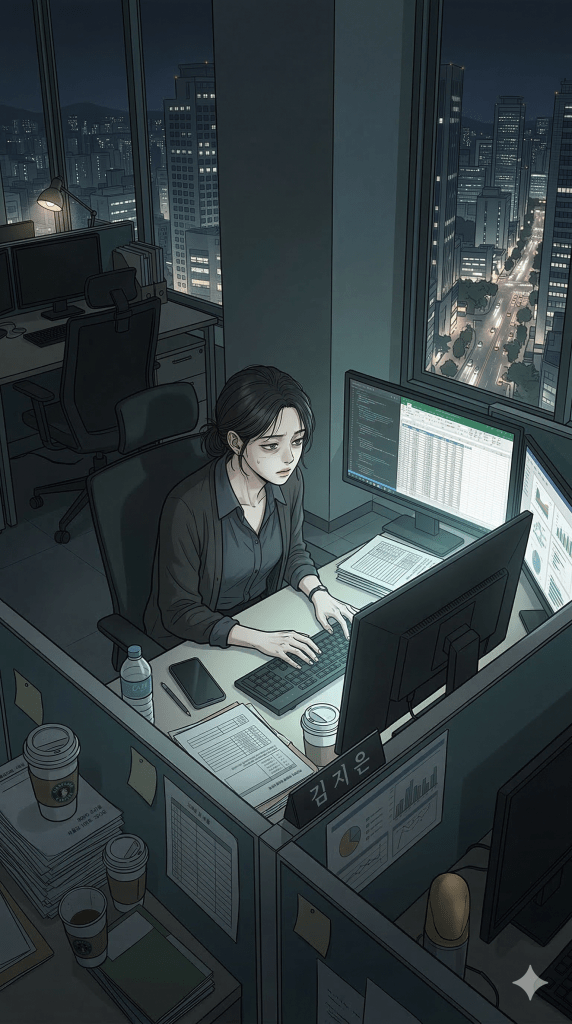
Long Hours and High Expectations
Historically, South Korea has ranked among the countries with the longest working hours in the OECD.
For decades, it was common for employees to work late into the evening, sometimes staying well beyond official hours as a sign of dedication to their team and company. In many workplaces, leaving before a manager could be viewed negatively. Although the government introduced a 52 hour weekly work limit in 2018, the cultural expectation of working hard and showing commitment still influences many industries.
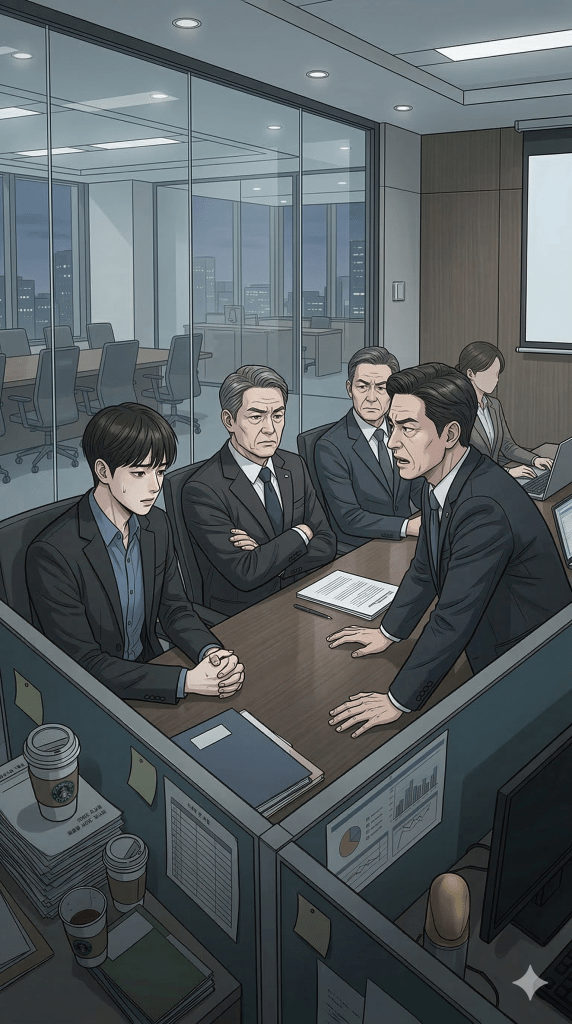
Hierarchy Still Shapes the Workplace
Korean companies often operate within a strong hierarchical structure, which reflects broader social norms. Age, job title, and seniority carry significant weight in workplace interactions. Junior employees are expected to show respect to senior staff, and decisions are frequently made through top down leadership. In some cases, this hierarchy can make it difficult for younger employees to openly challenge ideas or express disagreements.
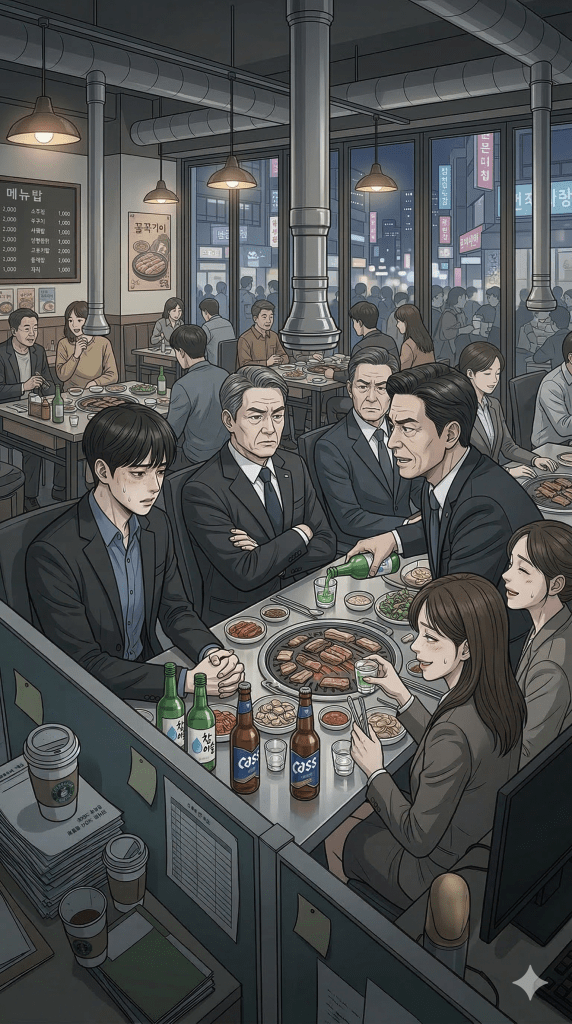
The Tradition of ‘Hoesik’
Another well-known aspect of Korean work culture is “hoesik” a company dinner or gathering held after work. These events are designed to strengthen team relationships, but they often involve long evenings of eating and drinking with colleagues and supervisors.
While once considered almost mandatory, attitudes toward hoesik are changing as younger workers seek a better balance between work and personal life.
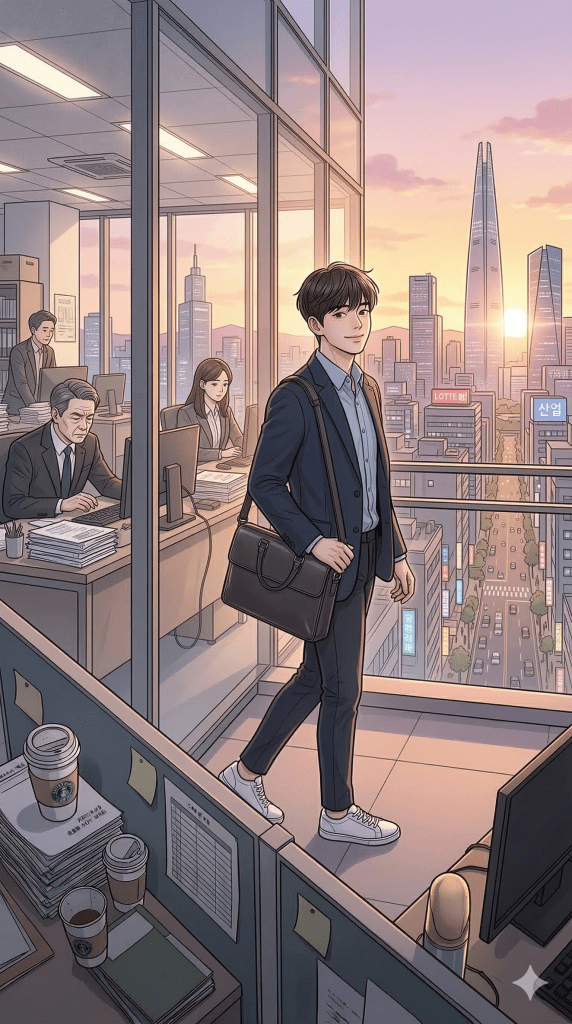
A New Generation Pushing for Change
Younger professionals, particularly Millennials and Gen Z, are increasingly questioning traditional workplace norms.
Many are prioritizing work-life balance, flexible schedules, and mental health, leading companies to gradually adapt. Remote work, casual office environments, and performance based evaluations are slowly becoming more common, especially in tech and startup sectors.
Balancing Tradition and Change
Despite reforms, South Korea’s work culture still reflects its history of rapid economic growth and intense competition.
For many professionals, the challenge today lies in balancing the country’s long-standing values of discipline and dedication with a growing desire for healthier and more sustainable work environments.
- HOT NEWS
- Sun Life Crowned the First-Ever "Diamond Choice" Winner at 2026 MPF Awards
- Dreame Debuts AURORA Smartphones at AWE 2026 With Modular Camera System and Luxury Lineup
- Globe Teleservices Announces Partnership with Myanma Posts and Telecommunications to Enhance Secure Messaging and Customer Experience
- Tetra Pak: Natural Ingredients and Emotional Drivers Reshape the Food Supplement and Nutrition Market across Asia Pacific (APAC)
- Fans Are Going Crazy Over IU and Byeon Woo-seok’s New Couple Poster The Visual Chemistry Is Unreal

허블 정보
Copyright © 2017 Huvle All Rights Reserved
admin@huvle.com