
From TVXQ! to ENHYPEN: 15 K-Pop Member Departures That Shocked the Industry
K-pop fans are no strangers to emotional roller coasters, but few moments shake the fandom quite like a sudden member departure. A recent report by Billboard revisited some of the most unexpected member departures in K-pop history.
The latest example came earlier this week when ENHYPEN’s Heeseung announced his departure from the group, choosing instead to focus on a solo career while remaining under the group’s label, BELIFT LAB a relatively rare scenario in K-pop.
According to Billboard’s analysis, many of K-pop’s most shocking departures happened with little warning. In some cases, the exits were tied to contract disputes, personal struggles, controversies, or other differences. In others, the reasons were never fully explained, leaving fans to speculate long after the announcement.
Here are several notable moments that reshaped the K-pop landscape.
TVXQ!’s Historic Split (2009)
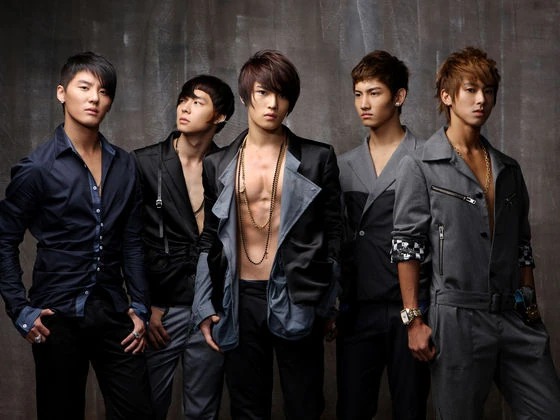
One of the most influential member departures occurred in 2009, when Kim Junsu, Park Yoochun, and Kim Jaejoong filed a lawsuit against SM Entertainment seeking to terminate their contracts with TVXQ!.
The trio argued that their contracts were excessively long and financially unfair. The legal battle lasted years and eventually led to the formation of JYJ, while TVXQ! continued as a duo with U-Know Yunho and Max Changmin. The case had a lasting industry impact: South Korea later introduced a rule limiting entertainment contracts to seven years, a standard that still defines K-pop contracts today.
EXO’s Sudden Member Exit (2014)
When EXO was at it’s peak popularity member Kris Wu filed a lawsuit against SM Entertainment shortly after the release of the group’s EP Overdose. Within the next year, fellow Chinese members Luhan and Tao also filed lawsuits, leaving the group and eventually pursuing careers in China. The exits marked one of the most dramatic shifts for a rising K-pop supergroup.

Girls’ Generation’s Jessica Controversy (2014)
Another moment that stunned fans came when Jessica Jung abruptly left Girls’ Generation in 2014. Jessica claimed she was informed she was no longer part of the group while traveling for a fan event, while the group’s agency confirmed her departure soon afterward. The exact circumstances remain one of the most debated events in K-pop history.

Mental Health and Personal Growth
Some departures have also been tied to personal struggles. For example, 2NE1’s Minzy left the group in 2016, later explaining that she had been dealing with severe depression and uncertainty about her future in the industry. Similarly, other artists have stepped away from groups to focus on mental health, education, or individual careers.

Sudden Announcements That Left Fans Confused
Other exits happened almost overnight.
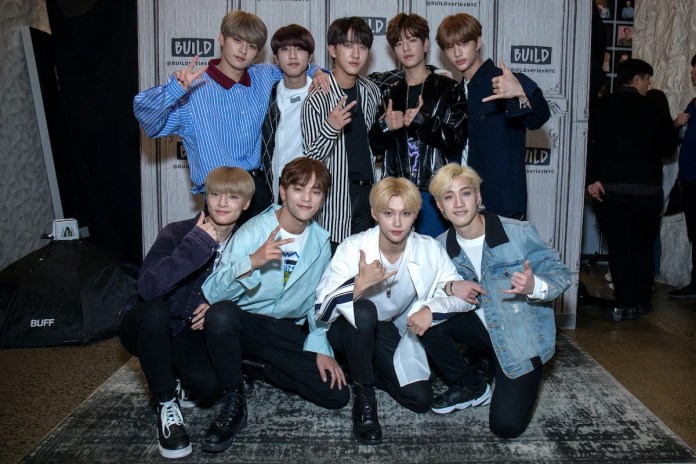
Stray Kids’ Woojin left the group in 2019 due to “personal circumstances.”
ONF’s Laun suddenly terminated his contract and stepped away from the entertainment industry the same year.
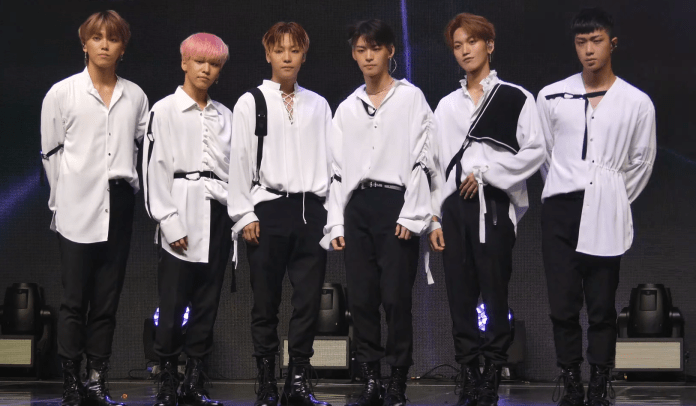
NMIXX’s Jinni unexpectedly departed the group in 2022 while actively promoting.

In many cases, agencies have chosen not to reveal detailed explanations a common industry policy intended to protect the artist.
Recent Controversies
More recent years have also seen major shake-ups.
Former Monsta X member Wonho left the group in 2019 amid allegations that were later cleared by police. He eventually returned to the industry as a solo artist.
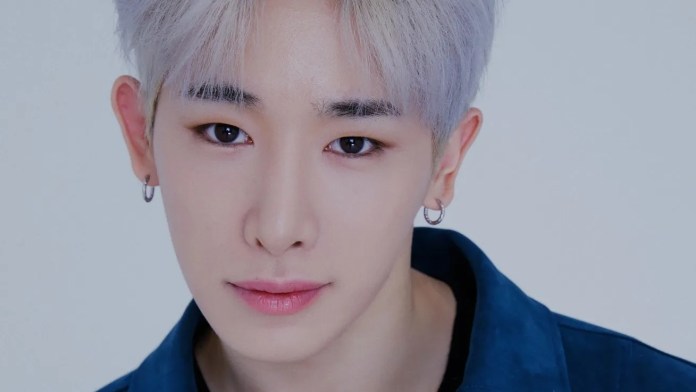
Meanwhile, RIIZE’s Seunghan experienced one of the more unusual timelines taking a long hiatus, briefly returning to the group, and then departing again to pursue a solo career under SM Entertainment.

Other controversial exits include NCT’s Taeil in 2024 following a criminal investigation
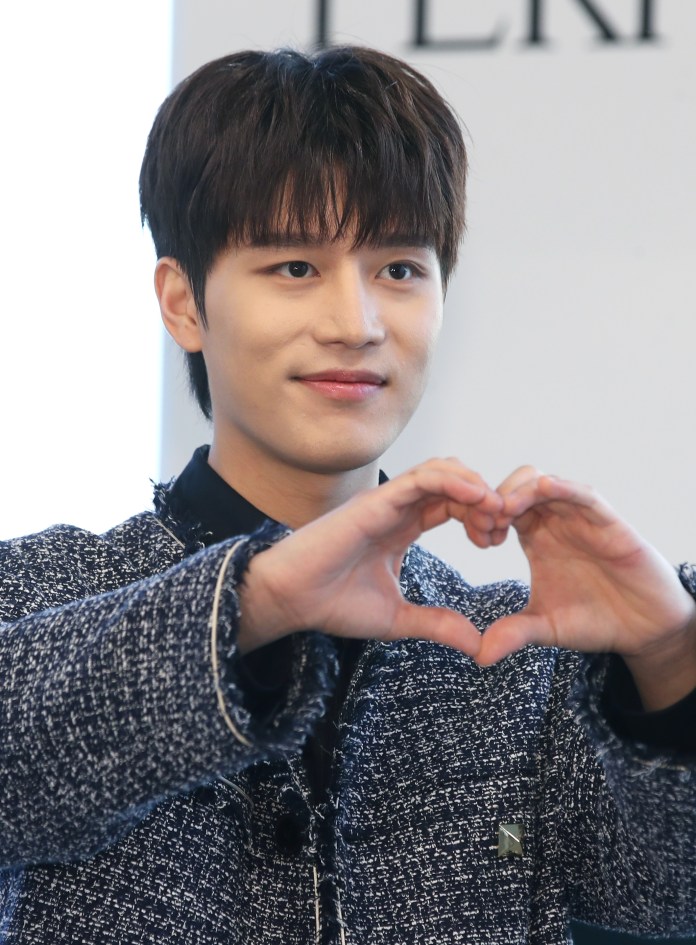
And also THE BOYZ’s Ju Haknyeon in 2025 amid legal disputes with his agency.

The Latest Shock: ENHYPEN’s Heeseung
The newest addition to the list came in 2026, when ENHYPEN member Heeseung announced his departure from the group to focus on a solo career.
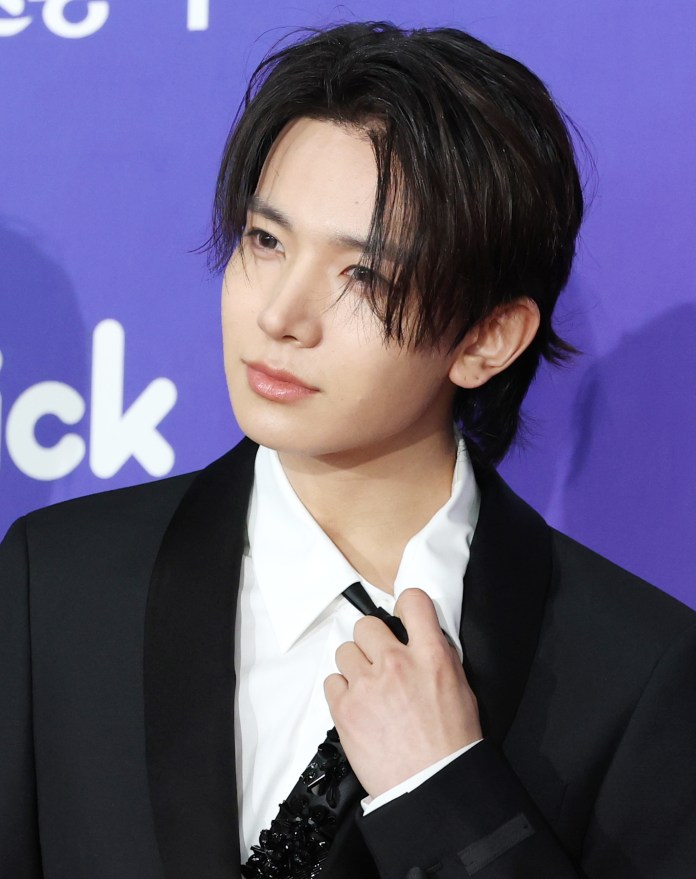
Unlike many K-pop exits, Heeseung will remain under the same company, BELIFT LAB, making the situation more similar to cases like Sunmi (Wonder Girls) or Wonho, who later returned as solo artists.

For fans, member departures often feel like the end of an era.
Even when groups continue successfully after lineup changes, the emotional connection fans build with a group’s original members makes these moments particularly difficult. Still, as Billboard notes, K-pop has proven remarkably resilient, with both groups and former members frequently finding new paths forward after even the most unexpected exits.
- HOT NEWS
- Esaote at EAU 2026: Introducing Exclusive PAM Technology to Advance Precision in Urological Imaging
- Piper-Heidsieck Champagne Returns to the Oscars®, Celebrating a Historic Legacy in Cinema
- Why UNIS’s Elisia Is Quickly Becoming One of K-Pop’s Most Talked-About Rookie Idols
- CVG Expands Women's Health Portfolio with Strategic Investment in REN Wellness
- Mining for key energy-transition minerals is not a major source of global greenhouse gas emissions, ICMM research finds



허블 정보
Copyright © 2017 Huvle All Rights Reserved
admin@huvle.com