
Why Luxury Brands Choose K-pop Idols: From G-Dragon to BTS, How Korean Style Took Over Global Fashion
K-pop is no longer just shaping music charts. It is now helping define the look, mood, and marketing strategy of global luxury fashion.
Over the past few years, names like G-Dragon, BTS, BLACKPINK, and Stray Kids have quietly become some of the most influential figures in global fashion not just as celebrities, but as cultural drivers who shape how style is consumed, shared, and understood worldwide. As major brands increasingly appoint K-pop idols as ambassadors, one question keeps coming up:
Why K-pop, and why now?
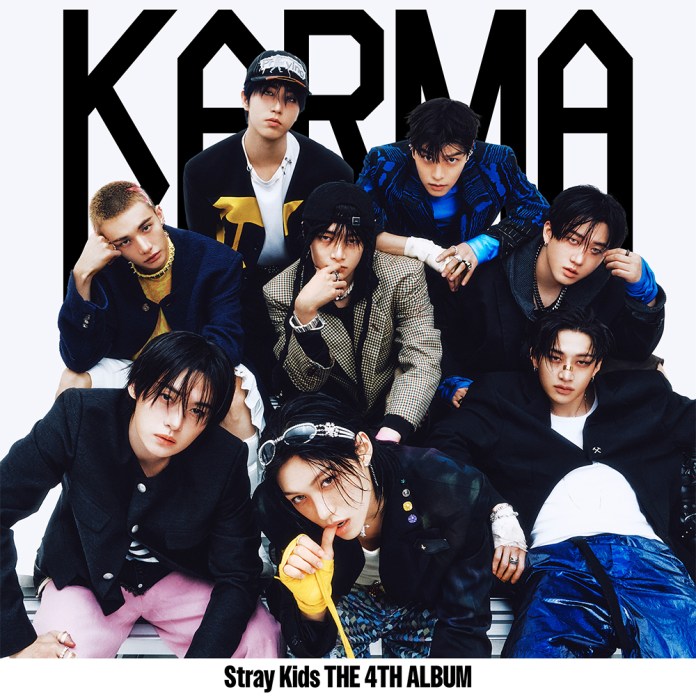
K-pop Fashion Explained: More Than Just Outfits
To understand the shift, it helps to start with how K-pop works.
Unlike traditional pop industries, K-pop has always treated visual elements such as colorful music videos and fashion as part of the music itself. Every comeback is built around a concept, and styling plays a central role in telling that certain story. That means outfits are never random. They are tied to the thematic of the song and concept, the emotions conveyed and also the group’s or individuals identity.
When BTS appeared in pastel suits in “Boy With Luv,” it wasn’t just a fashion choice it became part of the song’s global image. Similarly, artists like IVE’s Jang Wonyoung or Jimin and V of BTS use styling as a way to express personality, mood, and narrative. For luxury brands, this makes K-pop idols more than models. They become storytellers who wear fashion.
Why Luxury Brands Like Chanel Dior, and Louis Vuitton Bet on K-pop
Luxury brands are not simply chasing popularity they are responding to a structural shift in influence. K-pop idols not only become music and fashion icons for many but they offer something traditional celebrities often lack which is constant, real time connection with global audiences. Through social media, live broadcasts, and daily content, idols create a level of engagement that turns every appearance into a potential trend.
A single airport outfit or Instagram post can spark millions of interactions from people around the world which drives immediate product demand. Fans are always on the lookout, analyzing the smallest details about their favourites. From clothes to accessories and brands, every small object can shape the global fashion in a second. That is why big fashion houses carefully choose the faces that fit the best with their brand identity.
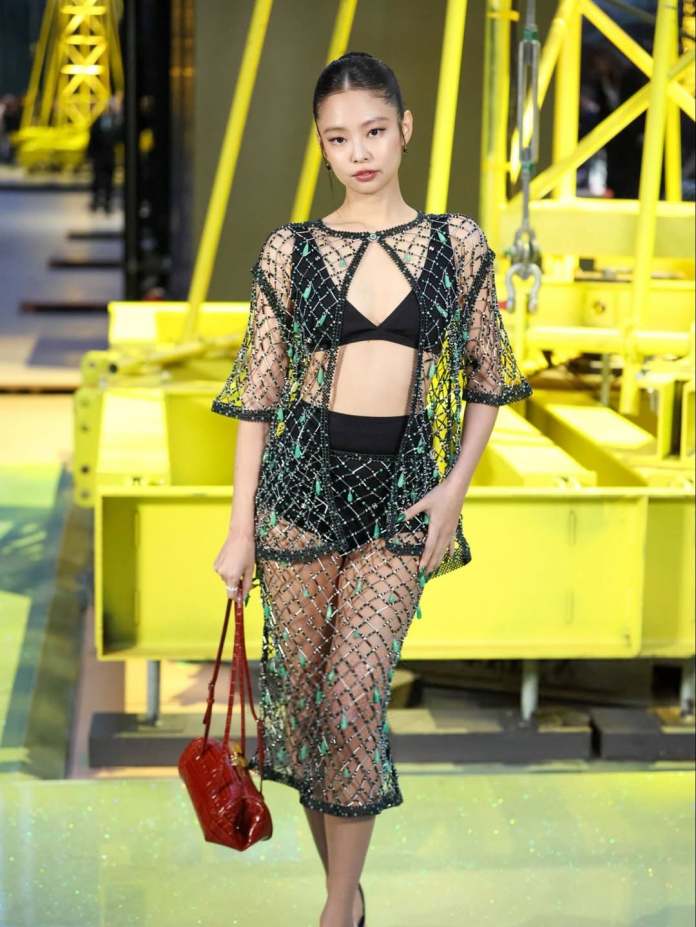
Jennie (Blackpink) & Chanel: As the first Asian ambassador for the house, Jennie has redefined “Tweed” for a younger generation, blending elegance with a modern edge.
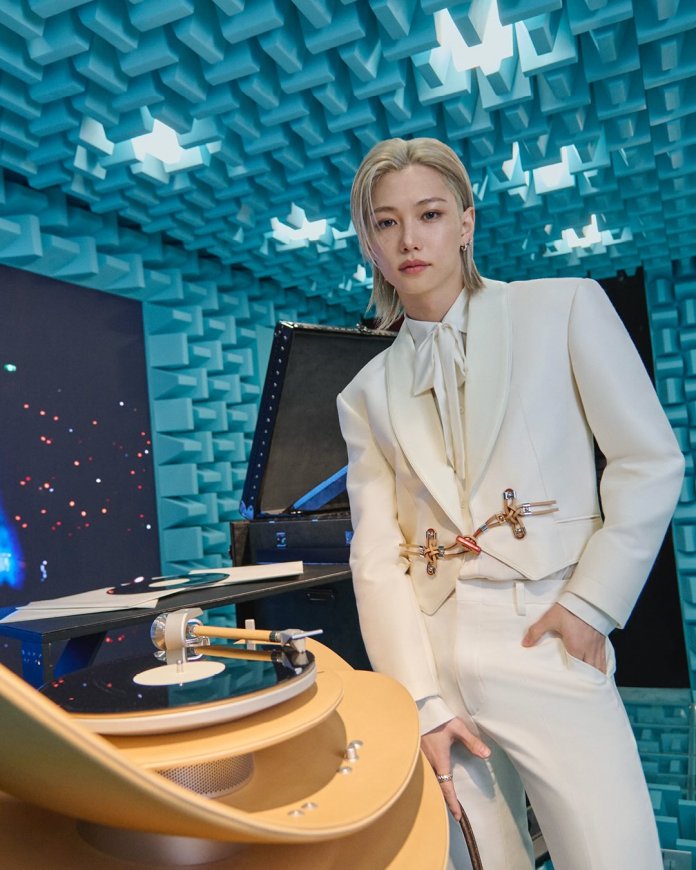
Felix (Stray Kids) & Louis Vuitton: Recently seen at the Visionary Journeys exhibition in Seoul, Felix showcased a modern “White-Tie” look by Pharrell Williams, echoing the gender fluid glam rock of David Bowie.
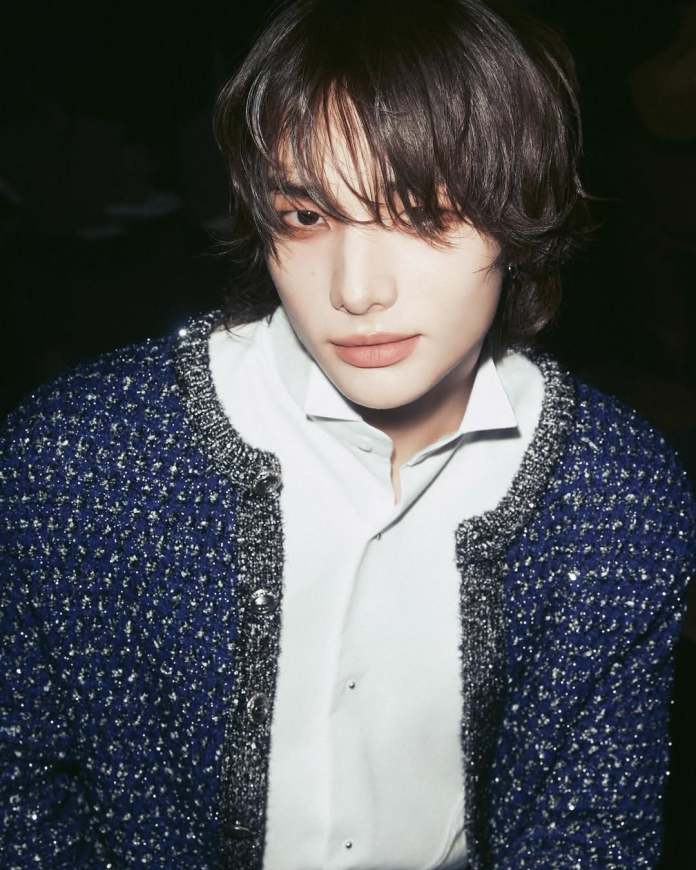
Hyunjin (Stray Kids) & Dior: His recent appearance at the Dior Homme Fall/Winter 2026-2027 show in Paris highlights the brand’s new positioning toward “Hallyu” under the creative direction of Jonathan Anderson
From G-Dragon to BTS: How K-pop Changed Fashion Influence
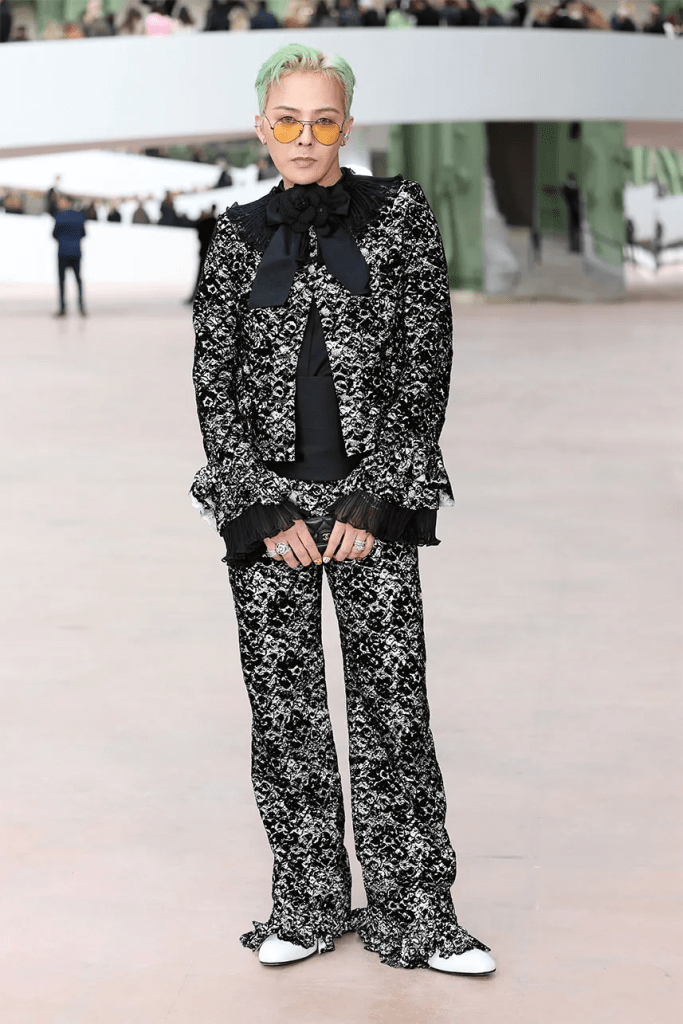
Long before the current wave, G-Dragon helped redefine what a fashion icon could look like in Asia. His use of gender fluid styling, bold silhouettes, and luxury layering challenged traditional norms and opened the door for a more experimental approach to fashion.
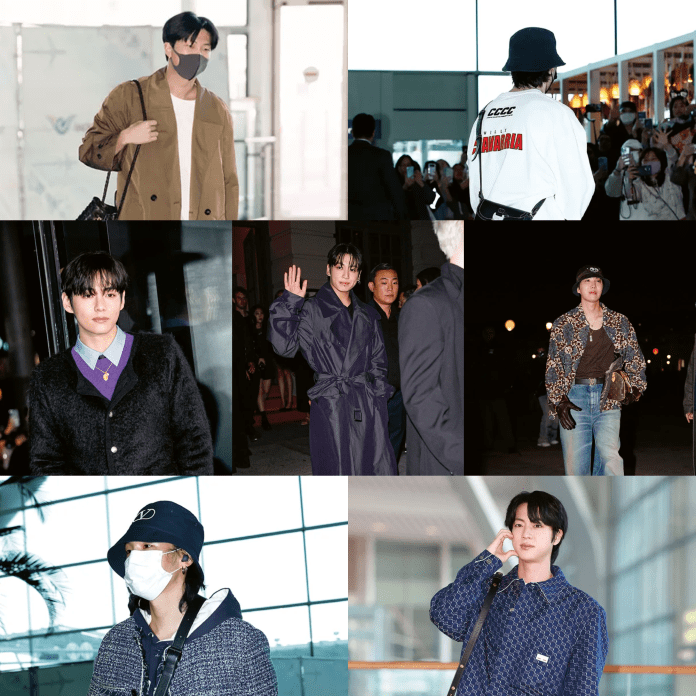
BTS also expanded that influence globally by showing that style could exist in multiple forms within one group. Each member represents a different approach:
- RM leans toward minimal, intellectual luxury
- Jimin blends softness with refined elegance
- V channels classic, cinematic styling
- Jungkook moves between streetwear and Y2K-inspired looks
- J-Hope embraces bold, playful fashion
Together, they demonstrated that K-pop fashion is not one trend it is a range of identities.
How K-pop Balances Fantasy and Everyday Style
One of K-pop’s biggest strengths is its ability to move between two worlds.
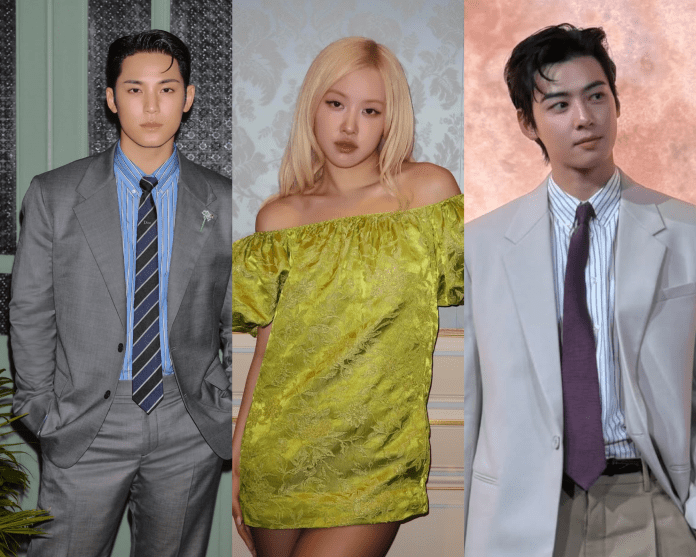
On stage, idols present highly stylized, almost cinematic visuals. Off stage, they translate those looks into more wearable, everyday fashion. This duality makes their style both aspirational and relatable. Artists like Rosé, Mingyu, and Cha Eun-woo often blur that line, making luxury feel less distant and more integrated into daily life.
For younger audiences, this changes how fashion is perceived not as something exclusive, but something personal and adaptable. As these idols continue to dominate the front rows of Paris and Milan, their influence proves that K-pop is no longer a subculture it is the very engine driving the future of the luxury industry.
This is why luxury brands continue to invest in K-pop. Not simply because idols are popular but because they represent a new kind of cultural power.
- HOT NEWS
- Agoda's Top Picks for Unique Zipline Adventures in Asia
- iQIYI's "Pursuit of Jade" Captures Global Audience with Chart-Topping Performance
- 2026 Japan Photovoltaic Expo Wraps Up, BiLight Space Solar Technology Powers AI Applications with Full-Scene Commercial Solutions
- Taiwan Showcases "100 Ways" to Explore the Destination at NATAS Travel Fair 2026
- After Years as Yumi, Kim Go-eun Admits Something Surprising About the Role


허블 정보
Copyright © 2017 Huvle All Rights Reserved
admin@huvle.com