
“I Don’t Think I Was Wrong, But…” BTS Jungkook Offers Candid Apology for ‘Live Stream Profanity’ Controversy
BTS’s Jungkook has personally addressed the recent heated debate surrounding his unfiltered language during a live broadcast. While offering an apology to fans who felt uncomfortable, the global superstar maintained his signature “unapologetic” stance, sparking a new wave of discussions regarding the boundaries of idol transparency in 2026.
On the morning of April 8, Jungkook connected with fans via a Weverse Live session. During the broadcast, he took a moment to reflect on the fallout from a previous stream that some critics labeled as reckless.
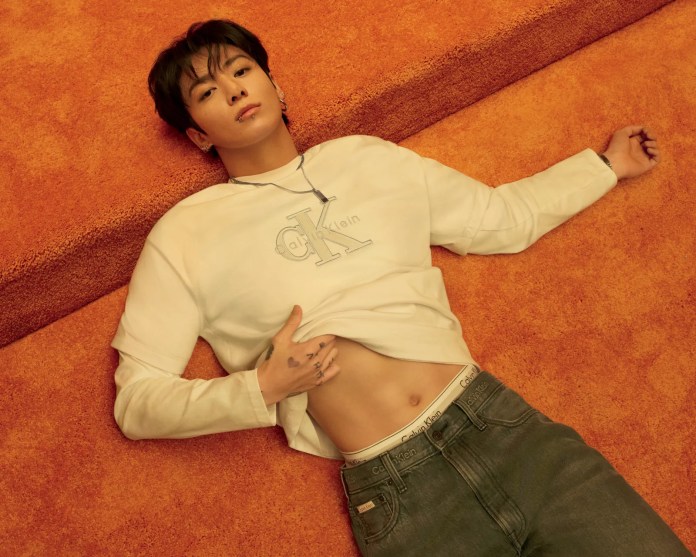
The Apology: “For the Fans, Not the Critics”
Jungkook opened up with a mix of sincerity and firm self-conviction. “I felt like I should apologize to ARMY before moving on,” he began. However, he quickly added a caveat:
“To be honest, personally, I’m not sure if I did something significantly wrong. But I realized that some of you might have felt uncomfortable.”
He explained his perspective as a veteran artist who has been in the industry for over a decade. “I didn’t think of myself as just a public figure in that moment; I thought I was saying things that anyone in this industry says. But since I’ve never shown that side of myself before, I understand why it was jarring for ARMY.”
Jungkook concluded this portion by stating, “To the ARMYs who were genuinely uncomfortable, I want to say I’m sorry, and I’ll try to restrain myself.”
A Firm Line Against “Hate for Hate’s Sake”
While soft toward his fans, Jungkook showed no such leniency toward online detractors. He noted that the day of the controversial stream was fueled by the high spirits of BTS’s recent “Arirang” comeback.
“I don’t have much to say to the people who are just busy looking for things to tear down,” he remarked pointedly. “Thank you for the interest, but if I get sued or whatever, I don’t really care.”

Background: The ‘Drunken Live’ Incident
The controversy stems from a February Weverse Live, famously dubbed the “Sool-labang” (Alcohol-fueled Live) by fans. During that session, Jungkook was seen enjoying a drink while speaking candidly—and at times with profanity about his frustrations with his situation and the industry.
At the time, he had challenged the rigid expectations placed on idols, saying, “This might become a controversy, but this is who I am, so what? I’m a human being. I just want to have fun.” He also raised eyebrows by mentioning, “If it weren’t for the company, I’d want to tell you everything.”
Editor’s Insight: The “Humanization” of the Global Idol
Jungkook’s recent apology is a masterclass in “Authenticity Branding” for the 2026 K-pop era. By refusing to give a standard, corporate-scripted apology, he is establishing a Topical Authority on the “Human Idol” archetype.
From a strategic perspective, this “Sincere but Stubborn” approach actually strengthens his bond with a Gen Z and Millennial audience that values Radical Honesty over polished PR. While traditionalists argue for “discretion,” Jungkook is betting on the long-term loyalty of fans who prefer a “real person” over a “perfect product.”
In the wake of the record-breaking success of the “Arirang” album, this controversy serves as a reminder that the biggest stars of 2026 are no longer just performers—they are icons who demand the right to be flawed.
Do you think Jungkook’s refusal to label his actions as “wrong” sets a healthy precedent for idol mental health, or does it erode the professional standards expected of global ambassadors?
- HOT NEWS
- Thunes Joins Circle Payments Network Managed Payments to Advance Global Payment Interoperability
- EVEANDBOY' Organizes 'T-BEAUTY FEST' to Bring Thai Beauty Brands to the Global Stage, Highlighting the Potential of 'T-Beauty' Products of Thailand with 100 Million Units Sold
- ARC Group Returns to Kuala Lumpur for 4th Annual Capital Markets & M&A Forum
- Argon & Co Advances AI-Enabled Business Transformation Model, Promotes Four New Partners
- Skoll Foundation Announces Winners of the 2026 Skoll Award for Social Innovation


허블 정보
Copyright © 2017 Huvle All Rights Reserved
admin@huvle.com