
From BTS Fans to Global Idols: How ‘Santos Bravos’ is Exporting the K-Pop Formula
The lines between “Korean Pop” and “Global Pop” are blurring. With the arrival of ‘Santos Bravos,’ a Latin American boy group produced by HYBE, the industry is witnessing a new chapter where the K-pop training system is being exported worldwide, regardless of nationality.
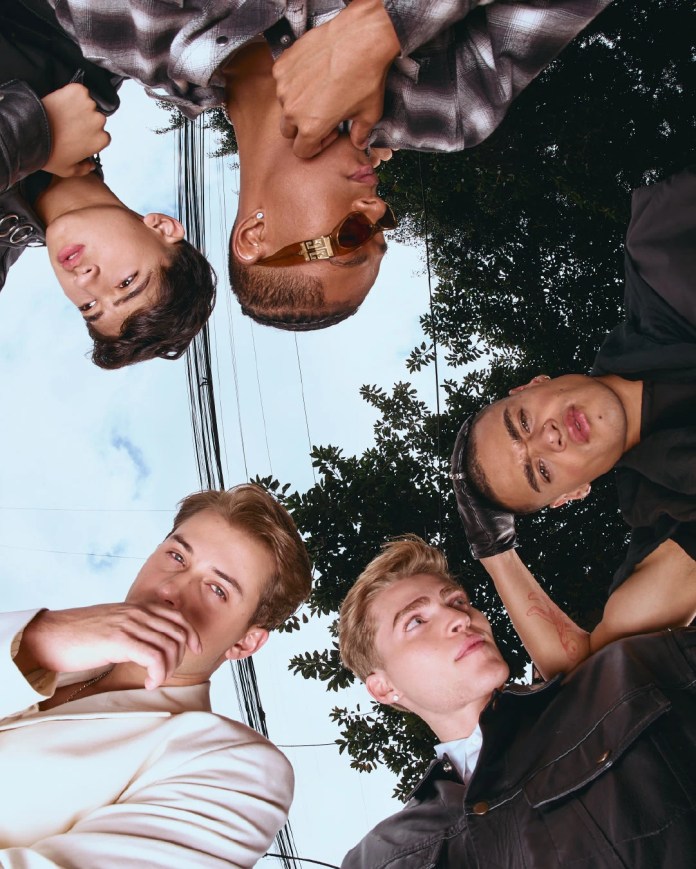
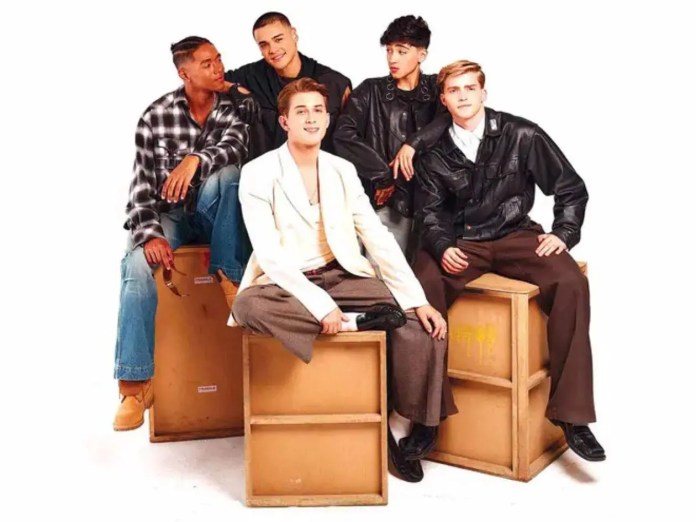
When the boy group Santos Bravos composed of members from Mexico, Brazil, Peru, and the United States—stepped onto a Korean music show stage this month, they brought something familiar yet entirely new. Dressed in the sharp, synchronized outfits characteristic of K-pop, they executed complex choreography with the precision that fans expect from the genre. Yet, every member was non-Korean.
The “K-Pop DNA” in a Latin Frame
Produced by HYBE Latin America, Santos Bravos is the latest example of “Global Localization.” The group is not just copying K-pop; they are a direct product of the K-pop training system, synthesized with Latin Pop sensibilities. During a recent appearance on MBC’s Bae Cheol-soo’s Music Camp, the group introduced themselves with the iconic “1, 2, 3, Hello” greeting, signaling their deep respect for the culture they are representing.
But the group’s connection to Korea runs deeper than just choreography. During their appearance, member Cauê revealed that his path to the stage was paved by BTS. “BTS has influenced me so much,” he shared. “I’ve been a fan since 2014, and I’ve spent years studying their music, their performances, and their work ethic.” For the members of Santos Bravos, K-pop is not a trend; it is the blueprint they have studied for a decade.
Beyond a Trend: The “KATSEYE” Success Story
This isn’t an experiment; it’s a proven business model. HYBE previously demonstrated the potential of this localization strategy with the global girl group KATSEYE.
By successfully blending international talent with the rigorous training systems of Korea, KATSEYE has become a force in the global market. They have already:
- Been nominated for “New Artist of the Year” at the 68th Grammy Awards and the 2026 American Music Awards.
- Topped charts with “Pinky Up,” reaching #28 on the Billboard “Hot 100” and #14 on the UK “Official Singles Top 100.”
Why the Formula Works
Music critic Kim Do-heon explains that this shift is inevitable due to the “quality gap.” He notes, “Korean companies possess a unique know-how in artist production and training systems. When these companies participate in creating localized groups, there is an unavoidable difference in quality. That ‘K-pop polish’ is what audiences are craving worldwide.”
By exporting the production methodology—the intense practice, the visual branding, and the narrative storytelling—rather than just the nationality of the artists, K-pop is no longer just a Korean product. It has become a global “manufacturing style.”
The Future of K-Pop
As groups like Santos Bravos continue to rise, the definition of a “K-pop idol” is expanding. They are the latest bridge in the globalization of Korean culture. By adopting the K-pop formula, these artists are not just performing—they are participating in the ongoing expansion of the K-pop ecosystem, turning it into a truly universal language.
- HOT NEWS
- JXQ AI Forum 2026 Unveils New AI-Driven Growth Paradigms for Industry-City Integration in the 15th Five-Year Plan Period
- Strengthening Its Sustainable Finance Strategy, PT Vale Secures US$750 Million ESG-Linked Syndicated Loan Facility
- Duck Creek Kicks Off Formation '26 as Strong Fiscal Momentum Signals Accelerating Demand for its Intelligent Core Insurance Platform
- From China to Silicon Valley: BemiGo Unveils the World's First End-to-End Autonomous Delivery Solution
- Cohen & Steers Renames UCITS Preferred Securities Strategies as Hybrid Credit Strategies


허블 정보
Copyright © 2017 Huvle All Rights Reserved
admin@huvle.com