
G-Dragon Apologizes After Controversial Outfit Sparks Racism Debate
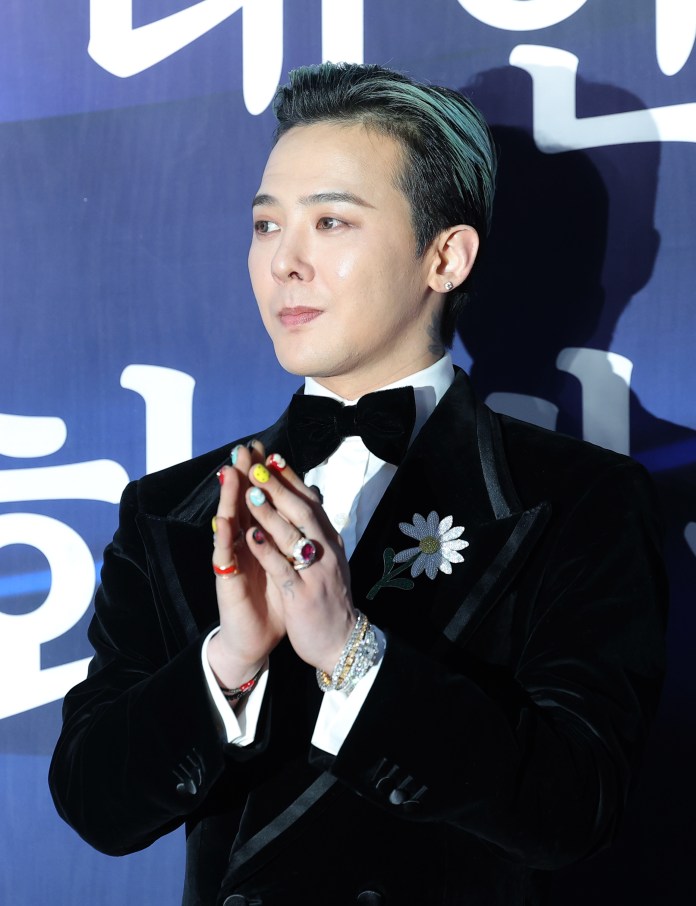
G-Dragon has issued an official apology after wearing an outfit containing racially offensive wording during a recent overseas performance, prompting widespread criticism from global fans.
According to his agency Galaxy Corporation, the incident occurred during the ‘K Spark in Macau’ event held on May 2. The company released a statement on May 4, acknowledging that the outfit included language that was “inappropriate within social and cultural contexts.”
“We sincerely apologize,” the agency said, adding that it will strengthen internal review processes to ensure greater sensitivity toward cultural diversity in future activities.
The Controversy: What Happened on Stage
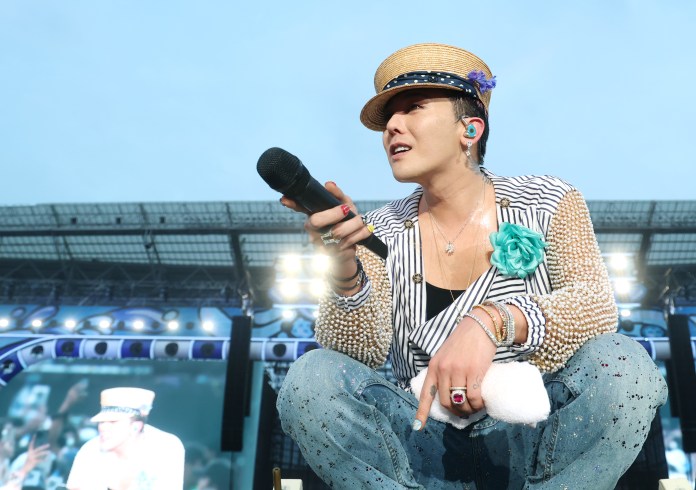
During the performance, G-Dragon appeared on stage wearing a white cropped jacket, sleeveless top, and jeans.
The issue stemmed from a phrase printed on his shirt in Dutch, which contained wording widely interpreted as racially offensive.
The phrase included a term that, in many regions including Western countries, is considered a derogatory slur toward Black people and carries deeply problematic historical connotations.
Shortly after the performance, global audiences began raising concerns online, with criticism spreading rapidly across social media platforms.
Agency Response: Apology and Promise of Review
In its official statement, Galaxy Corporation emphasized that the wording had not been appropriate for a public stage.
The agency stated that it will:
- Improve internal verification systems for styling and content
- Increase awareness of cultural and social sensitivities
- Ensure that future activities reflect respect for diverse audiences
The response signals a shift toward stricter oversight as K-pop artists continue to operate on increasingly global platforms.
Why This Moment Matters in Global K-Pop
As K-pop expands worldwide, artists are performing in front of audiences from diverse cultural and historical backgrounds.
What may be overlooked locally can carry very different meanings internationally especially when it comes to language, symbolism, and representation.
This incident highlights a growing reality in the industry:
global visibility also means global accountability.
What’s Next for G-Dragon
Despite the controversy, G-Dragon is set to continue his world tour ‘Übermensch’, with an upcoming performance scheduled for May 17 at the Philippine Arena in Bulacan.
How this moment shapes future conversations around cultural awareness in K-pop remains to be seen—but for now, the focus is on acknowledgment, response, and moving forward.
- HOT NEWS
- WIEA Weibo International Entertainment Awards Makes Debut in Macau, Bringing Together Top Talent from China, Korea, and Thailand
- GAC Debuts Three Global Models at Auto China 2026 as It Accelerates Global Push
- TCL TECH 2025 Net Profit Surges 188.8%, Led by Strong Display Performance
- Taimei Technology Debuts at BioKorea 2026, Showcasing AI-Powered Clinical Research Solutions
- Visa Destinations Launches in Asia Pacific as Regional Travel Remains Resilient


허블 정보
Copyright © 2017 Huvle All Rights Reserved
admin@huvle.com