
HYBE’s Girl Groups Are All Going EDM — But Is K-Pop Losing Its Individual Sound?
LESSERAFIM, ILLIT, and KATSEYE are all embracing powerful electronic sounds and fans are starting to notice a bigger trend in K-pop.
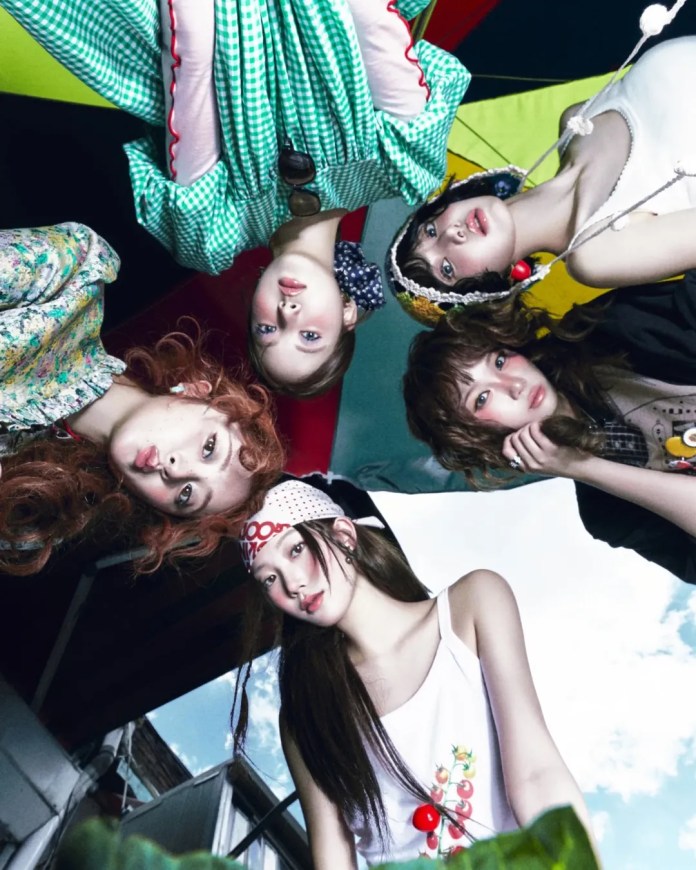
Over the past month, three major HYBE-affiliated girl groups have returned with one thing in common: loud, fast, electronic dance music.
From LESSERAFIM’s explosive techno-inspired “CELEBRATION” to ILLIT’s aggressive new track “It’s Me” and KATSEYE’s high-energy single “PINKY UP,” HYBE’s girl groups are increasingly leaning into EDM-heavy production built around intense beats, festival-ready drops, and performance-driven hooks.
While many listeners are enjoying the bold shift in sound, others are beginning to ask a different question. Is HYBE creating the next evolution of globally competitive girl groups, or are the groups slowly beginning to sound too similar?
LE SSERAFIM, ILLIT, and KATSEYE Push Stronger Electronic Sounds
The trend became impossible to ignore after the release of LESSERAFIM’s “CELEBRATION,” a lead single that combines melodic techno with hardstyle influences. The song delivers fast-paced electronic intensity while pushing a message about confronting fear and celebrating emotional growth.
ILLIT followed with a surprising sonic transformation of their own. Previously known for dreamy and fairy-like concepts, the group took a far more aggressive approach in “It’s Me,” introducing sharper electronic production, bolder lyrics, and choreography built around intense movements and headbanging energy. The track feels deliberately louder, more direct, and more performance-oriented than the group’s earlier releases.
Meanwhile, HYBE x Geffen’s global girl group KATSEYE continued expanding its international identity through “PINKY UP,” a track packed with hyperpop textures, oversized synth production, and powerful percussion. After first being introduced during Coachella, the song entered Billboard’s Hot 100 at No. 28 and has remained on the chart for multiple weeks, proving strong global response.
Although each release approaches EDM differently, the similarities in overall energy and production style have become increasingly noticeable to fans.
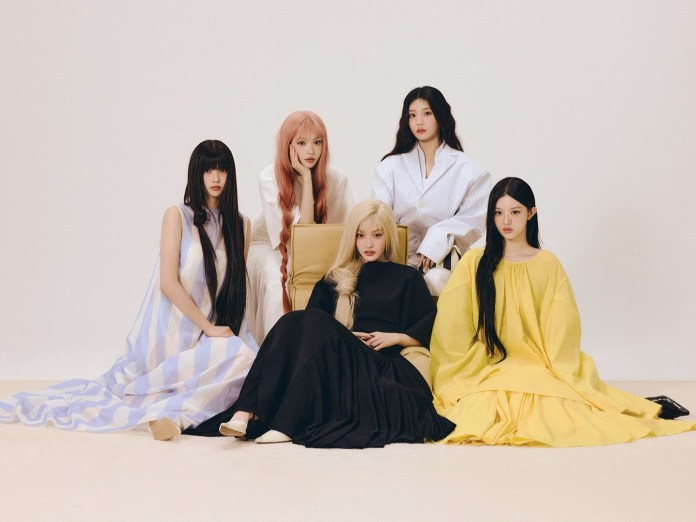
EDM Is Becoming K-Pop’s New Mainstream
Industry observers say this shift is happening because electronic music has become one of the most globally effective sounds in modern pop music.
Genres such as techno, hyperpop, and hardstyle translate easily across borders because they rely heavily on atmosphere, rhythm, visual performance, and physical energy rather than lyrical understanding alone. In the current global market, songs built around explosive drops and strong sonic identity often perform especially well on short-form platforms, live festival stages, arena tours, and streaming playlists.
That evolution can already be seen beyond HYBE. Recent releases like aespa’s “Whiplash” and BLACKPINK’s “Run” also leaned heavily into electronic dance production, suggesting that EDM is becoming one of the defining sounds of newer-generation K-pop.
For many companies, the direction makes business sense. Strong electronic production creates songs that feel larger, faster, and easier to consume globally.
But Some Fans Are Starting to Notice Similarities
At the same time, criticism is beginning to grow around the possibility of sonic overlap between groups.
Many fans argue that newer releases increasingly rely on similar structures: repetitive hooks, aggressive beat drops, high BPMs, and choreography-first performance design. As more groups embrace the same musical direction, some listeners feel that distinct group identities are becoming less clear.
Music critic Kim Do-heon recently noted that while LESSERAFIM and KATSEYE still approach different EDM subgenres with one leaning closer to hardstyle and the other embracing hyper pop the broader electronic framework connecting the songs feels increasingly shared.
That observation has sparked wider discussion online about whether K-pop companies are prioritizing globally effective sound trends over unique musical color.
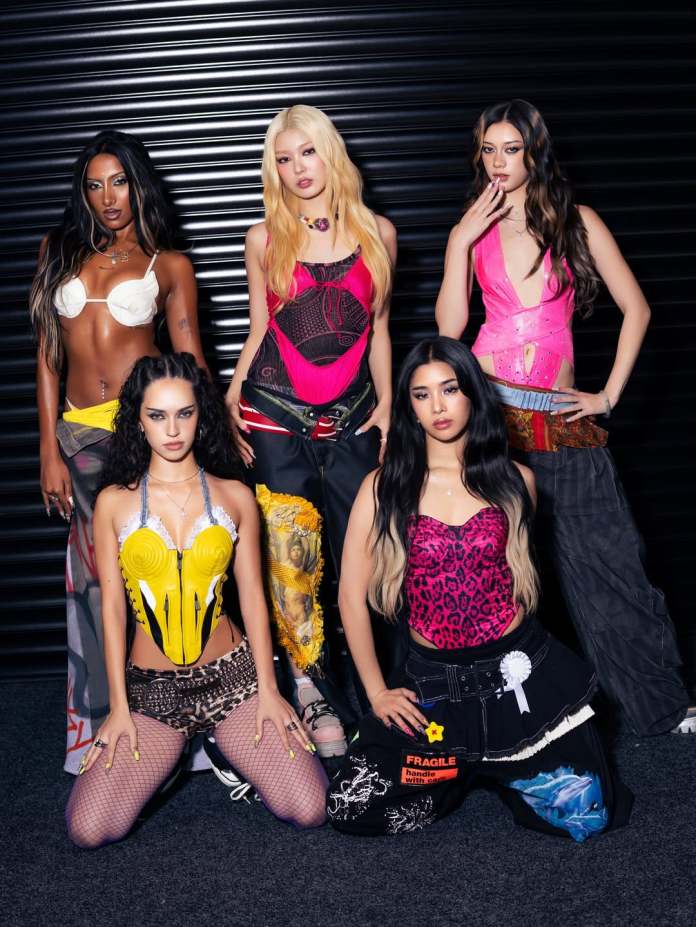
Why This Trend Matters
The conversation reflects a much larger change happening inside the K-pop industry.
Today’s idol groups are no longer competing only through catchy melodies or visual concepts. Increasingly, they are competing through atmosphere, performance intensity, stage energy, and instantly recognizable sonic impact.
The bigger question now is whether EDM will simply become the dominant language of modern K-pop or whether audiences will eventually begin searching for stronger individuality again.
- HOT NEWS
- AIA Alta High-Net-Worth Optimal Longevity Index Unveiled
- Ok Taecyeon Skips Honeymoon for Historic 2PM Tokyo Dome Return Just 15 Days After Wedding
- NYSE Content Update: HawkEye 360 Soars 31% in Trading Debut
- SEVENTEEN’s Dino Is Bringing Back His Viral Alter Ego ‘Pi Cheolin’ — And Fans Are Ready for the Chaos
- Huawei Empowers Regional Synergy at the 2026 APAC Eco-Partner Summit in Thailand


허블 정보
Copyright © 2017 Huvle All Rights Reserved
admin@huvle.com