
Why So Many Foreigners Dream of Living in Seoul Until They Start Apartment Hunting
For many international visitors, Seoul seems like the perfect place to live.
The city is known for its efficient public transportation, low crime rate, endless cafés, vibrant neighborhoods, and world-famous food and entertainment. Whether people first discover Seoul through K-dramas, K-pop, or travel videos, many eventually find themselves thinking the same thing: “I could actually live here.”
But for many foreigners, that dream changes the moment they begin looking for a place to live.
Instead of choosing neighborhoods or comparing apartment layouts, they quickly discover that finding housing in Seoul can be one of the biggest challenges of living in South Korea.
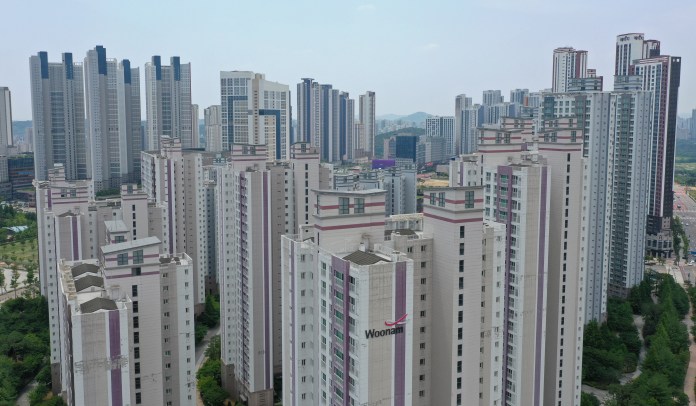
Falling in Love With Seoul Is Easy Finding a Home Isn’t
Unlike short-term tourists, international students, foreign professionals, and long-term residents have to face the reality of Seoul’s housing market.
Many foreigners describe the city as convenient, exciting, and safe, but say the search for an apartment often becomes their first major obstacle.
One of the biggest surprises is that the challenge isn’t limited to high prices. Korea’s rental system itself is unfamiliar to many people who have never encountered anything similar in their home countries.
The Jeonse System Comes as a Shock
Perhaps the biggest culture shock is jeonse, Korea’s unique lease system that requires tenants to provide a large refundable security deposit instead of paying high monthly rent.
While the deposit is returned when the lease ends, the amount can reach tens or even hundreds of thousands of dollars depending on the property.
For many foreigners, especially students, young professionals, or people relocating for work, raising that amount of money simply isn’t realistic.
As a result, many end up choosing monthly rentals instead, even though monthly housing costs in Seoul have continued to rise.
Rather than asking, “Which apartment do I like?” many newcomers find themselves asking, “Which apartment can I actually afford?”
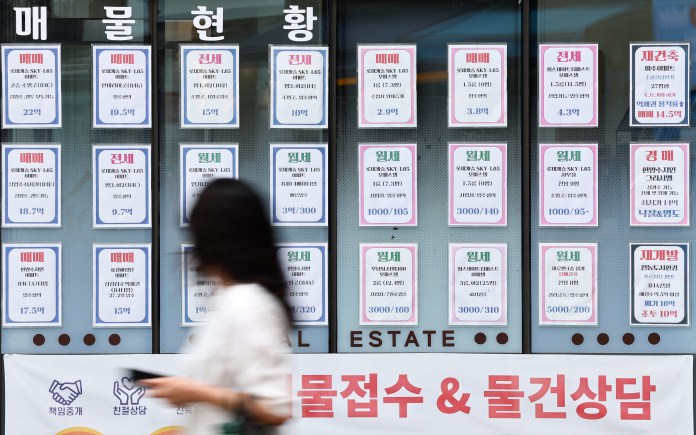
Housing Costs Change Long-Term Plans
For many foreigners, the issue goes beyond paying rent each month.
Housing plays a major role in deciding whether they can build a future in South Korea.
A stable apartment often determines whether someone feels comfortable accepting a job, renewing a visa, enrolling in graduate school, or planning to stay for several more years.
As housing costs increase, some foreigners begin questioning whether long-term life in Seoul is financially sustainable—even if they genuinely enjoy living in Korea.
Loving Korea Doesn’t Always Mean Staying
Interestingly, many foreigners don’t leave South Korea because they dislike the country.
Interviews and television programs featuring international residents often show people praising Korea’s transportation, healthcare, convenience, food, and overall quality of life.
Instead, practical concerns such as housing expenses, career opportunities, and overall living costs gradually influence their decisions.
Some foreigners compare Seoul with cities in neighboring countries, noting that while every major city has housing challenges, finding affordable long-term accommodation can feel more achievable elsewhere depending on income and rental systems.
For many, the decision isn’t about choosing a better country it is about choosing a place where long-term financial planning feels more realistic.
A Global City With a Growing Housing Challenge
There is no question that Seoul continues to attract people from around the world.
Its technology, public transportation, cultural influence, and fast-paced lifestyle have made it one of Asia’s most recognizable global cities.
Yet the experience of many foreign residents highlights an important difference between visiting a city and building a life there.
A city may be exciting enough to attract millions of tourists every year, but long-term residents often evaluate it through a different lens—one that includes rent, deposits, everyday expenses, and financial stability.
Seoul Is Still a Dream City But Dreams Need More Than Great Attractions
For many foreigners, Seoul remains one of the world’s most exciting places to live.
The city’s energy, safety, and cultural appeal continue to attract students, professionals, and travelers from across the globe.
However, as housing costs continue to rise, apartment hunting has become one of the biggest reality checks for those hoping to make Seoul their permanent home.
For many international residents, the biggest question is no longer “Do I want to live in Seoul?”
It’s “Can I realistically afford to stay?”
- HOT NEWS
- Vermon launches Vermon Group, accelerating its growth and expanding its offerings
- VEICHI Launches C&I Energy Storage and Microgrid Solutions
- Global OEMs Accelerate Shift to Universal EV Platforms as Next-Generation Electric Vehicle Market Enters Transformational Growth Phase
- SEVENTEEN’s Jeonghan & Joshua Launch Exciting New Sub-Unit
- HR Path Secures Near-$1 Billion Transaction Led by Ardian to Accelerate International Growth



허블 정보
Copyright © 2017 Huvle All Rights Reserved
admin@huvle.com