
How K-pop Fashion and Beauty Trends Are Taking Over Europe
K-pop has become much more than a music genre. For many fans in Europe, it is now a source of fashion inspiration, beauty ideas, and personal style. As Korean idols continue to gain global popularity, their influence has moved beyond music videos and concert stages. Fans are not only listening to the songs anymore. They are also watching the clothes, the makeup, the hairstyles, the accessories, and the way idols present themselves.
What makes K-pop fashion so powerful is that it treats style as part of the performance. Every comeback has a visual identity. One era may be soft and romantic, another may be futuristic, sporty, rebellious, elegant, or colorful. Fans do not just remember the song. They remember the outfits, the hair color, the makeup, the nails, the stage styling, and even the airport looks.
This is one reason K-pop fashion spreads so quickly. A full stage outfit may look too dramatic for everyday life, but fans often take small parts of it and adapt them. They may copy a layered skirt, a cropped jacket, a pair of platform shoes, a colorful cardigan, a ribbon detail, or a specific bag style. Some may not dress exactly like an idol, but they use K-pop as a reference for how to look more stylish, playful, and confident.
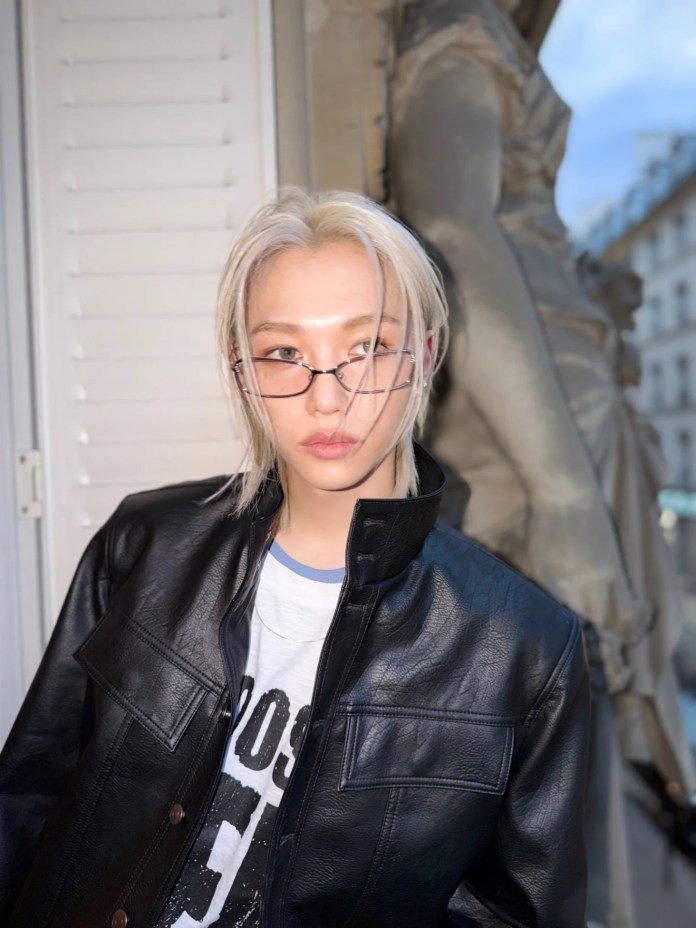
In Europe, this influence is becoming more visible among younger fans. Korean-inspired outfits are often built around oversized sweaters, pleated skirts, wide-leg jeans, cropped tops, statement jackets, platform shoes, and carefully chosen accessories. K-pop style can be cute, elegant, sporty, or edgy, but it almost always feels intentional. Even a casual look is usually styled with detail.
Accessories are a big part of this influence. Hair clips, ribbons, beanies, caps, mini bags, layered necklaces, earrings, and decorative phone cases have all become part of the K-pop-inspired look. Fans often notice that idols do not rely only on clothes to create an image. A small accessory can completely change the mood of an outfit. This has encouraged many European fans to experiment more with styling rather than simply wearing basic pieces.
Hair color is another area where K-pop has had a strong impact. Idols are known for changing their hair dramatically between comebacks. Red, blue, silver, pink, purple, orange, and platinum blonde hair are common in K-pop visuals. For many European fans, seeing idols confidently wear bold hair colors has made these choices feel more wearable and less extreme. What once looked like a daring change can now feel like a fun way to express personality.
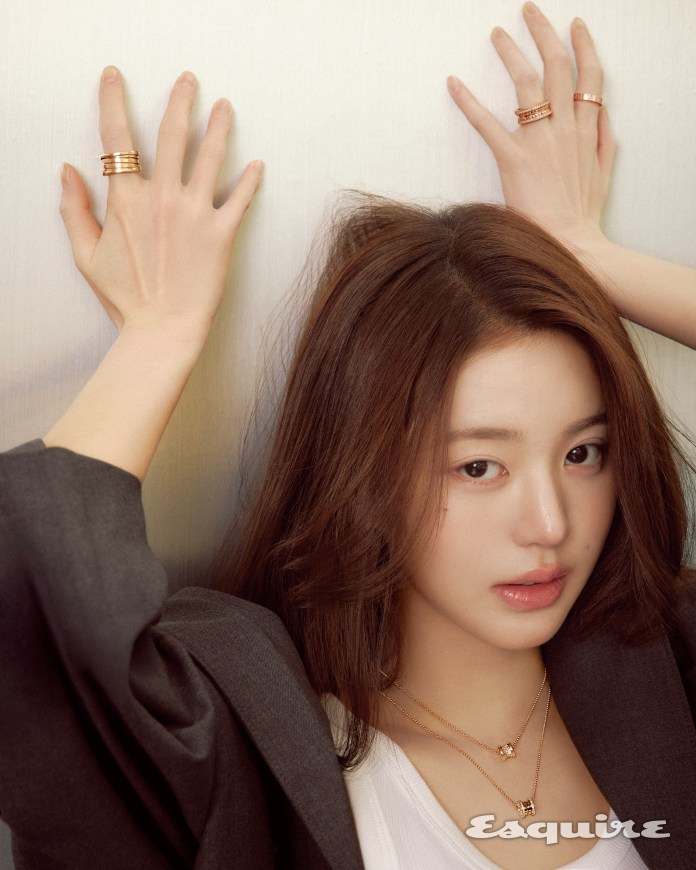
Beauty trends have also travelled with K-pop. Many fans try to recreate the clean, glowing makeup often seen on idols. The look is usually fresh rather than heavy, with smooth skin, soft blush, glossy lips, defined eyes, and subtle sparkle. Idols like Jang Wonyoung have influenced fans with a polished and feminine beauty style, often associated with bright skin, delicate eye makeup, and a doll-like finish.
Male idols have also changed how beauty is viewed by international fans. BTS’s Jimin, for example, has often been admired for his elegant stage makeup, soft yet striking visuals, and confident approach to beauty. For many fans, K-pop has helped make men’s makeup and skincare feel more normal. In Europe, more male fans have become interested in Korean skincare routines, including cleansing, toner, serum, moisturizer, and sunscreen.
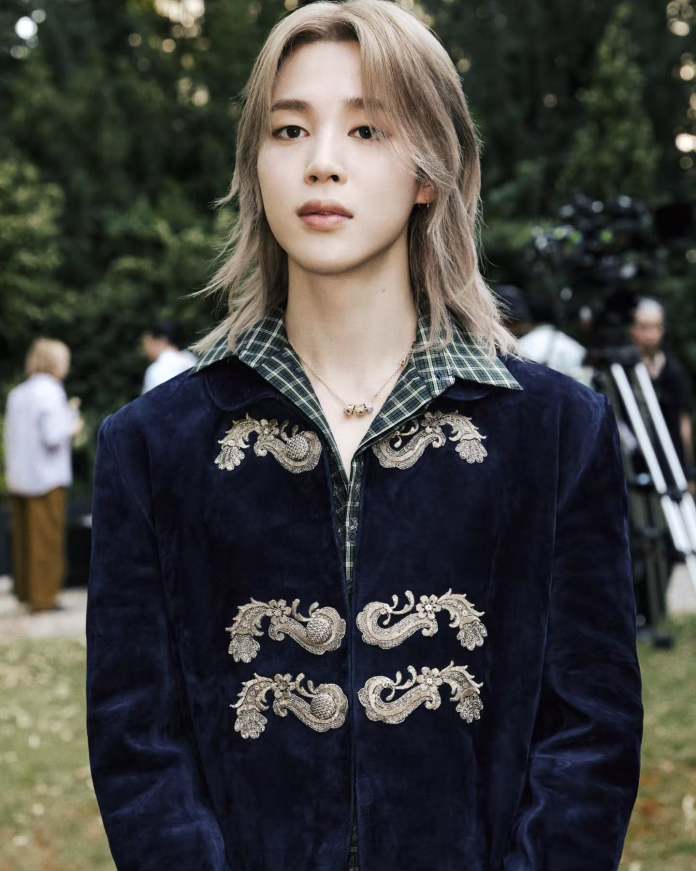
This is one of the biggest changes K-pop has encouraged. Beauty is no longer seen only as something for women. Korean idols have shown that skincare, makeup, and fashion can be part of self-expression for anyone. Male idols wearing foundation, lip tint, earrings, pearl details, soft blouses, or bold hair colors have helped challenge more traditional ideas of masculinity.
Luxury fashion brands have also noticed the power of K-pop. Idols are now regularly invited to fashion shows, campaign shoots, and brand events. This is not only because they are famous. K-pop idols bring a rare mix of visual impact, loyal fandom, and global online attention. A single outfit worn by an idol can be shared, analyzed, and recreated by fans around the world within hours.
Airport fashion is another important part of this trend. Unlike stage outfits, airport looks feel more realistic and easier to copy. Fans pay attention to how idols style coats, denim, sneakers, caps, designer bags, and simple basics. These outfits often become popular because they look polished but still comfortable. For many fans, airport fashion offers a guide to looking stylish in everyday life.
K-pop fashion is also appealing because it does not follow only one style. It can be colorful and cute, dark and dramatic, clean and minimal, or glamorous and expensive. This variety gives fans freedom. They do not have to copy everything. They can choose the part that fits them best.
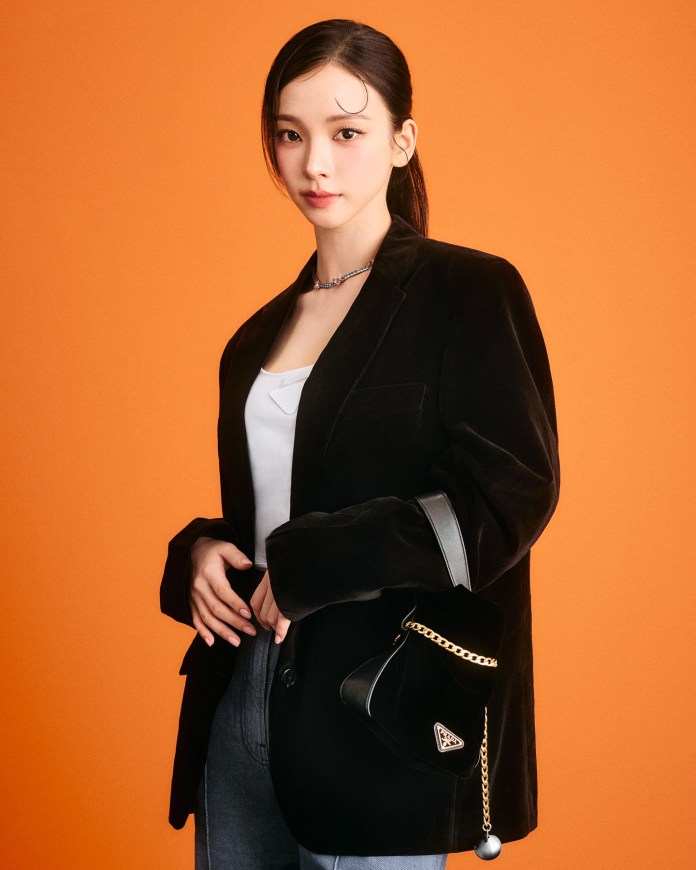
That is why K-pop fashion feels different from ordinary celebrity style. It is not just about admiring beautiful clothes from far away. It is participatory. Fans save looks, discuss them online, recreate them, and mix them with their own local fashion culture. A Korean stage outfit can become a European streetwear idea. A music video hairstyle can become someone’s next salon inspiration. An idol’s skincare routine can become part of a fan’s daily life.
For European fans, K-pop has made fashion and beauty feel more experimental. It encourages people to use color, accessories, makeup, and hair as tools for identity. It makes dressing up feel less serious and more playful. It also shows that beauty can be polished, expressive, and personal at the same time.
In the end, K-pop’s influence is not only about idols wearing expensive clothes or looking perfect on stage. Its real power comes from the way it turns style into a shared cultural language. Music, fashion, beauty, fandom, and social media all work together.
A song may introduce someone to K-pop, but the visuals often keep them watching.
And for many fans in Europe, the next step is clear.
They do not just want to listen like their favorite idols.
They want to dress, style, and express themselves with the same confidence.
- HOT NEWS
- CDNetworks' Latest WAAP Report Finds AI Is Industrializing Cyberattacks
- Easier Access to Korea's Leading Premium Outlets: Shinsegae Simon Expands Transportation and Services for International Visitors
- Cognizant and Domyn Announce Strategic Partnership to Deliver Sovereign AI Solutions Across EMEA
- Australia, Get Ready for Jet Set: Trip.com Slashes Flights, Hotels, and eSIMs in Major July Sale
- Markel appoints Grant Smith to Director of Marine Transportation



허블 정보
Copyright © 2017 Huvle All Rights Reserved
admin@huvle.com