
Why Foreigners Are So Surprised by Korea’s Obsession With “Sweet and Salty” Foods
If you ask first-time visitors what surprised them most about Korean food, many will probably mention the spice. But after a few days in South Korea, another flavor combination often leaves an even bigger impression: sweet and salty at the same time.
From street food and bakery items to convenience store snacks, many Korean dishes combine sugar, butter, cheese, honey, soy sauce, or corn in ways that feel unusual to people trying them for the first time. Known in Korean as “dan-jjan” (단짠) literally meaning “sweet and salty” this flavor combination has become one of the defining characteristics of modern Korean food culture.
For many foreign visitors, it starts as confusion. Then it quickly becomes a craving.
Korean Food Doesn’t Usually Choose Just One Flavor
In many Western cuisines, sweet and savory foods are usually kept separate. Desserts are sweet. Main dishes are salty.
Korean cuisine often blurs that line. Traditional Korean cooking has long balanced soy sauce with ingredients like sugar, rice syrup (jocheong), honey, or starch syrup to create layers of flavor rather than a single dominant taste.
In recent years, this approach has expanded beyond traditional recipes into snacks, café menus, and convenience store foods, making sweet-and-salty combinations one of Korea’s most recognizable food trends.
Honey Butter Chips Became More Than Just a Snack
One of the biggest symbols of Korea’s sweet-and-salty craze is Honey Butter Chips. When the snack launched in 2014, it unexpectedly became a nationwide phenomenon.
Its combination of crispy potato chips, buttery richness, honey sweetness, and a hint of salt created a flavor that many consumers had never experienced before.
The snack sold out across the country for months, purchase limits were introduced at some convenience stores, and the “Honey Butter” trend soon expanded into almonds, popcorn, crackers, and countless other products.
Today, Honey Butter Chips remain one of the most popular convenience store snacks recommended to tourists visiting South Korea.
Many travelers who try them out of curiosity end up packing several bags before flying home.

Tteokbokki Is Sweeter Than Many Visitors Expect
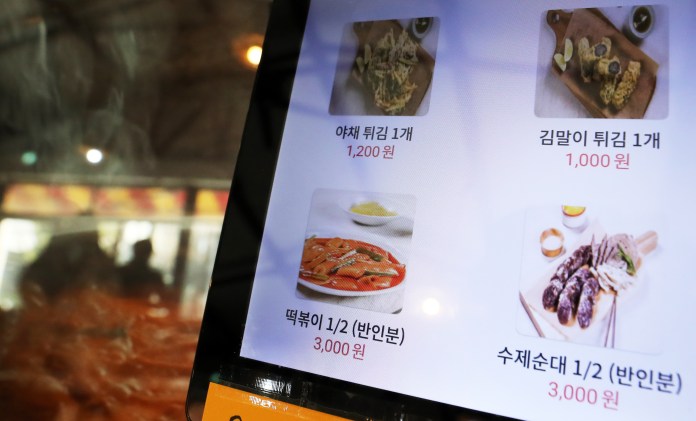
Foreign visitors are often surprised when they discover that tteokbokki isn’t simply spicy.
Although its bright red sauce looks fiery, most recipes include sugar, rice syrup, or corn syrup alongside gochujang to create a balanced flavor.
That sweetness softens the heat while making the sauce richer and more addictive.
Modern versions including cheese tteokbokki and rosé tteokbokki take this even further by adding creamy, salty ingredients that complement the sweetness.
It’s common to hear first-time visitors say, “I didn’t expect it to be sweet.” Yet many end up returning for another serving before leaving Korea.
Salt Bread Looks Simple—Until You Taste It
One bakery item that continues to surprise international tourists is salt bread (sogeum-ppang).At first glance, it appears to be nothing more than a bread roll topped with coarse salt.
The first bite tells a different story. Inside, generous amounts of butter create a rich flavor, while the bread itself develops a subtle natural sweetness during baking.
The contrast between buttery richness, crispy salt, and soft bread has helped salt bread become one of Korea’s most popular café items.
Visitors can now find long lines outside famous bakeries, with many tourists specifically searching for the country’s best salt bread.
Corn Cheese Is a Combination Many Never See Coming
Another dish that frequently surprises foreign diners is Korean corn cheese.
Served at barbecue restaurants, pubs, and casual eateries, it combines sweet corn with mayonnaise and melted mozzarella cheese.
To many first-time visitors, the idea sounds unusual.
After one bite, however, many understand why it has become a favorite side dish alongside grilled meat.
The creamy cheese enhances the sweetness of the corn while adding just enough saltiness to create Korea’s signature “dan-jjan” balance.
The dish has become so popular internationally that recipes for Korean Corn Cheese now regularly appear on YouTube, TikTok, and food blogs around the world.
From “That’s Strange” to “I Need Another Bite”
One reason Korean food has become so popular worldwide is its ability to combine multiple flavors in a single dish.
Rather than choosing between sweet or salty, Korean cuisine often layers sweetness, saltiness, spice, umami, and richness together.
For many foreigners, the first reaction is often:
“This combination shouldn’t work.”
By the end of their trip, however, many find themselves buying Honey Butter Chips at convenience stores, searching for salt bread cafés, ordering another plate of tteokbokki, or recreating corn cheese at home.
What once seemed like an unusual flavor pairing has become one of the most memorable and addictive parts of the Korean food experience.
- HOT NEWS
- Discovering Korea’s Unique Cleanliness Habits: A Foreigner’s Guide
- Chainguard Adds New Members to Athena Coalition as Coordinated Open Source Defense Scales
- IBM Launches Compact z17 and LinuxONE Systems to Address Data Center Space and Cost Constraints
- Action Energy and Kellton Form Strategic JV to Accelerate AI-Led Digital Transformation Across the GCC Energy Sector
- GasHub Completes LNG Facility for Rolls-Royce Seletar Campus and Commences LNG Supply and Operations



허블 정보
Copyright © 2017 Huvle All Rights Reserved
admin@huvle.com