
“I Lost Weight Without Dieting”: 3 Everyday Korean Habits Foreigners Notice After Moving to Korea
Some foreigners arrive in South Korea expecting to gain weight.
After all, the country is filled with late-night restaurants, convenience-store snacks, fried chicken, trendy desserts, and cafés on almost every street. Yet after several months, some international residents report an unexpected change: they are walking more, eating a wider variety of foods, and sometimes losing weight without deliberately starting a diet.
The reason may not be a secret Korean weight-loss method.
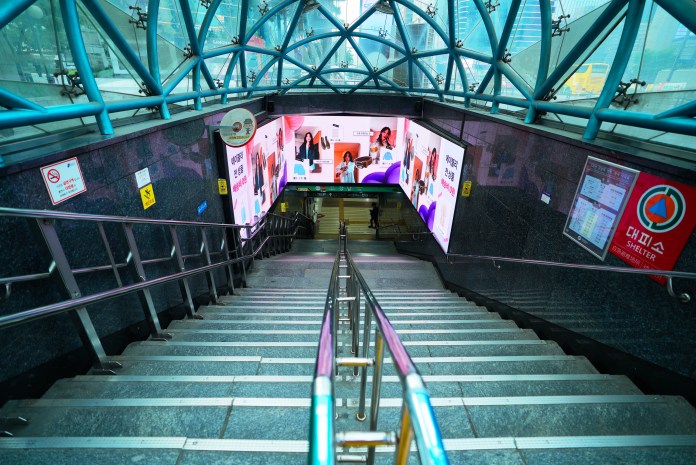
Instead, moving to Korea can change many small parts of a person’s daily routine. A commute may involve walking to a subway station, climbing several flights of stairs, and transferring between train lines. A traditional Korean meal may include several vegetable side dishes rather than one large main course. Exercise, hiking, running, and conversations about self-care may also become more visible in everyday life.
Of course, not everyone loses weight after moving to Korea, and not every Korean is slim. South Korea has also experienced rising obesity and sedentary behavior in recent years, meaning the reality is far more complicated than the image often presented through K-pop or Korean dramas.
Still, these three lifestyle differences are frequently noticed by foreigners adjusting to life in Korea.
1. Daily Life Can Involve Much More Walking Than Expected
For many newcomers, one of the biggest changes begins before they even arrive at work or university.
In cities such as Seoul, public transportation makes it possible to live without owning a car. However, taking the subway or bus rarely means sitting for the entire journey.
Commuters walk from home to the station, move through long underground passages, climb stairs, transfer between subway lines, stand on crowded trains, and walk again after reaching their destination. A trip that appears simple on a map can quietly add thousands of steps to the day.
Foreigners arriving from car-dependent cities may notice the difference almost immediately. Someone who previously drove directly from home to work may suddenly be walking to restaurants, cafés, convenience stores, subway stations, and bus stops several times a day.
Research on public transportation has found that transit use naturally includes physical activities such as walking and standing, which can increase everyday energy expenditure even when a person is not intentionally exercising.
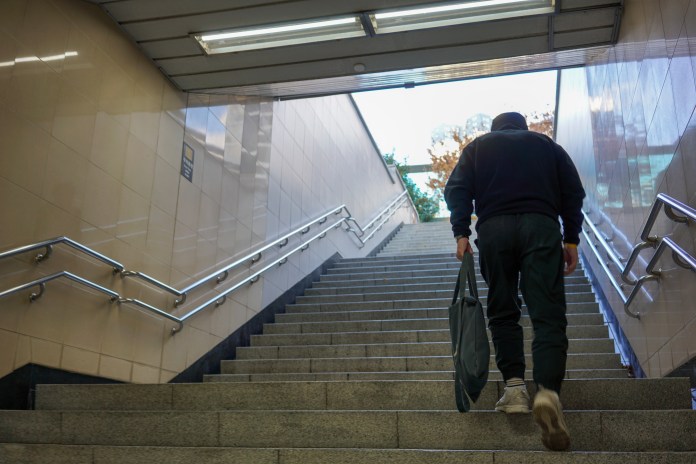
Seoul’s urban environment can also encourage walking because residential areas, restaurants, shops, public transportation, and other daily destinations are often located relatively close together. Research examining Seoul has found that mixed-use urban areas can support greater pedestrian activity.
This does not mean that taking the subway automatically causes weight loss. However, a more active commute can increase what researchers call non-exercise activity—the energy used through ordinary movements outside planned workouts.
For some foreigners, the biggest lifestyle change in Korea is not joining a gym. It is realizing that they now walk almost everywhere.
2. A Table Full of Side Dishes Can Offer More Variety Than Expected
A traditional Korean meal can look surprisingly large to someone experiencing it for the first time.
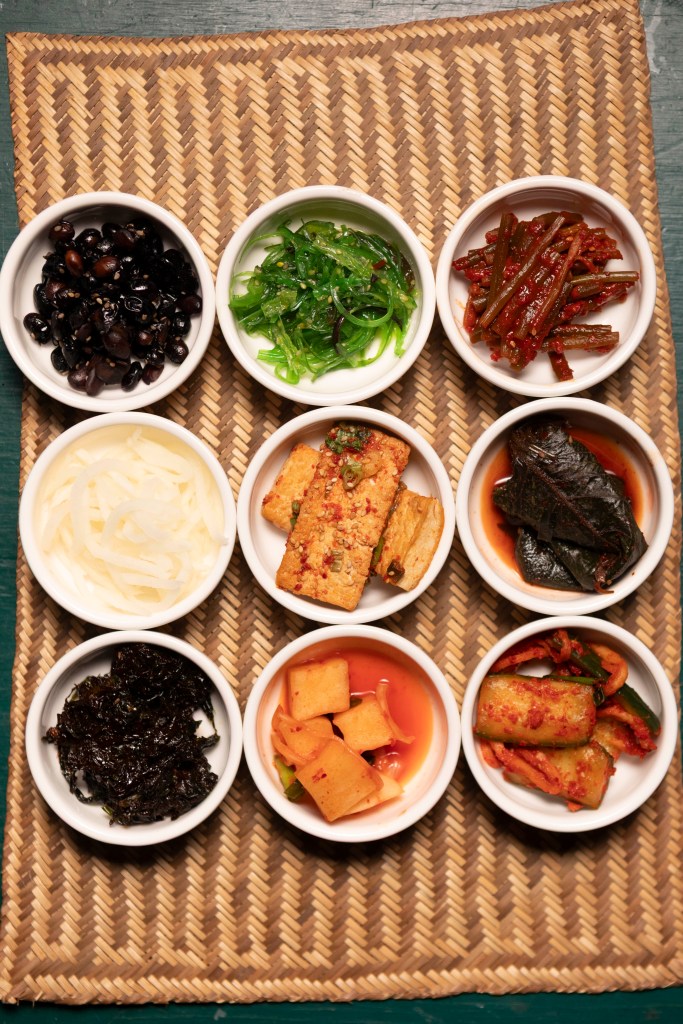
Rice, soup, kimchi, vegetables, protein dishes, and several small side dishes may cover the table. Yet instead of one oversized main dish, the meal is often divided among many smaller portions that offer different flavors and ingredients.
Vegetable-based side dishes, known as banchan, may include seasoned spinach, bean sprouts, radish, mushrooms, seaweed, cucumber, or other vegetables. Fermented foods such as kimchi are also commonly served alongside meals.
Research describing traditional Korean dietary patterns has highlighted several potentially beneficial characteristics, including a wide variety of foods, abundant vegetables, fermented ingredients, and a balance between plant- and animal-based foods.
For foreigners accustomed to meals centered on one large serving of meat, pasta, fried food, or bread, the variety can feel different. Some say they eat many flavors during a Korean meal without feeling as if they consumed one extremely heavy dish.
However, Korean food should not automatically be described as low-calorie or ideal for weight loss. Some dishes contain large amounts of sodium, sugar, refined carbohydrates, oil, or processed ingredients, while restaurant portions and eating habits vary widely.
The difference many foreigners notice is not that every Korean meal is “healthy.” It is that traditional meals can make vegetables, soup, fermented foods, and multiple small side dishes feel like ordinary parts of lunch or dinner rather than special diet foods.
3. Exercise and “Self-Management” Are Highly Visible in Everyday Life
Another cultural difference foreigners often mention is the visibility of jagigwanri—a Korean term generally referring to self-management or taking care of oneself.
Conversations about exercise, nutrition, skincare, sleep, body condition, and personal routines are common in Korean media and everyday life. Going to the gym, attending Pilates classes, hiking on weekends, joining a running group, or tracking health goals may be discussed as regular lifestyle habits rather than temporary projects.
Korea’s hiking culture is especially visible. Mountains and walking trails are easily accessible from many cities, allowing people to exercise without traveling far. More recently, running clubs, fitness challenges, and social exercise communities have also become popular ways for people to combine physical activity with social life.
For some foreigners, living in an environment where coworkers discuss Pilates classes or friends plan weekend hikes can create more opportunities—and sometimes more motivation—to become active.
However, Korea’s self-management culture also has a complicated side.
Frequent conversations about dieting and appearance can create pressure, particularly when slim bodies are treated as the expected standard. Exercise can support physical and mental well-being, but body size alone does not indicate health, discipline, or personal value.
The healthiest part of this culture may not be the pressure to look a certain way. It may be the idea that small, consistent habits—walking, moving regularly, finding enjoyable exercise, and paying attention to daily routines can become part of ordinary life.
The Difference May Be the Routine, Not a Special Korean Diet
When foreigners say they lost weight after moving to Korea, there is rarely one explanation.
Their eating habits may have changed. They may walk more because they use public transportation. They may eat a greater variety of vegetables through Korean meals or become more active after joining a gym, hiking group, or running club.
At the same time, some foreigners gain weight after discovering Korean fried chicken, delivery food, convenience-store meals, sweet drinks, and late-night dining. Individual experiences differ, and weight changes cannot be explained by nationality alone.
The idea that every Korean is naturally slim is also inaccurate. Research has documented increases in obesity and sedentary behavior among Korean adults, showing that Korea faces many of the same health challenges as other developed societies.
Still, life in Korea can change the structure of an ordinary day.
A person may walk farther without planning a workout, encounter vegetables and fermented foods at everyday meals, and live in a culture where exercise and self-care are highly visible.
For some foreign residents, those small changes add up.
The biggest surprise may not be discovering a secret Korean diet. It may be realizing how much everyday surroundings can influence the way people move, eat, and take care of themselves.
- HOT NEWS
- CSTS Launches Generation C Foundation Training Academy in China
- Eddid Financial Announces Brand Upgrade
- PhilWeb secures exclusive partnership with Pragmatic Play, expanding tech-enabled gaming services in the PH
- Discovering Korea’s Unique Cleanliness Habits: A Foreigner’s Guide
- Agoda and Taiwan Tourism Administration Launch Destination Marketing Campaign to Inspire a New Wave of Travel


허블 정보
Copyright © 2017 Huvle All Rights Reserved
admin@huvle.com