
Explore the Top 3 Royal Palaces in Seoul for First Timers
Seoul has five major royal palaces from the Joseon Dynasty, but if someone is visiting the city for the first time, three places give the clearest introduction to Korea’s royal history, architecture, and travel atmosphere: Gyeongbokgung Palace, Changdeokgung Palace, and Deoksugung Palace.
Each palace offers a different side of Seoul. One is grand and symbolic, one is quiet and deeply connected to nature, and one stands in the middle of the modern city. Together, they explain why Seoul is not only a city of K-pop, cafés, and skyscrapers, but also one of Asia’s most accessible historic capitals.
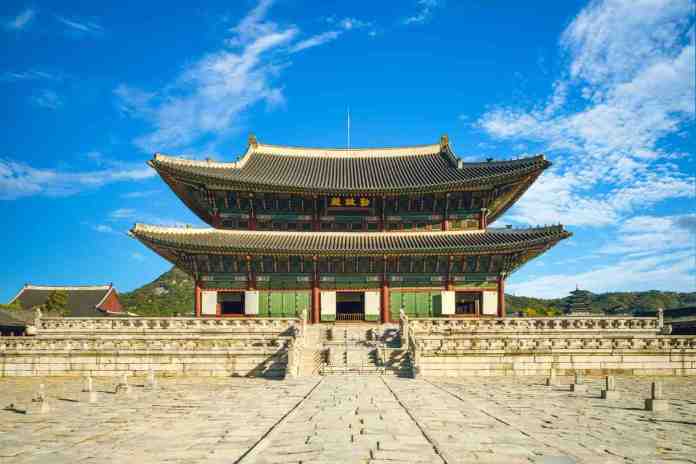
Gyeongbokgung Palace: The first palace most travelers should visit
Gyeongbokgung Palace is usually the best starting point for first-time visitors because it was the main royal palace of the Joseon Dynasty and remains the largest of Seoul’s five grand palaces. The palace was first built in 1395, shortly after the founding of Joseon, and its scale makes it one of the most iconic historical sites in Korea.
For tourists, Gyeongbokgung is also one of the easiest palaces to understand visually. The large gates, wide courtyards, throne hall, ponds, and mountain backdrop create the kind of scene many people imagine before visiting Korea. It is also one of the most popular places to wear hanbok, take photos, and watch the royal guard changing ceremony.
Another advantage is location. Gyeongbokgung sits near Gwanghwamun Square, Bukchon Hanok Village, the National Folk Museum of Korea, and many hanbok rental shops, so visitors can easily build a half-day Seoul itinerary around it.
Changdeokgung Palace: The palace for people who love nature and atmosphere
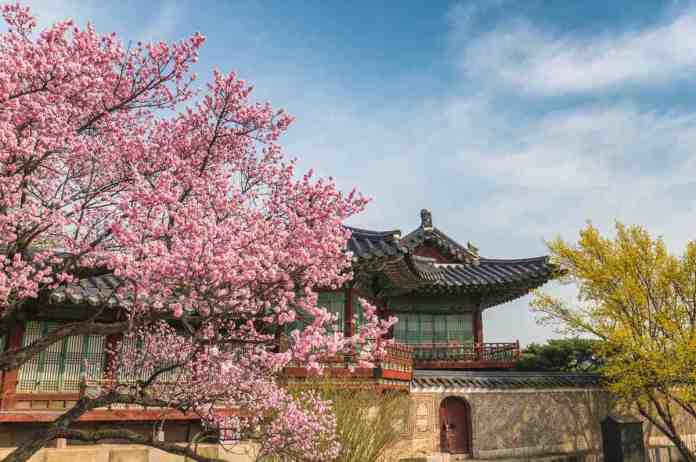
Changdeokgung Palace is the best choice for travelers who want something quieter and more atmospheric. Built in the early Joseon period, it later became the principal palace for many kings and is known as the most well-preserved of the five remaining royal Joseon palaces.
What makes Changdeokgung special is how naturally the buildings fit into the surrounding landscape. Unlike palaces designed around strict symmetry, Changdeokgung follows the shape of the land, which is one reason it was listed as a UNESCO World Heritage Site. UNESCO describes the palace complex as a 15th-century Joseon site in Jongno-gu, Seoul, and highlights its architectural and garden value.
The most famous part is the Secret Garden, also known as Huwon. It includes ponds, pavilions, old trees, and walking paths that show a softer and more intimate side of royal life. For first-time visitors who want beautiful photos without only seeing the busiest tourist spots, Changdeokgung is often the palace that leaves the strongest impression.
Deoksugung Palace: The palace where old Seoul meets the modern city
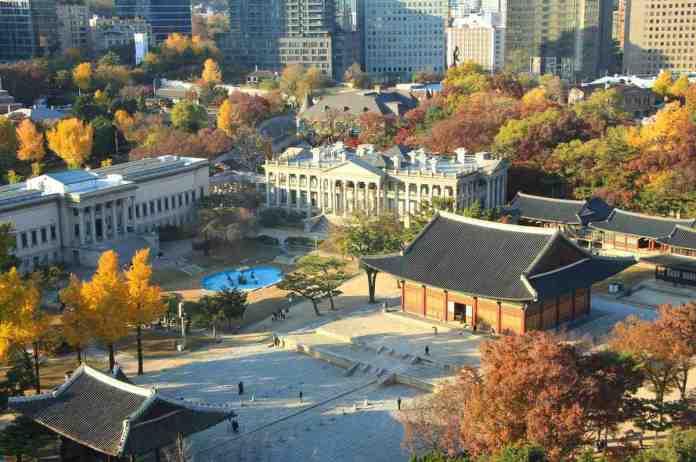
Deoksugung Palace is different from Gyeongbokgung and Changdeokgung because it is surrounded by office buildings, busy streets, and modern Seoul. That contrast is exactly why it is worth visiting.
Located near City Hall, Deoksugung is easier to fit into a short schedule than some larger palace routes. Visitors can walk along its famous stone-wall road, explore the palace grounds, and see how royal architecture exists beside the modern city center. For travelers who only have limited time in Seoul, Deoksugung is one of the most convenient historic sites to visit.
It also offers a different mood. While Gyeongbokgung feels grand and Changdeokgung feels natural, Deoksugung feels urban, calm, and slightly nostalgic. This makes it especially good for visitors who want a palace experience without spending several hours walking through a huge complex.
Why these three palaces are the best first choices
Gyeongbokgung, Changdeokgung, and Deoksugung work well together because they show three different versions of Seoul’s royal history. Gyeongbokgung gives visitors the classic image of a royal palace, Changdeokgung shows Korea’s harmony between architecture and nature, and Deoksugung connects traditional Seoul with the modern city.
International tourists can also join free guided tours at several major royal sites, including Gyeongbokgung, Changdeokgung, Deoksugung, and Changgyeonggung, which makes the experience easier for visitors who want more historical context.
For a first trip to Seoul, visiting all five palaces may feel overwhelming. But these three offer the most balanced introduction: history, beauty, convenience, and atmosphere in one itinerary.
- HOT NEWS
- Australia-Nepal conservation partnership strengthened through new leadership appointment
- Chongqing Summit Seeks to Bridge Capital and Industry as City Accelerates Economic Transformation
- WPS Brings 'Enterprise Brain' to Asia Pacific -- One Workflow at a Time
- Quantifind Named a Celent Luminary for Adverse Media Screening Technology
- Woven Woven Redefines Children's Sleep Wellness with Innovative Bead-Free Weighted Blankets



허블 정보
Copyright © 2017 Huvle All Rights Reserved
admin@huvle.com