
Exploring the Vibrant Café Culture of South Korea
For many first-time visitors to South Korea, one of the biggest cultural surprises is not found inside a palace, a K-pop concert venue, or a traditional market.
It is found inside a café. Coffee is popular around the world, but cafés in Korea often serve a much broader purpose. They are places to meet friends, study for exams, work on laptops, go on dates, take photos, discover seasonal desserts, and experience the latest trends.
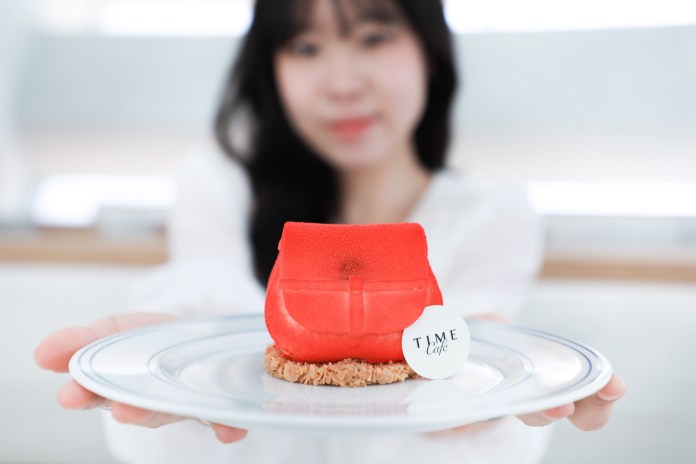
A visitor may enter a café expecting a simple latte and find strawberry drinks available only for spring, a character collaboration, limited-edition merchandise, an elaborate photo zone, and desserts designed specifically for social media.
Then, a few weeks later, the menu and decorations may look completely different.
This constant change is one reason many international visitors describe Korean café culture as an experience rather than simply a way to drink coffee.
There Seems to Be a Café on Every Street
One of the first things foreign visitors notice is the number of cafés.
In busy neighborhoods such as Gangnam, Seongsu, Hongdae, and Yeonnam-dong, several cafés may operate within the same block. In some buildings, visitors can even find different coffee shops on multiple floors.
Large international and Korean coffee chains exist alongside independent specialty coffee shops, small neighborhood cafés, dessert cafés, bakery cafés, and highly themed spaces. The variety means that customers are rarely choosing only between different coffee brands. They are also choosing an atmosphere.
One café may be designed for quiet studying, while another is known for large pastries. Some attract visitors with rooftop views, traditional architecture, unusual desserts, or carefully designed interiors.
This level of competition also encourages cafés to change quickly. A popular drink, dessert, interior style, or character collaboration can spread across social media and inspire new versions throughout the industry.
For tourists, this makes café hopping feel like a separate travel activity rather than a short break between sightseeing destinations.
Seasonal Menus Make Every Visit Feel Different
Another feature that surprises international visitors is how frequently café menus change.
In many countries, the main menu remains relatively stable throughout the year. Customers may see a few holiday drinks or a limited summer menu, but familiar coffee options usually remain the main focus.
Korean cafés also serve classic drinks such as Americanos, lattes, and cappuccinos. However, seasonal beverages and desserts often receive just as much attention.
Spring may bring strawberry lattes, strawberry cakes, and pink-colored desserts. During summer, cafés introduce mango drinks, fruit ades, shaved ice desserts known as bingsu, and refreshing seasonal beverages.
Autumn menus frequently feature sweet potatoes, chestnuts, figs, pumpkins, or black sesame, while winter brings warm drinks, Christmas desserts, and limited holiday collections.
The speed of these changes can make returning to the same café feel like visiting a new place.
For foreign residents, it can also create a sense of urgency. A favorite seasonal drink may disappear after only a few weeks, encouraging customers to try it—and post about it—before the next menu arrives.
Some Korean Cafés Feel More Like Pop-Up Stores
The experience does not always end after ordering a drink.
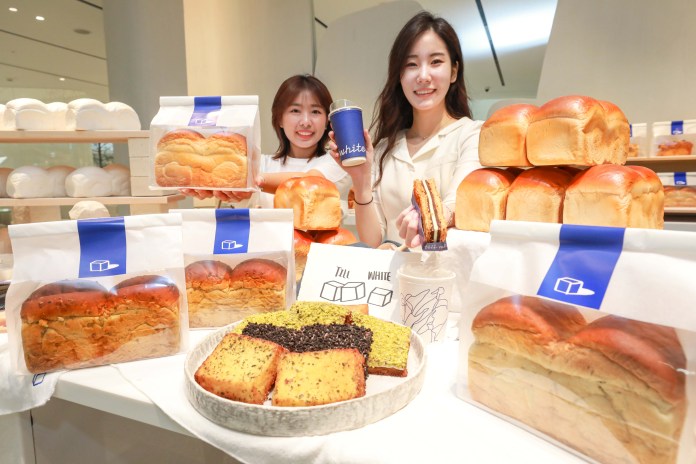
Korean café chains and independent businesses frequently introduce limited-edition merchandise, character collaborations, seasonal decorations, collectible items, and themed photo areas.
A customer may enter to buy coffee and leave with a tumbler, keychain, reusable cup, character figure, or limited-edition product.
Collaborations involving popular animation characters, entertainment franchises, artists, and K-pop-related content can temporarily transform an ordinary café into a themed experience. Drinks may receive special packaging, desserts may be designed around characters, and visitors may receive collectible items with selected purchases.
This creates a sense of novelty that resembles Korea’s popular pop-up-store culture.
The café becomes a place where people can eat, shop, take photos, and participate in a temporary event at the same time.
For international tourists, the combination can be unexpected. A coffee shop may feel less like a permanent business with a fixed identity and more like a cultural space that regularly updates itself.
In Some Cafés, the Interior Is More Famous Than the Coffee
For many visitors, choosing a café in Seoul begins with the location and design rather than the menu.
Seongsu is known for large cafés built inside renovated industrial spaces and former factories. Ikseon-dong attracts visitors with cafés located inside traditional Korean houses, while Yeonnam-dong is associated with smaller independent cafés, creative interiors, and neighborhood atmosphere.
Other cafés are designed to resemble art galleries, gardens, libraries, traditional homes, or exhibition spaces.
Some customers travel across the city specifically to see a building, photograph a dessert, or experience a particular interior concept. This has helped turn “café tours” into a popular part of travel in Korea.
Social media has strengthened the trend. A visually distinctive staircase, rooftop, garden, window view, or dessert display can become the main reason people discover a café.
In this environment, coffee quality remains important, but it is only one part of the experience. Architecture, lighting, music, furniture, packaging, and presentation can all influence whether customers decide a café is worth visiting.
Cafés Are Used for Almost Every Part of Daily Life
The popularity of cafés becomes easier to understand after spending more time in Korea.
People meet friends at cafés after lunch. Couples visit cafés after dinner. Students study there for hours, while remote workers use them as temporary workspaces. Some people visit alone to read, use a laptop, or simply spend time outside the house.
In a city where many people live in relatively compact homes, cafés can also function as comfortable shared spaces between work, school, and home.
A restaurant may expect customers to leave after finishing a meal, but a café offers a place to continue a conversation. This is why going for coffee often becomes a natural second part of meeting someone in Korea.
The phrase “Shall we go to a café?” does not always mean that someone urgently wants coffee. It can simply mean, “Let’s sit somewhere comfortable and spend more time together.”
- HOT NEWS
- Puncture Robotic Showcases AI-Powered Hair Restoration Innovation at WCHR 2026
- INCUBASE Studio Accelerates Collectible Entertainment with GochaGocha's 23-Location Asia Debut of a New Photo Card Experience
- Why Foreigners Laugh at Korean English Brand Names Like Mom’s Touch and A Twosome Place
- Agoda and Taiwan Tourism Administration Launch Destination Marketing Campaign to Inspire a New Wave of Travel
- REST'S EVERCOOL® COOLING+ SHEET SET SELECTED AS 2026 RED DOT DESIGN AWARD WINNER


허블 정보
Copyright © 2017 Huvle All Rights Reserved
admin@huvle.com