
Why Foreigners Are Shocked When They First Enter a Korean Apartment
For many foreigners, the first surprise in Korea does not happen at a palace, subway station, or street food market. It happens at the front door of an apartment.
Korean apartments can feel very different from homes abroad. From the moment someone enters, it is easy to notice how much convenience and technology are built into everyday living. For foreigners who are used to traditional keys, separate heating systems, wide bathrooms, and different window styles, a Korean apartment can feel both impressive and confusing at the same time.
No Keys? The Door Opens With a Code
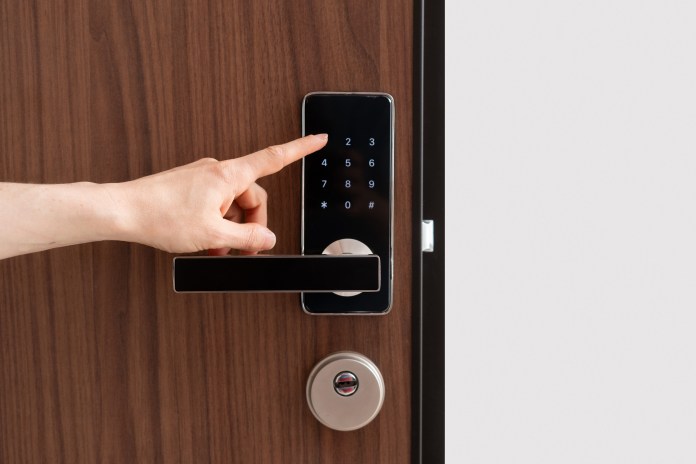
One of the first things many foreigners notice is the front door.
In many countries, apartment doors still use regular keys. People carry them in their pockets, leave spares with family members, or worry about losing them. But in Korea, many apartments use digital door locks with a passcode.
To Koreans, entering a code at the door is completely normal. But for foreigners seeing it for the first time, it can feel surprisingly futuristic.
There is no need to carry keys, no need to search through a bag, and no panic if you forget your key inside. Some doors also include card access or fingerprint functions, making the home feel even more high-tech.
For foreigners, this small detail often becomes the first sign that Korean apartments are built around convenience.
Floor Heating Feels Like a Luxury
Another feature that surprises foreigners is ondol, Korea’s floor heating system.
In many countries, homes are heated by radiators, wall heaters, or central air systems. The floor itself usually stays cold, especially in winter. But in Korea, heat comes from below, warming the entire floor.
For foreigners experiencing it for the first time, this can feel amazing. Walking barefoot on a warm floor during winter feels cozy and almost luxurious. It also explains why many Koreans are comfortable sitting, eating, relaxing, or even sleeping on the floor. The floor is not just part of the room. In Korea, it can become a warm living space.
Air Conditioning Is Also Built Into Daily Life
Korean apartments are also often equipped with air conditioning, which becomes essential during the hot and humid summer.
Foreigners from countries where air conditioning is less common may be surprised by how necessary it feels in Korea. Summer in Korea can be extremely humid, and opening a window is often not enough.
Together, floor heating and air conditioning show how Korean homes are designed for two very different seasons: freezing winters and sticky summers.
The apartment is not just a place to live. It is built to help residents survive Korea’s extreme weather changes.
The Bathroom Can Be the Biggest Culture Shock
While many parts of Korean apartments feel convenient, the bathroom can be confusing for foreigners.
In many Western countries, bathrooms usually have a separate shower cabin, bathtub, or glass divider. The shower area is clearly separated from the toilet and sink.
But in many Korean apartments, the shower is connected near the sink, and there may be no separate shower booth or bathtub. When someone showers, water can splash across much of the bathroom floor.
For Koreans, this is normal. The bathroom is designed as a wet room, with a drain in the floor so water can flow away easily. For foreigners, however, it can feel strange at first. They may wonder, “Why is the whole bathroom wet?” or “How am I supposed to keep my socks dry?”
It may take time to get used to, but there is a practical side. A wet-room bathroom can be easier to clean because the whole floor can be rinsed down. Still, for many foreigners, the Korean bathroom remains one of the most unexpected parts of apartment life.
Korean Windows Open Sideways
Another small detail that feels different is the window.
In many countries, windows open outward, inward, or tilt from the top. In Korea, apartment windows often slide left and right.
This sliding style is practical for apartment buildings because it saves space and works well with large glass windows. It also makes it easier to install screens that keep mosquitoes and insects out during summer.
Foreigners may not think much about windows before moving to Korea, but once they live in a Korean apartment, the difference becomes obvious.
Even simple things like opening a window can feel unfamiliar.
Some Koreans Still Sleep on the Floor
One of the most interesting cultural differences is sleeping style.
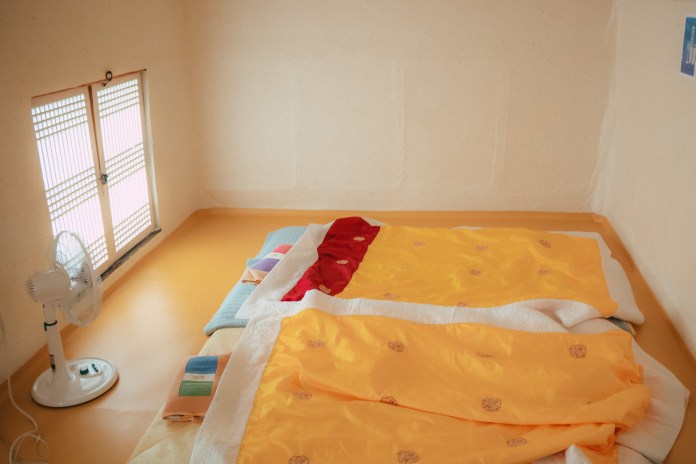
In many countries, a bed is considered a basic part of a bedroom. But in Korea, some people still sleep on the floor using a mattress pad or bedding that can be folded and stored during the day.
This can surprise foreigners who assume every bedroom must have a bed.
But when you understand ondol, it makes more sense. Since the floor can be warm and clean, sleeping on it is not uncomfortable for many people. It also saves space, especially in smaller homes.
This habit is connected to Korea’s long floor-based living culture. Sitting on the floor, eating at low tables, and sleeping on floor bedding all come from a lifestyle where the heated floor was the center of the home.
Korean Apartments Are Practical, Not Just Modern
What makes Korean apartments interesting is that they are not only high-tech. They are also deeply practical.
The digital door lock solves the problem of keys. Floor heating makes winter more comfortable. Air conditioning handles the summer humidity. Sliding windows save space. Wet bathrooms make cleaning simple. Floor sleeping reflects a culture built around warm indoor floors.
To foreigners, some of these features may feel advanced, while others may feel unusual. But together, they show how Korean homes are designed for Korean daily life.
Why Foreigners Remember Their First Korean Apartment
For many foreigners, the first Korean apartment becomes a cultural experience of its own.
At first, they may be impressed by the door lock and floor heating. Then they may be confused by the bathroom. Later, they may start appreciating the convenience of a wet room, sliding windows, and warm floors.
That is what makes Korean apartments so memorable.
They are familiar enough to live in, but different enough to make foreigners notice small details they never thought about before.
In the end, Korean apartments show one of the most interesting sides of life in Korea: a mix of technology, practicality, tradition, and everyday comfort.
For foreigners, stepping inside a Korean apartment is not just entering a home. It is entering a different way of living.
- HOT NEWS
- Agoda and Taiwan Tourism Administration Launch Destination Marketing Campaign to Inspire a New Wave of Travel
- TCL Solar Set to Transform Southeast Asia's Solar Landscape with High-Efficiency BC Innovation
- Autoliv and XPENG Partner to Advance Safer Mobility Worldwide
- Jensen Hughes Expands Southeast Asia Presence with Acquisition of HiLT
- Global Care Economy Set to Create Significant Growth Opportunities as Care-Dependent Population Reaches up to 4.6 Billion by 2035



허블 정보
Copyright © 2017 Huvle All Rights Reserved
admin@huvle.com