
Why Foreigners Are Surprised by Korea’s Club Culture: Same Word, Different Meaning
When foreigners say they like going to clubs, they may think they are simply talking about music, dancing, and going out with friends. But in Korea, that sentence can sometimes receive a very different reaction.
For many foreigners, clubbing is a normal part of nightlife. It can mean meeting friends, listening to loud music, dancing until late, and enjoying the weekend. Of course, clubs in Europe are not always perfectly safe or innocent. People still need to be careful, especially around strangers, alcohol, and late-night situations.
But in many European cities, saying “I like going to clubs” does not automatically sound suspicious. It can simply mean someone enjoys nightlife. In Korea, however, the same sentence can carry a different feeling.
Abroad Clubs Are Often Seen as Dance Spaces
In many parts of Europe, clubs are strongly connected to music culture.
People go for DJs, dancing, parties, birthdays, or casual nights out with friends. Some people may go to meet someone, but that is not always seen as the main reason.
For many foreigners, a club is first a place to move, drink, laugh, and enjoy the atmosphere. The focus is often on the music and group experience. That is why some foreigners are surprised when Korean friends react cautiously to clubbing. What they thought was a simple hobby may be interpreted as something more complicated.
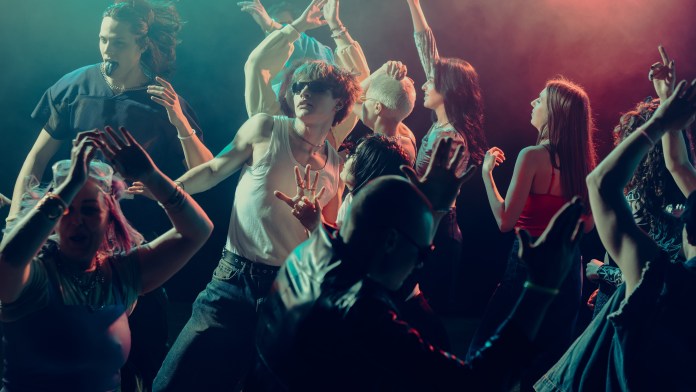
In Korea, “Going Clubbing” Can Sound Different
In Korea, clubs can be viewed with more caution.
For some people, a club is not only a place for dancing. It can also be associated with hunting, flirting, hookups, drinking heavily, or risky situations. Because of that, saying “I like clubs” may not sound as neutral as foreigners expect.
Instead of hearing “I like music and dancing,” some Korean listeners may hear, “I like places where people go to meet strangers.”
This does not mean every Korean thinks negatively about clubs. Many people go clubbing simply to have fun. But the general image of clubs can be more sensitive compared to some European settings.
That difference explains why Korean friends may respond with “Be careful” before saying “Have fun.”
The Atmosphere Can Feel Different
Foreigners who visit clubs in Korea often notice that the basic elements are familiar. There is music, dancing, lights, drinks, and people having fun.
But the atmosphere can still feel different.
Abroad, the club may feel more like a shared dance floor where people gather mainly for music and social energy. In Korea, some foreigners feel that the space can sometimes carry a stronger sense of social intention. People may be more aware of who is approaching whom, who came with whom, and what someone’s purpose might be.
This makes the experience feel less casual to some foreigners.
Again, this does not mean Korean clubs are bad. It simply means the social meaning attached to the space may be different.
The Bigger Shock May Be Outside the Club
For many foreigners, the most surprising part of Korean nightlife is not always inside the club. It is outside, on the street.
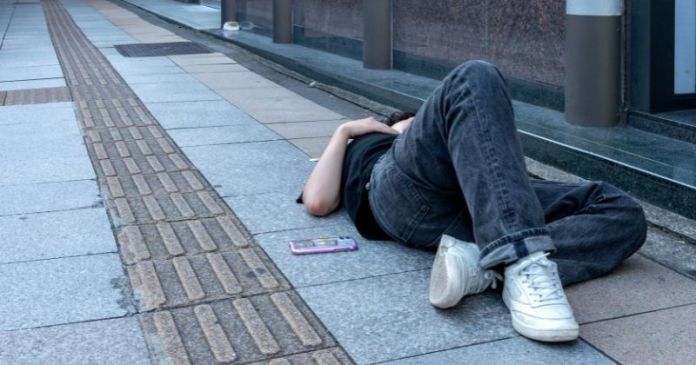
In busy nightlife areas, it is common to see people who are extremely drunk late at night. Some may be sitting on the sidewalk, leaning against walls, sleeping near convenience stores, or struggling to walk home.
Foreigners from Europe may also be used to drunk people in nightlife districts. But depending on where they come from, seeing so many people visibly exhausted or passed out in public can feel shocking.
This becomes even more surprising because Korea is often described as a safe country. The contrast is striking: a country where people feel safe walking late at night, but where the drinking culture can appear intense.
Alcohol Plays a Big Role in Korean Nightlife
One reason Korean nightlife feels different is the role of alcohol.
Drinking is a major part of many social situations in Korea, from company dinners to friend gatherings and late-night outings. Soju, beer, cocktails, and drinking games often become part of the night before people even reach a club.
By the time some groups arrive in nightlife areas, alcohol has already shaped the mood.
For foreigners, this can feel intense. In some cultures, drinking is part of nightlife, but in Korea it can feel more deeply connected to social bonding, group energy, and letting go after work or study.
That may be why Korean nightlife sometimes appears more extreme to outsiders.
Safety Still Matters Everywhere
It would be unfair to say Korean club culture is simply dangerous or negative.
Europe has its own nightlife risks. Clubs anywhere in the world can involve unsafe situations, unwanted attention, excessive drinking, or unexpected problems. No country’s nightlife is completely free from danger.
The difference is more about perception.
In many European settings, clubs may be seen first as entertainment spaces. In Korea, they may carry stronger associations with dating, flirting, alcohol, and caution.
So when a Korean friend reacts strongly to someone saying they enjoy clubbing, it may come from a different social understanding of what clubs represent.
What Club Culture Reveals About Society
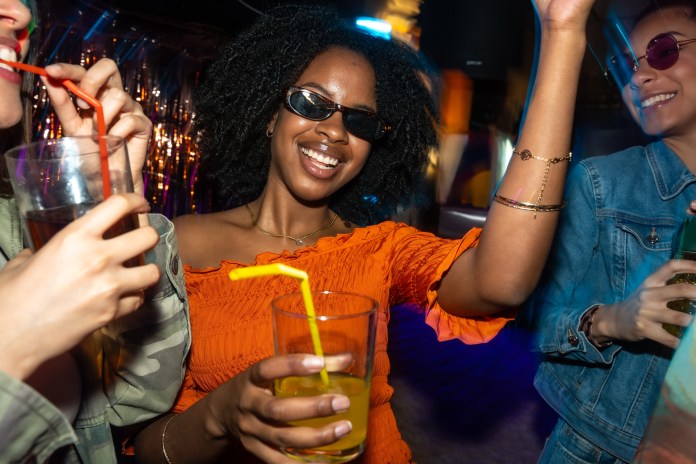
Clubs are not just rooms with music.
They reflect how a society thinks about dating, alcohol, strangers, safety, gender, friendship, and personal boundaries. The same word can carry different cultural weight depending on where it is used.
For a European foreigner, going to a club may mean dancing with friends. For some Koreans, it may suggest a space where people should stay alert. That gap can create misunderstanding. A foreigner may feel judged for liking clubs. A Korean friend may feel they are simply giving realistic advice.
Same Nightlife, Different Cultural Lens
The interesting thing about Korean club culture is not that it is completely different from Europe. The music, dancing, drinks, and late nights may look familiar.
What changes is the meaning behind them.
Abroad, clubbing may be read as casual entertainment. In Korea, it can sometimes be read through ideas of caution, intention, and social reputation. That is why the phrase “I like going to clubs” can land differently depending on who hears it.
For foreigners in Korea, this becomes one more reminder that cultural differences are not always found in big traditions or old customs. Sometimes, they appear in everyday sentences, weekend plans, and the reaction of a friend who says, “Really? Just be careful.”
- HOT NEWS
- Lazada Joins Meta's Affiliate Partnerships Programme to Streamline Social Shopping in Southeast Asia
- PropertyGuru Group's 2025 Sustainability Report Reinforces its Commitment to More Resilient and Inclusive Urban Futures Across Southeast Asia
- Nichkhun’s Shocking Weight Gain: His Extreme Diet Revealed
- IAA MOBILITY 2027 Registration Now Open - Record-Breaking Demand - More Than Half of Floor Space Already Accounted For
- Asana Partners and Norges Bank Investment Management Launch Strategic Neighborhood Retail Venture


허블 정보
Copyright © 2017 Huvle All Rights Reserved
admin@huvle.com