
Why Foreign Tourists Are Getting Obsessed With Korean Saju Cafes and Temple Stays
For some foreign tourists, the most memorable part of a Korea trip is no longer shopping in Myeongdong, taking photos in Seongsu, or visiting K-drama filming spots. It is sitting inside a small saju cafe and hearing a stranger explain their personality, love life, career, and future through their birth date.
As interest in Korean culture grows beyond K-pop and K-dramas, more visitors are becoming curious about Korea’s spiritual and emotional side. Among the most surprising new travel trends are saju readings, temple visits, and temple stays.
To Koreans, these experiences may feel familiar or even ordinary. But to foreigners, they can feel mysterious, personal, and deeply Korean.
Saju Cafes Are Becoming a New Korea Travel Stop
In areas such as Hongdae and Myeongdong, it is becoming easier to see foreign tourists waiting outside saju cafes.
For many visitors, saju is not just “fortune telling.” It feels like a mix of astrology, psychology, personality analysis, and East Asian philosophy. Based on birth year, month, day, time, and the traditional elements, saju gives people a way to think about their character, relationships, work, money, and life direction.
That makes it very different from simply buying souvenirs or taking photos at a famous street.
For some foreign tourists, getting a saju reading feels like receiving a personalized story about themselves through a Korean cultural lens.
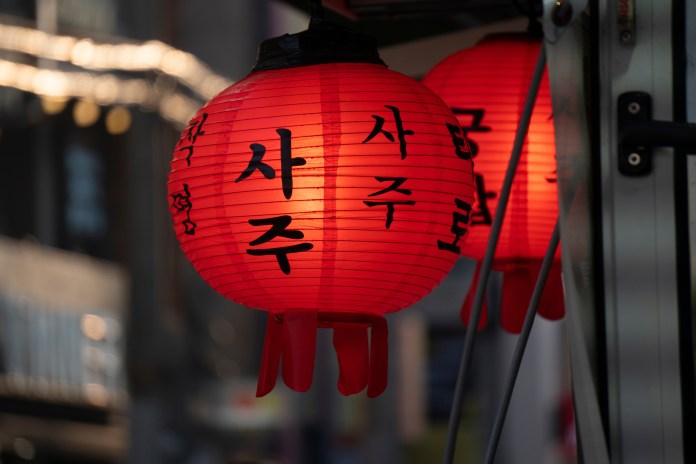
K-Dramas and Korean Celebrities Made It More Familiar
One major reason foreign visitors are curious about saju is the Korean entertainment industry.
In K-dramas, variety shows, and YouTube content, celebrities are often shown talking about saju, compatibility, fortune, or destiny. Korean stars may casually mention seeing a fortune teller before an important decision, discussing marriage compatibility, or checking their new year’s luck.
For international fans, these moments can be fascinating.
They reveal a side of Korean culture that feels very different from the polished stage image of K-pop or the romantic fantasy of K-dramas. Saju appears as something ordinary people and celebrities alike may talk about in daily life.
That makes foreign fans wonder: “What would my saju say about me?”
Why Foreigners Find Saju So Interesting
Foreign tourists often compare saju to astrology or tarot, but many say it feels more structured.
Western astrology is usually based on zodiac signs, while tarot depends on cards and interpretation. Saju, however, uses specific birth information and a traditional system of elements to analyze a person’s life.
That structure can make it feel surprisingly logical to foreigners.
Even visitors who do not fully believe in fortune telling may enjoy the experience because it offers a new way to think about themselves. Some go for fun, while others ask serious questions about love, work, marriage, money, or personal worries.
In that sense, saju works not only as a cultural activity, but also as a kind of emotional experience.
Language Barriers Are Getting Lower
In the past, saju may have felt difficult for foreign tourists to access. Many readings were offered only in Korean, and the traditional terms could be confusing even for some Koreans.
But that is changing.
More saju cafes now provide English, Japanese, or Chinese guidance. Some offer translation support, and travel platforms have begun introducing saju experiences specifically for foreign visitors.
This has made saju easier to include in a Korea travel itinerary.
Instead of only visiting cafés, beauty stores, restaurants, and photo booths, tourists can now add “get a Korean fortune reading” to their list of must-try experiences.
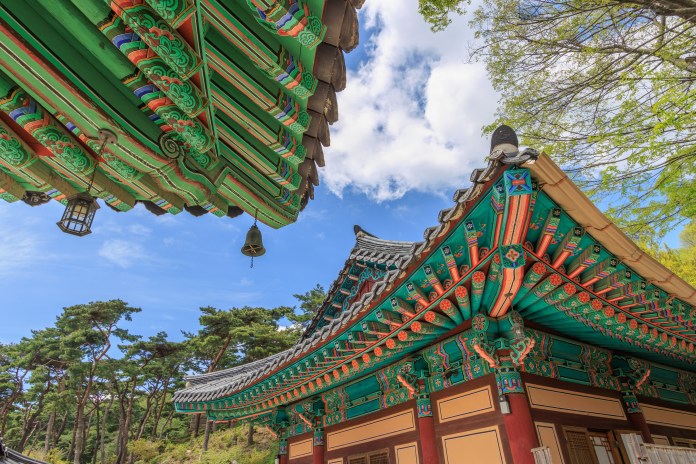
Korean Temples Are Also Attracting Foreign Visitors
Saju is not the only traditional experience gaining attention.
Korean temples and Buddhist cultural programs are also becoming popular among foreign tourists. After spending time in fast, crowded cities like Seoul, many visitors are surprised by the quiet atmosphere of a mountain temple.
The contrast can feel powerful.
One moment, they are surrounded by neon signs, cafés, subway crowds, and shopping streets. The next, they are standing in front of wooden temple buildings, listening to bells, smelling incense, or watching lanterns move in the wind.
For foreigners, Korean temples often feel less like tourist attractions and more like places to breathe.
Why Temple Stays Feel So Special
Temple stays have become one of the most meaningful Korean cultural experiences for international visitors.
Participants may wake up early for morning prayers, meditate, drink tea, eat temple food, walk through the mountains, or learn basic Buddhist etiquette.
For Koreans, these scenes may feel familiar. But for foreigners, they can feel completely different from ordinary travel.
Instead of rushing from one famous location to another, temple stays encourage visitors to slow down. They offer silence, reflection, and a rare break from busy city tourism.
This is why many foreign visitors describe temple stays as calming, healing, or emotionally memorable.
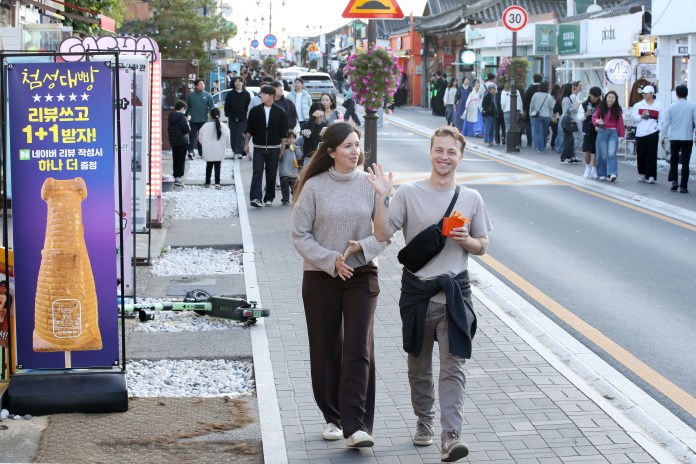
Korea’s Spiritual Side Feels New to Foreign Tourists
What makes this trend interesting is that it shows a shift in how foreigners experience Korea.
For a long time, Korea was mainly promoted through shopping, food, beauty, K-pop, and K-dramas. Those remain important, but many travelers now want something deeper.
They want to understand how Koreans think about destiny, personality, relationships, stress, healing, and the future.
That is why saju cafes and temples are attracting attention. They offer a side of Korea that feels more personal and reflective.
To global MZ travelers who are interested in wellness, self-discovery, meditation, and identity, these experiences can feel especially appealing.
Korea Is No Longer Just a Place to Consume Trends
The growing interest in saju and temple culture shows that Korea’s appeal is expanding.
Foreign tourists are no longer only coming to buy cosmetics, eat street food, visit idol-related places, or recreate drama scenes. Many now want to experience the atmosphere and emotional culture of Korea.
A saju cafe beside a busy street, a temple hidden near a city, a lantern glowing in a quiet courtyard these are the kinds of moments that can feel uniquely Korean to visitors.
What Koreans may see as ordinary can become unforgettable to foreigners.
In the end, the reason foreign tourists are drawn to saju and temple stays is not simply because they are exotic. It is because they offer something modern travel often lacks: a chance to pause, reflect, and experience Korea from the inside.
- HOT NEWS
- This September, SIAL Guangzhou Unveils 7 Trends Shaping China's F&B Industry
- MANDOLIN RESIDENCES BRINGS MODERN HIGH-RISE LIVING TO TAMAN DESA TEBRAU, JOHOR BAHRU
- izna to release first Japanese mini album in September → Yokohama debut showcase to be held
- Globe Bags Back-to-Back Recognition in TIME's World's Most Sustainable Companies, Remains Only Philippine Telco on Global List
- Discover RESCENE: K-Pop’s Trending Melodic Girl Group



허블 정보
Copyright © 2017 Huvle All Rights Reserved
admin@huvle.com