
How K-Dramas Became the First Way Foreigners Learn About Korean Culture
For many foreigners, Korea is no longer a country they discover for the first time at the airport. They have already seen it through K-dramas: palace courtyards, hanbok, royal food, family rituals, dating culture, traditional weddings, and quiet streets that feel strangely familiar before they ever arrive.
Korean dramas and films have become more than entertainment. For international viewers, they often work like a first introduction to Korea. Before reading a guidebook or joining a tour, many foreigners learn about Korean customs through Netflix, Disney+, YouTube clips, and viral drama scenes.
That is why some tourists arrive in Korea and immediately say, “I saw this in a drama.” A palace does not feel completely unfamiliar. A hanbok rental shop feels connected to a scene they once watched. A traditional meal feels like something they have already imagined through a screen.
K-Dramas Became Korea’s Cultural Window
For foreign viewers, K-dramas often teach culture in a natural way.
They do not simply explain Korean food, family hierarchy, palace etiquette, or historical clothing. They show them through characters, romance, conflict, humor, and emotion. This makes Korean culture easier to remember.
A viewer may not know the full history of Joseon, but they may remember the image of a king walking through a palace. They may not understand every detail of traditional wedding customs, but they may remember the colors, bows, hair ornaments, and ceremonial atmosphere.
That emotional memory becomes a starting point.
In this sense, K-dramas act like a soft cultural textbook. They introduce Korea through stories rather than lectures.

Historical Dramas Make Tradition Feel Alive
One reason historical K-dramas are so powerful overseas is that they turn traditional culture into visual storytelling.
A palace is not just a tourist site. It becomes the place where a love story begins, a political betrayal unfolds, or a royal meal is prepared. Hanbok is not just clothing. It becomes part of a character’s identity, status, and emotion.
This is why foreign viewers often become curious about Korean history after watching period dramas.
They begin with the story, then move toward the culture behind it.
For many international fans, dramas involving kings, queens, court politics, royal kitchens, or traditional ceremonies are their first encounter with Korea’s past. Even when the story includes fantasy or romance, the visual world can still spark real curiosity.
Why Royal Food Fascinates Foreign Viewers
Food-centered historical dramas have a special appeal.
Many foreigners already know Korean food through kimchi, bulgogi, bibimbap, tteokbokki, or Korean barbecue. But palace cuisine feels different. It introduces a more refined and historical side of Korean food culture.
When a drama shows royal meals, table settings, ingredients, cooking methods, and court etiquette, foreign viewers see Korean cuisine as something deeper than street food or trendy restaurants.
They begin to ask new questions.
What did kings eat? Why were certain dishes served in a particular way? How did food reflect rank, health, season, and ceremony?
A drama can turn a simple food scene into cultural curiosity.
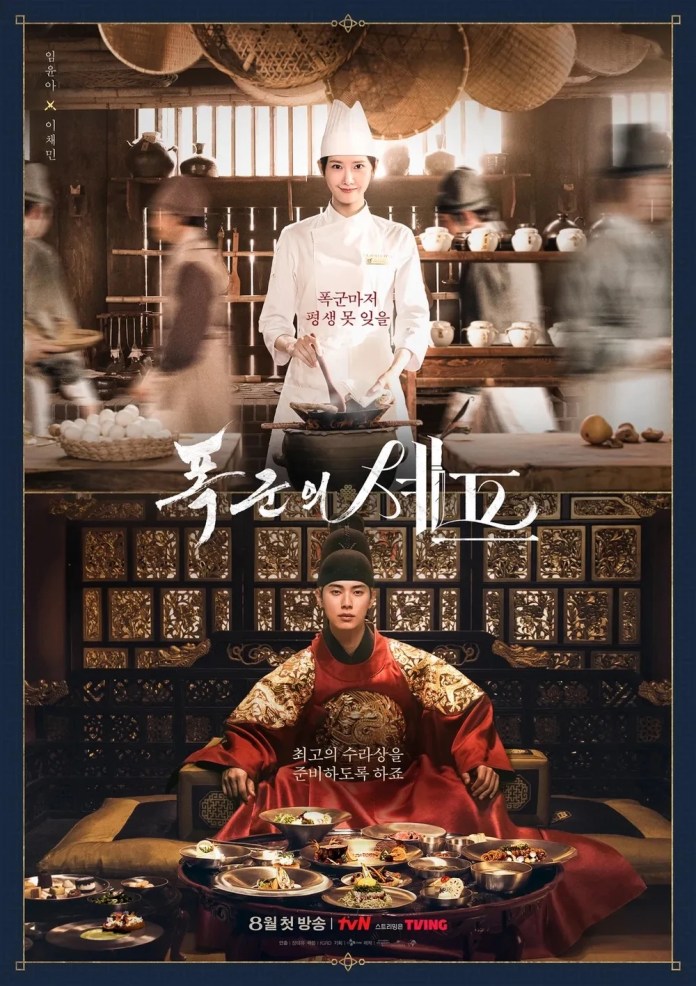
Modern Royal Stories Make Tradition Easier to Approach
Some Korean dramas mix modern settings with imagined royal systems, contract marriages, palace rules, and traditional wedding images.
For foreign audiences, this combination can be especially easy to enjoy. The modern setting feels familiar, while the royal elements feel new and distinctly Korean.
Traditional clothing, formal ceremonies, family expectations, status differences, and court-like rules become more accessible because they are placed inside a contemporary story.
This is one reason modern royal fantasy dramas attract attention overseas. They do not require viewers to fully understand Korean history from the beginning. Instead, they invite viewers into a stylish version of Korean tradition through romance and drama.
Films Can Open the Door to Korean History
Korean films based on historical figures or royal tragedies also help foreign audiences understand that Korea’s past is not only beautiful, but complex.
Stories about young kings, loyal retainers, political betrayal, exile, and sacrifice introduce viewers to heavier historical themes. Through these films, foreign audiences learn that Joseon was not only a world of elegant hanbok and palace scenery. It was also shaped by power struggles, class systems, loyalty, and tragedy.
For international viewers, these stories can feel both unfamiliar and universal.
They may not know the historical background at first, but they understand fear, ambition, loyalty, injustice, and loss. That emotional connection makes them want to learn more.
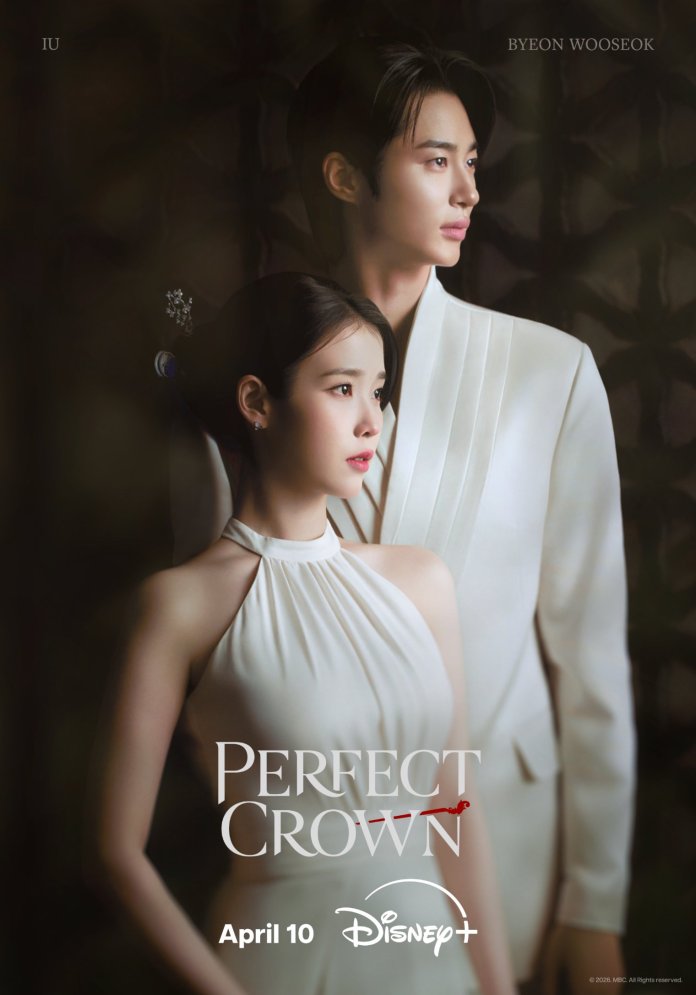
Screen Culture Turns Into Real Travel
The influence of K-content does not end after the final episode.
Many foreign tourists want to visit the places they have seen on screen. They walk through Gyeongbokgung or Changdeokgung, rent hanbok for photos, visit traditional markets, try Korean meals, and search for filming locations.
For them, these are not just tourist activities. They are ways to step into a world they first experienced through dramas.
A palace becomes more meaningful because they have seen similar scenes in historical dramas. A traditional meal becomes more exciting because it reminds them of a drama banquet or royal kitchen scene. Wearing hanbok feels less like a costume and more like participating in an image they already associate with Korea.
K-content creates emotional familiarity before travel begins.
K-Dramas Shape Korea’s Global Image
K-dramas and Korean films now play a major role in how foreigners imagine Korea.
They show how Koreans eat, speak, date, argue, respect elders, celebrate ceremonies, remember history, and express emotion. Of course, dramas are not documentaries. They exaggerate, romanticize, and dramatize reality.
But first impressions matter.
For many foreigners, a drama scene may be the first time they see Korean family rituals, traditional architecture, court clothing, or historical food. Even if the scene is fictional, it creates curiosity about the real culture behind it.
That curiosity can lead to tourism, language learning, food interest, fashion influence, and deeper cultural study.
Korea Feels Familiar Before Foreigners Arrive
The most interesting part of K-content’s global influence is that it makes Korea feel familiar from far away.
Foreign viewers may live thousands of kilometers from Seoul, but they already recognize palace gates, hanbok silhouettes, Korean dining tables, convenience stores, school uniforms, subway stations, and café dates through dramas.
So when they finally come to Korea, the country feels new and familiar at the same time.
They are not simply visiting an unknown place. They are meeting a place they have already imagined.
Why K-Content Matters Beyond Entertainment
K-dramas and Korean films are powerful because they do not only tell stories. They build emotional bridges.
They allow foreign viewers to experience Korean culture before they understand every detail. They make history visual, food memorable, traditions romantic, and travel destinations meaningful.
For foreigners, learning Korea through K-content is not the same as studying from a textbook. It is more personal. They remember the palace because a character cried there. They remember the food because it appeared in an emotional scene. They remember hanbok because it was connected to love, power, or family.
That is why K-dramas have become one of the strongest ways foreign audiences understand Korea.
They do not just show Korea to the world. They make the world feel like it has already been there.
- HOT NEWS
- BTS’s Jin Tops FANNSTAR Solo Ranking for 42 Consecutive Weeks
- Arrow Global Insurance strengthens specialty insurance platform through acquisition of Fusion Specialty Group
- Robo.ai Announces Core Executive Appointments, Forming a Local UAE Leadership Team at Neurovia AI
- WJSN's Soobin spends a special time with fans on her birthday... "Thank you"
- GAC Delivers Strong H1 Performance with Accelerated Global Expansion



허블 정보
Copyright © 2017 Huvle All Rights Reserved
admin@huvle.com