
3 Unexpected K-Beauty Treatments Foreigners Are Traveling to Korea For
K-beauty is no longer just about cushion foundations, sheet masks, sunscreen, and serums. For many foreign visitors, the real K-beauty experience now happens inside Korean salons, skin clinics, scalp-care rooms, and beauty treatment centers.
In the past, tourists often came to Korea to buy beauty products. Today, more of them are adding beauty appointments to their travel plans. From scalp analysis to pore-cleansing facials and quick cosmetic procedures, Korea’s beauty industry has become part of the travel experience itself.
What makes Korea especially attractive to foreign visitors is the combination of variety, speed, accessibility, and price range. In areas such as Gangnam, Myeongdong, Hongdae, and Seongsu, beauty clinics and salons are increasingly prepared for overseas customers, with English guidance, online booking systems, and foreigner-friendly treatment menus.
But interestingly, not every visitor is coming for major plastic surgery. Many are choosing smaller, lower-burden treatments that feel more like beauty maintenance than dramatic transformation.
Here are three K-beauty treatments that many foreigners find unexpectedly fascinating.
1. Korean Head Spa: Scalp Care That Feels Like a Luxury Ritual
One treatment gaining attention among foreign visitors is the Korean-style head spa.
For people who have never experienced it before, a head spa may sound like a simple shampoo service. But in Korea, it can be much more detailed. Many programs include scalp analysis, deep cleansing, exfoliation, steam or mist treatment, shampoo, nutrition care, and massage.
Some salons begin with a camera-based scalp check, allowing customers to see oil, dead skin, sensitivity, or buildup on the scalp. For foreigners, this step alone can feel surprisingly high-tech.
After that, the treatment often moves through multiple stages designed to relax the scalp and refresh the hair. Depending on the salon, a head spa course may feel closer to a wellness treatment than a regular hair service.
The appeal is easy to understand. Tourists who arrive after a long flight, heavy travel schedule, seasonal weather changes, or exposure to fine dust may feel tired not only in their body but also in their scalp and hair. A Korean head spa offers both care and rest.
It is also popular with both women and men. Some visitors go for relaxation and hair health, while others are interested in scalp cleanliness, oil control, or the image of preventive scalp care.
For many foreigners, the Korean head spa feels like a perfect example of K-beauty’s detailed approach: even the scalp becomes something worth analyzing, cleansing, and treating carefully.
2. Aqua Peel: The “Pore Cleaning” Facial Foreigners Want to Try
Another popular treatment is the aqua peel.
To many foreigners, aqua peel sounds interesting because it is often described as a quick way to clean out pores, remove sebum, manage blackheads, and make the skin feel smoother. It is not usually presented as a dramatic procedure, but rather as a relatively light facial treatment that can fit into a travel schedule.
Aqua peel treatments are commonly explained as using water-based solutions and suction equipment to help remove impurities from the pores. Some programs also include mild exfoliation and hydrating or nourishing steps afterward.
The reason it appeals to foreign visitors is the immediate feeling.
After sightseeing, wearing sunscreen, sweating in humid weather, or dealing with city pollution, many tourists want their skin to feel refreshed. Aqua peel sounds like a fast “reset” for the face.
It also connects strongly with the global image of Korean glass skin. Foreigners who are curious about Korean skincare may see aqua peel as an easy entry point into clinic-based K-beauty.
Unlike bigger procedures, it can feel less intimidating. The appointment is usually shorter, and many people view it as skincare maintenance rather than a major cosmetic decision.
Still, visitors should not choose a treatment only because it is cheap or trendy. Skin condition, sensitivity, clinic hygiene, staff experience, and aftercare all matter. What works well for one person may not be suitable for another.
Even so, aqua peel remains one of the treatments that foreign visitors often find both accessible and very “Korean” in its beauty logic: clean the pores, smooth the texture, hydrate the skin, and leave quickly.
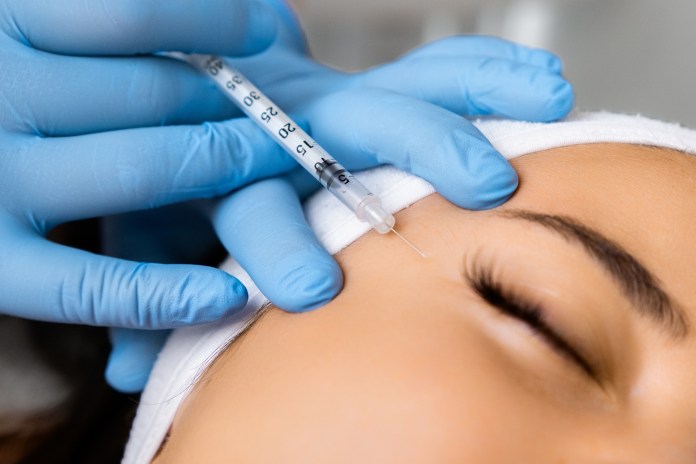
3. Botox: A Petite Procedure That Feels More Accessible in Korea
The third treatment is Botox.
In many countries, Botox is seen as expensive, exclusive, or something people do only after long consideration. In Korea, however, Botox is often treated as a more common petite cosmetic procedure.
It may be used for areas such as the forehead, between the eyebrows, around the eyes, jawline, shoulders, or calves, depending on the individual’s concern and professional consultation.
For foreign visitors, the appeal is partly about accessibility. Seoul has many clinics offering a wide range of price points, products, and treatment options. In beauty-focused neighborhoods such as Gangnam, Apgujeong, Cheongdam, and Myeongdong, foreign visitors may find clinics that are used to working with overseas customers.
But price is not the only reason people are interested.
Korea has a strong reputation for subtle beauty treatments and fast service. Many foreigners are drawn to the idea of a quick consultation and a small procedure that can fit into a short trip.
However, Botox should not be treated casually just because it is common. It is a medical procedure. Visitors should check the medical staff’s qualifications, product authenticity, dosage, treatment area, side effects, and follow-up guidance before making a decision.
The result also varies depending on the person, the muscle area, and the technique used.
Even with those cautions, Botox remains one of the reasons some foreigners now see Korea as a beauty tourism destination, not just a place to buy skincare.
Why Foreigners Are Drawn to Korean Beauty Treatments
The reason foreign visitors are interested in these treatments is not only because K-beauty is trendy.
Korean beauty culture is highly specific. Instead of approaching beauty in broad terms, it breaks concerns down into detailed categories: pores, elasticity, puffiness, scalp condition, sebum, texture, jawline, wrinkles, hydration, and tone.
That level of detail feels impressive to foreigners.
In some countries, going to a clinic for a facial or cosmetic treatment may feel like something reserved for special occasions. In Korea, many beauty treatments feel more integrated into everyday maintenance culture.
This makes the experience feel different.
A visitor may come to Korea expecting to buy sheet masks, but leave with a scalp diagnosis, a pore-cleansing facial, or a small wrinkle treatment appointment on their itinerary.
K-Beauty Has Become an Experience, Not Just a Product
The biggest change is that K-beauty is no longer limited to what people put in their shopping bags.
It is becoming something they experience in Korea directly.
A head spa shows Korea’s detailed approach to relaxation and scalp care. Aqua peel represents quick, clinic-style skincare maintenance. Botox reflects the accessibility of Korea’s petite beauty procedure culture.
For Koreans, some of these treatments may feel familiar. For foreigners, they can feel like a special part of traveling in Korea.
That is why K-beauty has moved beyond the bathroom shelf and the makeup pouch.
Today, it is also found in salons, clinics, treatment rooms, and travel schedules. For many foreign tourists, experiencing beauty care in Korea has become part of understanding what modern K-beauty really means.
]]>In Korea, feminine care products and women’s daily convenience items are often easy to find. Convenience stores, Olive Young, pharmacies, supermarkets, and drugstores all carry products that many women may need suddenly during the day.
For foreigners from Europe or other regions, this can be surprisingly impressive. Of course, menstrual pads, tampons, pain relief products, intimate care items, and hygiene products also exist abroad. But what feels different in Korea is the level of accessibility and detail.
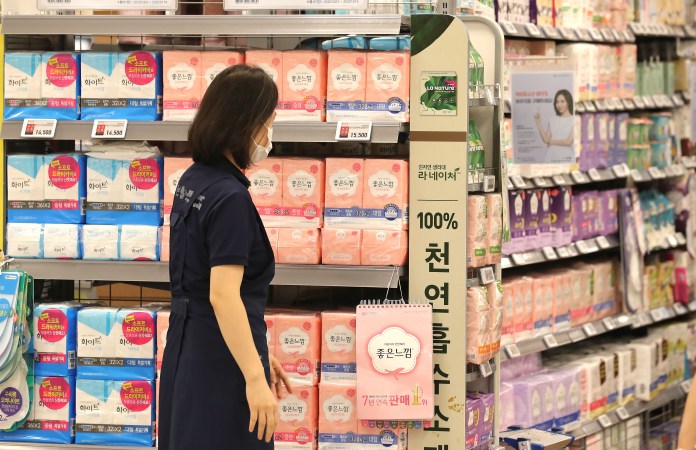
Korea does not simply sell “period products.” It offers options by length, thickness, material, texture, absorbency, nighttime use, organic cotton, cooling effect, underwear-style products, and more.
For foreign women, this can feel like a small but meaningful example of how Korea turns everyday discomfort into something that can be managed more conveniently.
The First Shock: So Many Types of Period Products
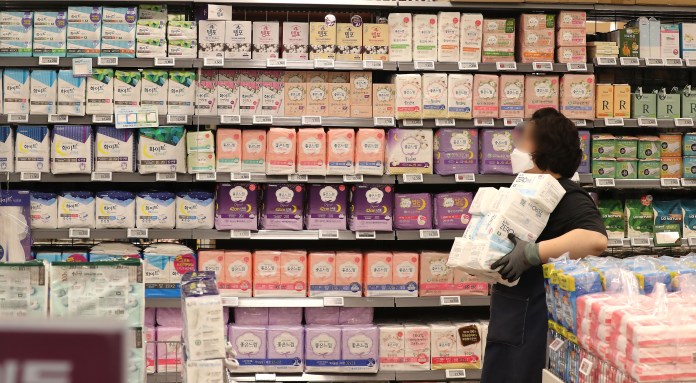
One of the first things foreigners may notice in Korea is the size of the feminine care section.
In many countries, there are different brands and product types, but Korean stores often feel more detailed. There are daytime pads, overnight pads, slim pads, cotton pads, organic products, cooling products, period underwear-style products, and products designed for heavier flow or long hours outside.
At first, the choice can feel overwhelming.
A foreigner may stand in front of the shelf and wonder which one to buy. But after living in Korea, the variety begins to make sense. Many women spend long hours at school, work, on public transportation, or outside the home. Products are designed around different situations, not just one basic need.
This is why the variety can feel useful rather than excessive. It gives consumers a better chance of finding something that fits their body, schedule, and comfort level.
Olive Young Feels Like a Women’s Convenience Store
To many foreigners, Olive Young is not just a beauty store.
It feels like a place where skincare, health, hygiene, and feminine care come together in one location. Alongside cosmetics and face masks, customers can find period products, intimate cleansers, body wipes, underwear wash, personal care items, and various wellness products.
For some foreigners, this is surprising because these products can feel more hidden or separated in their home countries. They may need to visit a pharmacy, a large supermarket, or a specific health store to find similar items.
In Korea, however, these products are often displayed openly and naturally.
That can feel refreshing. Instead of treating women’s bodily discomfort as something embarrassing, stores present it as a normal part of daily life that can be managed with practical products.
Convenience Stores Make a Big Difference
Another major difference is access.
In Korea, if someone suddenly needs a pad late at night, a convenience store is usually nearby. Since many convenience stores stay open 24 hours, this gives women a sense of security.
For foreigners from places where shops close early, this can feel like a huge advantage. In smaller European cities or residential areas, finding period products at night can be difficult. If a pharmacy or supermarket is closed, there may be few options.
In Korea, the idea that “I can buy it right away if I need it” creates real peace of mind.
This is not just convenience. For people who menstruate, it can affect how safe and prepared they feel while living in a city.
Public Bathroom Safety Features Stand Out
Feminine care culture in Korea is not only about products.
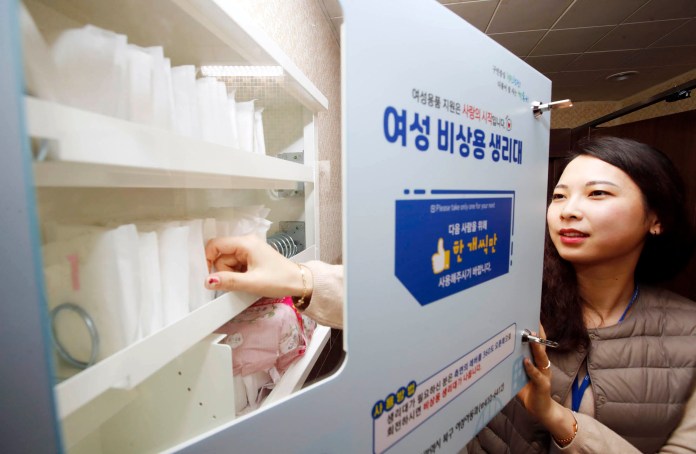
Some foreigners also notice safety features in public restrooms, such as emergency bells or safety buttons. These can be found in certain subway stations, parks, public facilities, and women’s restrooms.
Seeing these buttons can create mixed feelings.
On one hand, their existence shows that women’s safety concerns are real. On the other hand, it is striking to see a public system that visibly tries to respond to those concerns.
For foreigners, this can feel different from what they are used to. Many countries discuss public safety, but not every place has visible emergency systems inside bathrooms.
Korea is not perfect, and safety problems still exist. But the presence of these systems can leave a strong impression because they show that certain risks are being recognized at the facility level.
The City Feels Designed for Small Emergencies
Korea’s urban convenience also becomes noticeable in other small ways.
Public transportation signs, pregnancy priority seats, nursing rooms, diaper-changing facilities, emergency guidance, and late-night store access all contribute to the feeling that the city considers many everyday situations.
These facilities are not only for women. They also support pregnant people, parents, caregivers, and anyone who may need extra help during the day.
Still, for foreign women, the overall effect can feel meaningful. On a day when someone is tired, menstruating, traveling late, or suddenly needs a hygiene product, Korea often provides more options than expected.
The support may not be perfect, but it is visible.
Convenience and Pressure Exist Together
There is another side to this culture.
Korea has a strong self-care and appearance-management culture. This can be helpful because many products and services are available, but it can also create pressure. Women may feel expected to stay clean, fresh, well-managed, and prepared at all times.
Foreigners may notice both sides.
On one hand, Korea’s feminine care market feels advanced and practical. On the other hand, the number of products can also suggest that women are expected to manage every small discomfort perfectly.
That is why the culture can feel both impressive and complicated.
It offers more choices, but it may also reflect a society where women feel pressure to constantly take care of their bodies in a certain way.
Why Foreigners Find It So Impressive
What makes Korea’s feminine care culture memorable is not that it is glamorous. It is the opposite. It is practical.
A person can buy period products at a convenience store. They can choose from many product types. They can find hygiene items at Olive Young. They may see emergency buttons in public bathrooms. They can access products and facilities that make daily discomfort slightly easier to manage.
These details may seem ordinary to Koreans, but to foreigners, they can feel surprisingly thoughtful.
Korea is often seen as a country of beauty trends, fast technology, and convenience culture. But for many foreign women, one of the most impressive parts of life in Korea is how everyday needs are turned into visible products, services, and systems.
In the end, Korea’s feminine care culture is not just about shopping. It shows how daily discomfort, safety, hygiene, and convenience have become part of the country’s urban lifestyle.
For foreigners, that can feel not only surprising, but genuinely enviable.
- HOT NEWS
- Why Seoul is the Top Choice for International Students
- 'Joseon's Romantic Singer Contest' Choi Sung-guk's family, all selected by judges to advance to the finals
- JianLiBao Becomes Exclusive Title Sponsor of the Around the Island Race -Coastal Rowing
- GAC Group to Celebrate 30 Million Global Users on July 16
- NTT Debuts Financial AI Fabric at LEAP East as Strategic Infrastructure Roadmap to Meet Hong Kong's Financial AI Demands



허블 정보
Copyright © 2017 Huvle All Rights Reserved
admin@huvle.com