
Why Learning Korean Is Becoming a Global Trend
Not long ago, learning Korean was often seen as a niche hobby reserved for devoted K-pop or K-drama fans. Today, the picture looks very different. Across the globe, more people are enrolling in Korean language classes not only to understand their favorite songs without subtitles, but also to study, work, and build careers connected to South Korea.
As global interest in Korean culture continues to grow, Korean has evolved from a fan-driven language into one with real educational and professional value.
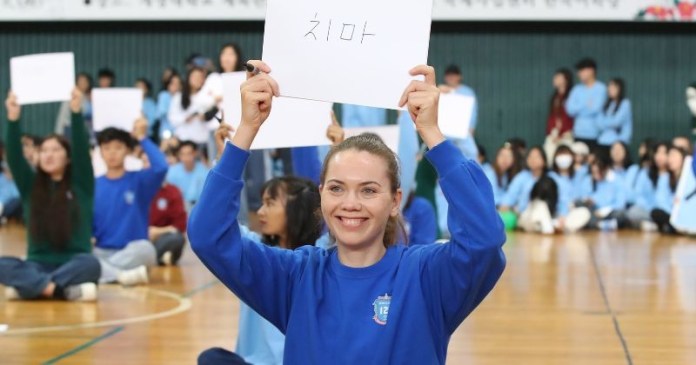
K-Content Sparks Curiosity, But Language Keeps People Engaged
For many learners, the journey begins with entertainment.
A catchy K-pop song, an emotional K-drama scene, or a funny Korean variety show often inspires people to learn simple expressions like daebak, jinjja, or gwaenchanha. What starts as curiosity frequently develops into serious language study.
According to South Korea’s 2025 Global Hallyu Survey released by the Ministry of Culture, Sports and Tourism, 70.3% of respondents worldwide expressed a favorable view of Korean cultural content. Korean language itself also received exceptionally high favorability, reflecting how closely language learning has become tied to the global popularity of Korean entertainment.
Many learners eventually discover that speaking Korean allows them to experience Korean content more naturally while connecting more deeply with its culture.
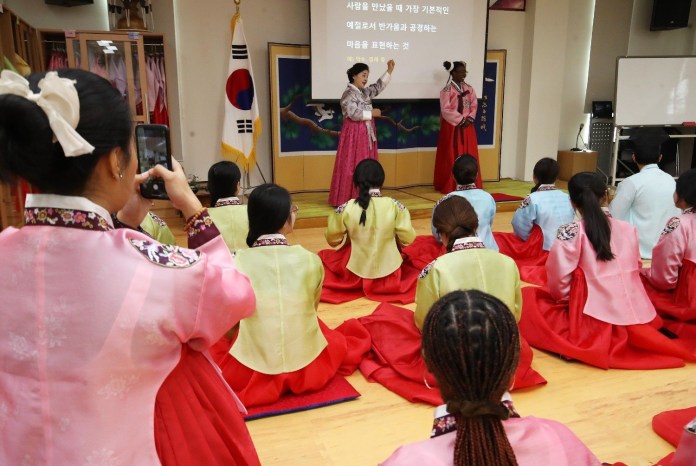
Korean Is Becoming a Global Classroom Subject
The growing demand is reflected in education statistics.
The King Sejong Institute Foundation, which promotes Korean language and culture overseas, reported more than 239,000 students enrolled worldwide in 2025, the highest number in its history.
Since opening its first institutes in 2007, the network has expanded across dozens of countries, offering not only language instruction but also cultural activities covering Korean food, traditions, music, and everyday life.
Online education has accelerated this growth even further. Digital classrooms, mobile learning platforms, and AI-powered study tools now allow students to learn Korean regardless of where they live, making the language more accessible than ever.
Learning Korean Is No Longer Just About Entertainment
One of the biggest changes is why people choose to study Korean.
Many students begin because they love K-pop or K-dramas, but their goals often evolve. Some prepare for university admission in Korea, while others hope to find jobs with Korean companies or pursue careers in tourism, translation, education, or international business.
This shift is also reflected in language testing. The Test of Proficiency in Korean (TOPIK) continues to attract record numbers of applicants, as proficiency scores are increasingly used for university admissions, scholarships, employment, and long-term residency opportunities.
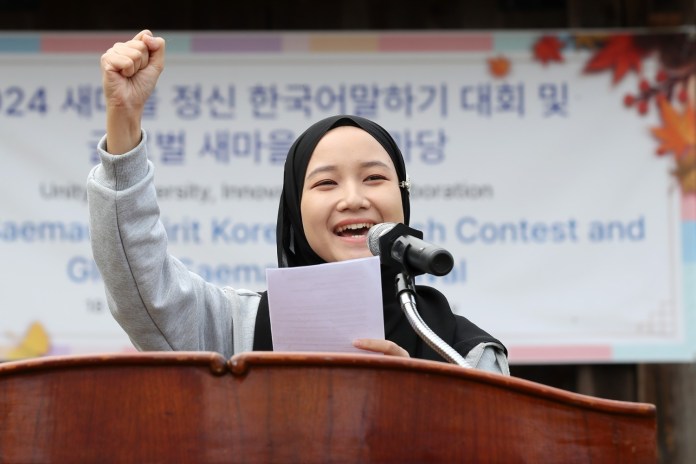
Meanwhile, Korean speech contests and cultural exchange programs organized by King Sejong Institutes, universities, and Korean Cultural Centers have become popular around the world, giving learners opportunities to use Korean in real-life settings while meeting people from different countries who share the same passion.
A Language That Opens New Doors
What makes Korean unique is that many learners never planned to study it seriously.
Someone who started by memorizing K-pop lyrics may eventually move to Seoul for university. A traveler hoping to order food in Korean might later pursue a career involving Korea. Others discover friendships, cultural exchange, and professional opportunities they never expected.
As Korean culture continues expanding globally, the language is becoming much more than a way to enjoy entertainment. For millions of learners, Korean has become a bridge to education, careers, travel, and meaningful international connections.
What often begins with a single subtitled drama or favorite idol can end up changing the direction of someone’s future.
- HOT NEWS
- Agoda: China Leads Inbound Travel Interest Growth to Indonesia in H1 2026
- HashMicro Advances Manufacturers with AI-Native Capabilities Through HashMicro X
- XCMG Advances Overseas Vocational Education to Cultivate Future-Ready Talent on World Youth Skills Day
- LE SSERAFIM Kim Chaewon, first stage with the 5-member 'Boompala' after recovering from a neck injury... heated up Inspire Arena
- “None of Them Can Get Married”: Taecyeon Hilariously Roasts His Single 2PM Bandmates



허블 정보
Copyright © 2017 Huvle All Rights Reserved
admin@huvle.com