
Why Foreigners Are Surprised by the Sweet Taste of Korean Pizza, Pasta, and Bread
Before moving to Korea, many foreigners expect Korean food to be spicy. They think of kimchi, tteokbokki, spicy stews, and fire noodles. But for some foreigners, the real surprise is not the heat. It is the sweetness.
For people from Europe, especially countries where pizza, pasta, bread, cheese, and cured meats are part of everyday food culture, Korean-style Western food can feel unexpectedly different.
A pizza may come with sweet potato mousse. Pasta sauce may taste creamier and sweeter than expected. Bakery shelves may look more like dessert displays than places to buy bread for a meal. Cheese and salami may be more expensive and less varied than foreigners are used to. At first, these differences can feel confusing. But after living in Korea, many foreigners begin to understand that this is not simply “wrong” Western food. It is Western food translated into Korean taste.
The First Shock: Sweet Potato on Pizza
For many Europeans, pizza is usually a savory food.
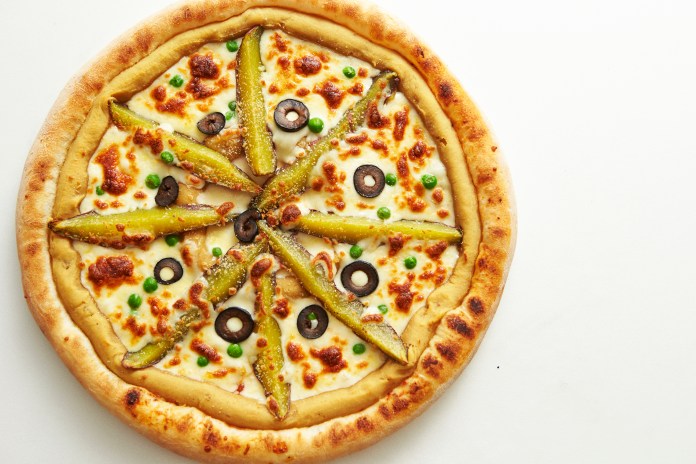
Tomato sauce, mozzarella, olives, mushrooms, salami, ham, basil, and olive oil create a salty and rich flavor. So when foreigners in Korea crave something savory, pizza can feel like a safe choice. Then the pizza arrives with sweet potato mousse. For some foreigners, this is a real culture shock. In many European countries, sweet potato is not a common pizza topping. Pizza belongs clearly in the savory category, so the soft sweetness of sweet potato can feel completely unexpected.
In Korea, however, sweet potato pizza is familiar and popular. The sweetness balances salty toppings, cheese, and rich sauces. It also creates a softer, creamier texture that many Korean consumers enjoy. To a foreigner, the first bite may feel like asking, “Is this dinner or dessert?” But for Koreans, that sweet-and-savory mix is part of the fun.
Korean Pasta Can Taste Softer and Sweeter
Pizza is not the only surprise.
Some foreigners also notice that pasta in Korea can taste different from pasta in Europe. Tomato sauce may feel less acidic. Cream sauce may be richer, smoother, and slightly sweet. Garlic bread served with pasta may also taste closer to dessert than to a simple side dish.
In Europe, pasta often focuses on saltiness, acidity, olive oil, cheese, herbs, and the flavor of the ingredients themselves. In Korea, many pasta dishes are adapted to suit local preferences: creamy, mild, rich, and easy to enjoy.
This does not mean Korean pasta is bad. It means it has become its own style. Just as Korean fried chicken is different from American fried chicken, Korean-style pasta is not always trying to copy Italy. It is often made for Korean diners who prefer softer textures, fuller sauces, and a more balanced sweet-savory flavor.
Bread Feels More Like Dessert in Korea
Bread culture can be another surprise for Europeans.
In many European countries, bread is part of a meal. People eat baguettes, rye bread, sourdough, rolls, or rustic loaves with soup, stew, cheese, ham, butter, or salad. Bread is often plain, chewy, salty, or slightly sour.
In Korea, bakeries often feel much sweeter.
Cream-filled bread, red bean bread, soboro bread, sweet potato bread, custard buns, garlic cream cheese bread, and whipped cream pastries are easy to find. Of course, Korea also has meal-style bread, but sweet breads are often much more visible in everyday bakeries.
For a European foreigner, entering a Korean bakery can feel like entering a dessert shop.
At first, this can be surprising. But it also shows how bread has developed differently in Korea. Instead of being mainly a table staple, bread is often treated as a snack, dessert, café item, or gift.
Cheese and Salami Are Not as Everyday as in Europe
Another difference many foreigners notice is the role of dairy and cured meats.
In Europe, cheese is often a basic food. Supermarkets may have many types of cheese at different prices: soft cheese, hard cheese, aged cheese, goat cheese, sheep cheese, blue cheese, and regional varieties.
In Korea, cheese is available, but the selection can feel more limited and expensive, especially when it comes to imported or aged varieties.
The same is true for salami, prosciutto, cured ham, and dry sausages. In many European countries, these are everyday foods used for sandwiches, breakfast plates, wine snacks, or simple meals. In Korea, they can be found in bigger supermarkets or imported food shops, but they are not as deeply embedded in daily food culture.
This reflects a larger difference. Korea has a strong culture of freshly cooked meat dishes such as samgyeopsal, bulgogi, fried chicken, and grilled meat. Dry-aged or cured meat culture is simply not as central to everyday eating as it is in parts of Europe.
The Biggest Difference Is Not the Food, But the Standard
For foreigners, the real culture shock is not just one topping or one sauce. It is the fact that the same food category can mean something different.
In Europe, pizza and pasta are usually clearly savory meals. Bread is often a basic part of the table. Cheese and cured meats are everyday ingredients.
In Korea, pizza can be sweet and creamy. Pasta can be rich and mild. Bread can become dessert. Cheese and salami can feel more like premium or imported items.
The names may be familiar, but the expectations are different.
Korea Makes Foreign Food Its Own
This is one of the most interesting parts of eating in Korea.
Foreign foods do not simply arrive and stay the same. They are reshaped by Korean preferences, local ingredients, café culture, delivery trends, and consumer habits.
Sometimes the result shocks foreigners. Sometimes it makes them laugh. Sometimes they miss the taste of home. But sometimes, after a while, they start craving the Korean version too.
That is the power of food culture. It does not only preserve tradition. It also translates, adapts, and creates something new.
So when a foreigner in Korea asks, “Why is even the pizza sweet?” the answer is not that Korea misunderstood pizza.
It is that Korea made pizza Korean.
- HOT NEWS
- APRW's 30 years filled with regional and global integrated communications success in national campaigns, well-loved brands, entertainment and festivals, education, startups, charities and more
- The Original Pioneer: You & HIKMICRO - Celebrating Three Years of Leading the Digital Hunt Together
- Initiative on Joint Promotion of World Cultural Heritage Launched in Chongzuo, China
- Soprano Strengthens Global Security Credentials with Major Compliance Milestones
- Nichkhun’s Shocking Weight Gain: His Extreme Diet Revealed
-

Solos Unveils Next-Generation AirGo™ A6 and New Privacy Kit, Launches AirGo™ V2 Worldwide at Third Annual AI Smartglasses Symposium in Hong Kong
-

2025-26 FIRST® LEGO® League Hong Kong Championship Concludes Successfully, Bringing Together STEAM Talents from 15 countries/regions to Advance International STEAM Education Through Competition

허블 정보
Copyright © 2017 Huvle All Rights Reserved
admin@huvle.com