
Korean Salads: From Side Dish to Health-Centric Meals
Korean food is often associated with barbecue, spicy tteokbokki, fried chicken, and tables filled with side dishes. However, foreign visitors are increasingly noticing another side of Korea’s food culture: the rapid growth of salad restaurants, poke shops, protein lunchboxes, and health-focused convenience foods.
What surprises many foreigners is not that Koreans eat salads. It is that salad has evolved from a small side dish or temporary diet food into a complete everyday meal.
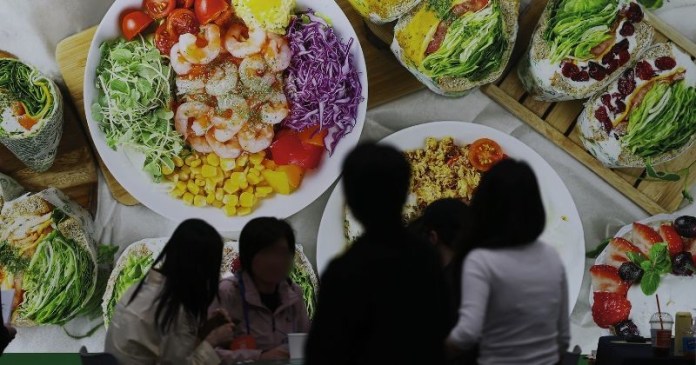
Salad Is No Longer Just Diet Food
In the past, salad in Korea was often served beside pasta, steak, or pork cutlets. Today, many restaurants build entire meals around vegetables, adding chicken, salmon, tofu, eggs, grains, sweet potatoes, avocado, and other filling ingredients.
Korean salad franchise Salady is one example of this change. In addition to traditional salads, it offers warm grain bowls, wraps, and protein-focused meals designed to be both convenient and satisfying.
Poke has also become a popular lunch option, especially around offices, universities, and gyms. Korean-style poke often combines salmon, tuna, chicken, tofu, multigrain rice, seaweed, vegetables, and locally inspired sauces.
Why Foreigners Find Korea’s Healthy Food Culture Interesting
In many countries, salads are still associated with simple vegetables or strict dieting. In Korea, however, health-focused meals are often highly customizable and influenced by local flavors.
Customers can choose their own base, protein, toppings, and dressing. Some restaurants add Korean-style ingredients such as multigrain rice, spicy chicken, soy-marinated meat, sesame sauces, or gochujang-inspired flavors.
The result is a meal that feels lighter while still being filling and flavorful.
From “Diet Food” to a Self-Management Meal
The popularity of healthy food is closely connected to Korea’s growing culture of gwanri, meaning self-care or personal management.
Many people now choose salads and protein bowls not only to lose weight but also to support exercise routines, avoid feeling too heavy after lunch, or maintain healthier habits.
Interest in “slow aging,” high-protein diets, and lower-sugar foods has also encouraged consumers to think about long-term health rather than short-term weight loss.
For many office workers, eating a salad before an evening workout is simply part of an everyday routine.
Healthy Food Is Now Available Everywhere
Healthy meals are no longer limited to specialty restaurants.
Korean convenience stores now sell salads, chicken breast, boiled eggs, Greek yogurt, protein drinks, fruit cups, and low-sugar snacks. Delivery apps also offer a wide selection of poke bowls, protein meals, and diet-friendly lunchboxes.
This accessibility makes healthy eating easier for busy workers, students, and people living alone. A balanced meal can be ordered almost as quickly as fried chicken or pizza.
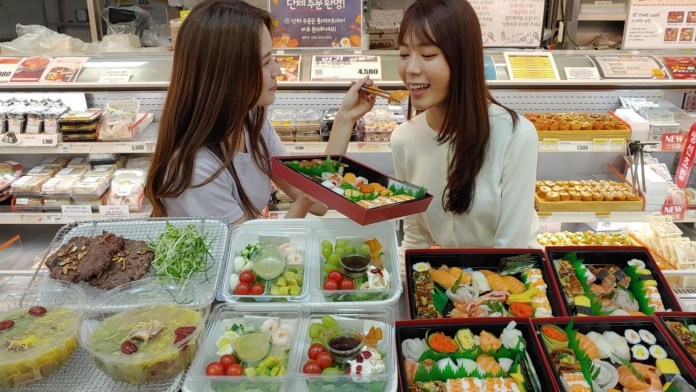
Foreign Residents Are Joining the Trend
Many foreigners initially visit Korea expecting barbecue and street food but are surprised by how easy it is to find lighter meals.
Over time, some begin adopting the same habits as Korean consumers ordering poke for lunch, buying protein drinks at convenience stores, or choosing a salad before going to the gym.
Korean healthy food feels familiar because it uses vegetables, grains, and protein, but local sauces and ingredients give it a distinct identity.
Ultimately, Korea’s salad boom is about more than dieting. It reflects a wider change in how people approach food: they want meals that are healthy, filling, flavorful, and convenient.
In Korea, salad has moved from the side of the plate to the center and become a normal part of everyday life.
- HOT NEWS
- PTCL Group Leadership Meets FinVolution at MWC Shanghai 2026 to Explore Credit Technology for Financial Inclusion in Pakistan
- Why Foreigners Are Surprised by Korea’s Club Culture: Same Word, Different Meaning
- Asia Pacific Enterprise Awards (APEA) 2026 Regional Edition Forges Legacies with Trailblazers Across Asia
- Timed with the Canton Fair, Connexion ShenZhen 2026 Unveils Major Fourth-Edition Upgrades as a Greater Bay Area Mega Sourcing Event
- Kihyun releases band live video of title track "So Good" from new work "BORDERLINE" after 3 years and 9 months



허블 정보
Copyright © 2017 Huvle All Rights Reserved
admin@huvle.com