
Untranslatable Korean Words That Capture Cultural Essence
Some Korean words can be translated, but their true meaning only becomes clear after living in Korea.
For many international fans, learning Korean starts with K-dramas or K-pop. But before long, they discover something surprising: some of the language’s most fascinating words don’t have perfect English equivalents.
You can look them up in a dictionary, but the translation often misses the emotion, culture, or social meaning behind them.
Here are three Korean words that foreigners say are almost impossible to translate and impossible not to love.
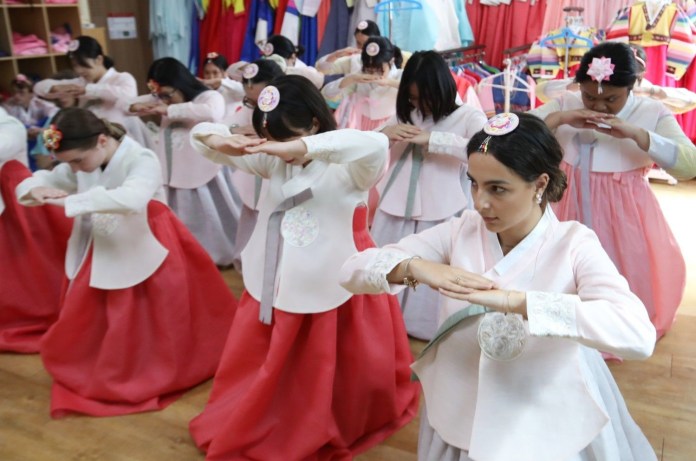
1. Nunchi (눈치): Reading the Room
One of the first uniquely Korean concepts many foreigners encounter is nunchi.
It loosely refers to the ability to read a situation, understand other people’s feelings, and know how to respond appropriately. While English has expressions like “reading the room” or concepts such as emotional intelligence and social awareness, none fully capture what nunchi means in everyday Korean life.
In Korea, someone with good nunchi quickly senses the atmosphere and adjusts accordingly, while someone without it may unintentionally make social situations awkward.
Many foreigners living in Korea say that understanding nunchi helped them understand Korean culture just as much as learning the language itself.
2. Jeong (정): A Bond That Grows Over Time
Another word that often leaves learners searching for better translations is jeong.
It’s more than affection, friendship, or love. Instead, jeong describes the deep emotional bond that develops naturally over time through shared experiences and everyday care.
Foreign residents often say they first understood jeong when neighbors shared homemade food, a restaurant owner offered an extra side dish, or someone showed unexpected kindness without expecting anything in return.
Rather than a single emotion, jeong reflects the quiet connections that build relationships over time.

3. Aegyo (애교): More Than Being Cute
Unlike nunchi and jeong, aegyo has already entered the international K-pop vocabulary.
Fans around the world often use the Korean word because there’s no English equivalent that fully captures its meaning.
Aegyo isn’t simply acting cute. It combines tone of voice, facial expressions, gestures, and playful behavior to express affection or make interactions feel warmer and more endearing.
Many international viewers admit they found it confusing at first in K-dramas and variety shows. But after becoming more familiar with Korean culture, they began to understand why it’s such a recognizable part of everyday communication.
Language That Reflects Culture
What makes these words so memorable isn’t just that they’re difficult to translate.
Each one reveals something about Korean society.
Nunchi reflects social awareness and consideration for others. Jeong highlights long-lasting emotional connections. Aegyo shows a unique way of expressing warmth and affection.
For many foreigners, learning Korean eventually becomes about more than vocabulary or grammar. It’s about understanding the cultural ideas hidden inside the words themselves.
Perhaps that’s why some of the most beloved Korean words are also the ones that English can never fully explain.
- HOT NEWS
- LONGi Makes S&P Global Energy Premier List of Tier 1 Cleantech Companies 2026
- OCEAN RWA FINANCE, SYMPHONY DIGITAL ASSETS AND ALPHA JAGUAR CAPITAL ESTABLISH EARLY BLUEPRINT FOR TOKENISED PRIVATE CREDIT SECONDARY MARKETS ON AVALANCHE
- De Tomaso Advances Next-Generation V12 Programme with Italtecnica
- Why Foreign Women Are Surprised by Korea’s Everyday Feminine Care Culture
- Timed with the Canton Fair, Connexion ShenZhen 2026 Unveils Major Fourth-Edition Upgrades as a Greater Bay Area Mega Sourcing Event



허블 정보
Copyright © 2017 Huvle All Rights Reserved
admin@huvle.com