
Why Foreigners Are Surprised by Korea’s Watermelon Juice, Tomato Drinks and Milk Sodas
Korean cafés and convenience stores are full of drinks that look colorful, creative, and fun. But for many foreigners, some of the most popular Korean beverages can also feel confusing at first. Watermelon becomes a juice, tomato becomes a sweet drink, and milk meets carbonation in a can of Milkis.
For foreigners living in Korea, drink culture can become one of the most unexpected parts of daily life. Korea does not treat beverages as something simple or fixed. Drinks change with the season, trends, convenience store releases, café menus, and even social media aesthetics.
Strawberry lattes, sweet potato lattes, black sesame drinks, corn-flavored beverages, fruit ades, yogurt sodas, and limited-edition convenience store drinks all show how experimental Korea can be with beverages.
At first, this creativity feels exciting. But some drinks are so unfamiliar that foreigners cannot help asking, “People really drink this?”
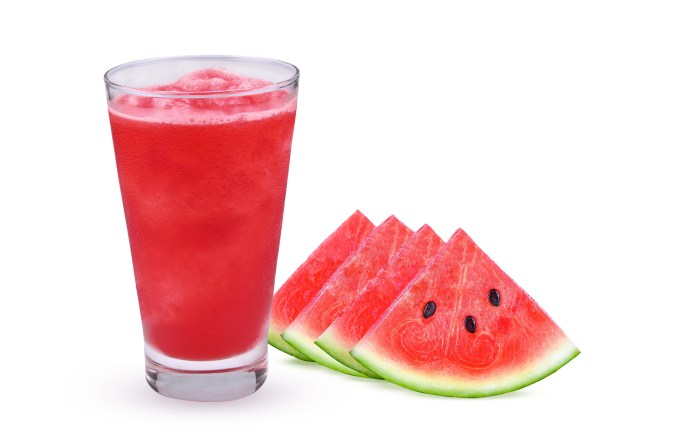
Watermelon Is Usually Eaten, But Korea Drinks It
One of the first surprises for many foreigners is watermelon juice.
In Korea, watermelon juice appears everywhere in summer. Cafés, juice shops, and dessert stores sell bright red cups filled with blended watermelon and ice. It looks refreshing, pretty, and perfectly made for hot weather.
But for someone from Romania or other parts of Europe, watermelon is usually something people eat, not drink.
In many European countries, watermelon is served in large slices at home, at a picnic, or at the beach. It is already full of water and sweetness, so the idea of blending it into a drink and buying it in a cup can feel unusual.
The first reaction may be, “Why not just eat the watermelon?”
But after experiencing Korean summer, the logic becomes easier to understand. Korea has a strong grab-and-go drink culture. People often buy beverages while walking, commuting, shopping, or taking a break at a café.
In that context, watermelon becomes more than a fruit. It becomes a portable summer refreshment.
Tomato Juice Can Feel Even Stranger
If watermelon juice feels surprising, tomato juice can feel even more confusing.
In many European food cultures, tomatoes are usually treated as a savory ingredient. They are used in salads, sauces, soups, stews, pasta dishes, or eaten with cheese and bread. They belong to the meal, not the dessert table.
So when a Korean friend says, “I want tomato juice,” a foreigner may pause.
Of course, tomato juice exists in Europe too, but it is not always an everyday craving. For many foreigners, tomato still feels closer to cooking than drinking.
In Korea, however, tomatoes sometimes appear in a more fruit-like role. Cherry tomatoes may be included in fruit lunch boxes. Some people eat tomatoes with sugar. Tomato juice can be sold as a light, healthy drink.
This category shift is what makes it interesting.
The same tomato that feels like a salad ingredient in one country can become a sweet, refreshing beverage in another.\
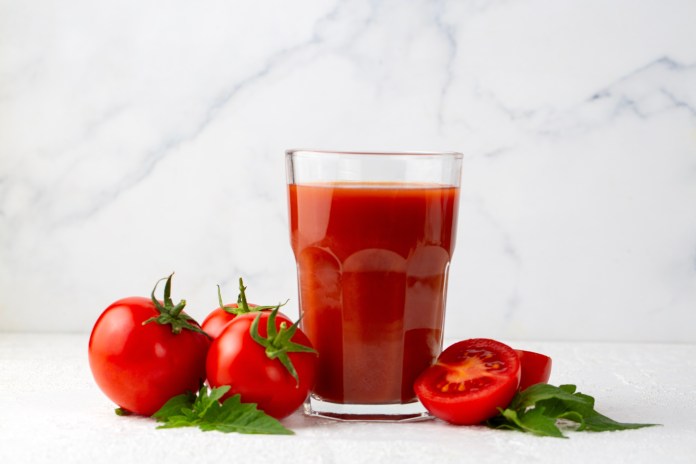
Korea Sometimes Treats Tomatoes Like Fruit
The surprise around tomato juice is not only about the drink itself. It reveals a bigger difference in food culture.
In Romania, tomatoes often sit next to cheese, meat, bread, or soup. Their acidity and freshness are part of savory meals.
In Korea, tomatoes can move between categories. They can be part of a salad, but they can also appear beside fruit, in juice, or with sugar.
For foreigners, this can feel slightly confusing. Is tomato a vegetable? A fruit? A snack? A drink?
The answer depends on the culture.
This is one of the reasons Korean food and drink culture feels so interesting to foreigners. Ingredients do not always stay in the category foreigners expect. Korea often reimagines them through taste, convenience, and seasonality.
Milkis: The Drink That Sounds Wrong But Works
Another unforgettable Korean drink for foreigners is Milkis.
At first, the concept sounds strange: a milk-flavored carbonated drink.
In many European countries, milk and soda belong to completely different categories. Milk is creamy and soft. Soda is fizzy and refreshing. The idea of putting those two feelings together can sound unusual, even suspicious.
Before trying it, many foreigners imagine it might taste heavy, strange, or overly sweet.
But Milkis often surprises them.
It is creamy but not too thick, sweet but not exactly like milk, fizzy but softer than regular soda. For some foreigners, it tastes like something between a yogurt drink and a carbonated soft drink.
That is why Milkis becomes memorable. It looks strange on paper, but once people try it, many admit that it is more enjoyable than they expected.
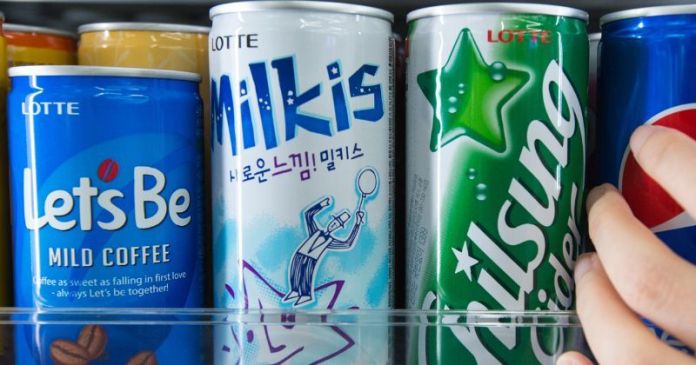
Korean Drinks Are Seasonal, Pretty, and Experimental
What makes Korean drink culture stand out is how quickly it changes.
In summer, cafés sell watermelon juice, plum ades, peach drinks, lemonades, and iced fruit beverages. In winter, menus shift toward sweet potato lattes, chestnut drinks, black sesame lattes, and warm seasonal flavors.
Convenience stores also release new drinks constantly. Some are based on fruits, some on desserts, some on nostalgia, and some on surprising combinations.
For foreigners, this is very different from beverage culture in many European countries, where drink menus can feel more stable. Coffee, tea, juice, soda, wine, beer, and mineral water remain familiar categories.
In Korea, drinks often feel like trends.
A beverage is not just something to drink. It can be cute, seasonal, photogenic, limited-edition, or connected to a viral moment.
Why These Drinks Become Culture Shock
The shock comes from expectation.
Foreigners think they know what watermelon, tomato, milk, and soda are supposed to be. Then Korea changes the format.
Watermelon is not a slice. It is a café drink.
Tomato is not only for salad. It can become juice.
Milk is not only smooth. It can sparkle.
At first, these combinations may seem strange. But they also show Korea’s willingness to play with familiar ingredients.
Korean beverage culture is creative because it is not afraid to mix categories. Dessert, fruit, dairy, soda, health drink, café menu, and convenience store product can all overlap.
The Weirdest Drinks Are Often the Most Memorable
For foreigners, Korean drinks can sometimes be confusing, but that is also what makes them fun.
A regular coffee may be easy to understand, but it is not always memorable. A watermelon juice on a humid Seoul afternoon, a tomato juice offered by a Korean friend, or a first sip of Milkis from a convenience store can become a story.
At first, foreigners may ask, “Why would anyone drink this?”
Later, they may find themselves buying the same drink again.
That is the charm of Korean beverage culture. It can feel unusual, but it rarely feels boring.
In Korea, drinks are not just about thirst. They are about season, convenience, creativity, and surprise.
And for foreigners, the drinks that seem the strangest at first often become the ones they remember the most.
- HOT NEWS
- Emergent Raises Series C at $1.5 Billion Valuation, Becomes Unicorn in a Year of Launch
- Bluestaq Launches BLUESTAQ / ARQ in Australia
- Initiative on Joint Promotion of World Cultural Heritage Launched in Chongzuo, China
- CSTS Enterprises And Connexus Travel Team Up With Sichuan Airlines Launch Exclusive World Cup-Themed Flights
- Understanding Korean Texting: Emoticons and Laughter Explained



허블 정보
Copyright © 2017 Huvle All Rights Reserved
admin@huvle.com