
Exploring Korea’s Unique Room Rental Celebration Culture
In many countries, birthdays, reunions, and holiday gatherings usually happen at someone’s home.
In South Korea, however, many people celebrate somewhere else.
Instead of inviting dozens of friends into their apartment, Koreans often reserve a private party room, karaoke room, board game café, or rental space for a few hours. For many foreigners, the idea of renting an entire room just to celebrate a birthday or spend time with friends feels surprisingly normal after living in Korea, but at first it often comes as a culture shock.
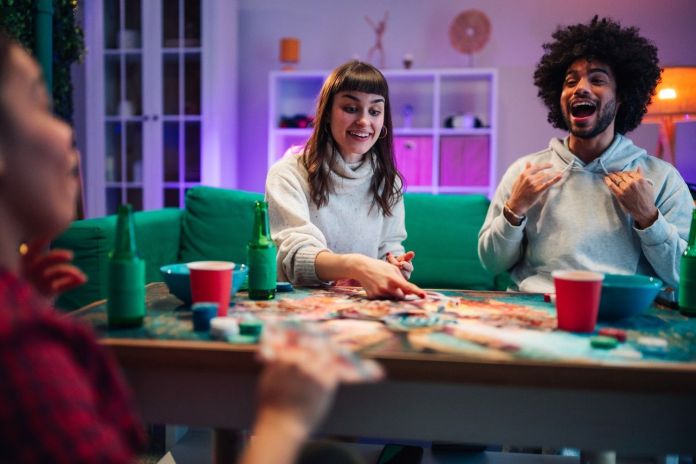
Celebrations happen outside the home
Ask a foreign resident where to host a birthday party, and many are surprised when Koreans immediately recommend searching for a party room instead of offering their own home.
Across Korea, thousands of private rental spaces can be booked by the hour. Some include projectors, speakers, kitchen facilities, game consoles, photo zones, and decorations. Others are designed for small gatherings of six to ten people, while larger venues accommodate company dinners or graduation celebrations.
For many Koreans, renting a space for a few hours is simply the easiest option.
Why not just invite everyone home?
One reason is practical.
Compared with many Western countries, apartments in Korea are often relatively compact, particularly for students and young professionals living alone or in officetels.
Inviting ten or fifteen people into a studio apartment simply isn’t realistic. Renting a private room allows everyone to gather comfortably without worrying about limited space. Researchers studying Korean café culture have also described cafés and similar commercial spaces as important “third places” that extend social life beyond the home.
For many young adults, socializing outside the home has become a normal part of everyday life.
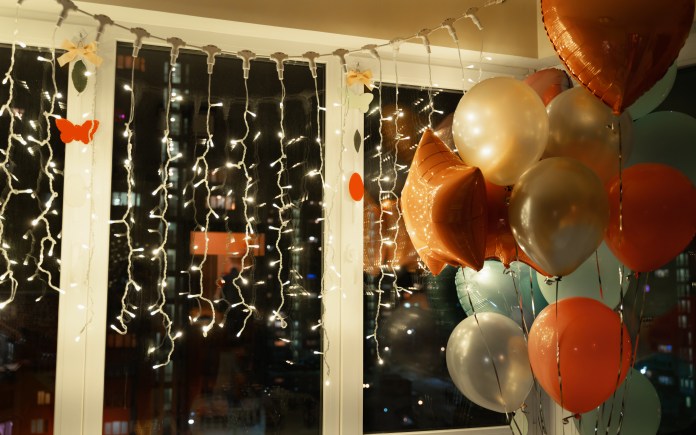
Korea is a country of rooms
Visitors soon notice that this idea extends far beyond parties.
Instead of one large public venue, Korea offers countless specialized rooms that can be rented for different activities.
Friends sing together in noraebang (karaoke rooms). Students gather in study rooms. Groups play in board game cafés with private rooms. Families relax in private areas at some restaurants. Even golf, screen baseball, and virtual sports are often enjoyed in enclosed spaces.
The Korea Times recently described South Korea as “a culture of rooms,” explaining that many aspects of modern Korean social life happen in spaces rented by the hour rather than inside private homes.
Privacy without the responsibility
Many foreigners say another appealing aspect is convenience.
There is no need to spend hours cleaning the house before guests arrive or washing dishes after everyone leaves. The venue provides tables, seating, music equipment, and often decorations.
Once the reservation ends, guests simply leave.
For busy students and office workers, renting a room can actually require less effort than hosting people at home.
Even fan celebrations happen in rented spaces
The idea of temporarily transforming a commercial space into a celebration has become especially visible through Korea’s famous birthday café culture.
Instead of throwing parties at home, K-pop fans frequently rent entire cafés and decorate them with photos, banners, themed drinks, and exclusive merchandise to celebrate an idol’s birthday. What began within K-pop fandom has expanded to actors, athletes, and even fictional characters.
For international visitors, these events often become one of the most uniquely Korean experiences during their trip.
Foreigners quickly adapt
Online communities for expatriates regularly recommend party rooms to newcomers planning birthdays or social gatherings. Many foreigners who initially expected to host friends at home discover that booking a private venue is often simpler, more comfortable, and avoids disturbing neighbors.
Some even admit they wish similar spaces existed in their own countries.
A different way of bringing people together
To many visitors, Korea’s room rental culture reflects a broader approach to urban living.
Limited residential space, dense cities, and a highly developed network of specialized venues have encouraged people to socialize beyond their own homes.
Rather than asking, “Whose house are we going to?”
In Korea, the question is often, “Which room should we book?”
- HOT NEWS
- JianLiBao Becomes Exclusive Title Sponsor of the Around the Island Race -Coastal Rowing
- thingnario Partners with Upgrade Energy Philippines (UGEP) to Power 1GW Solar Pipeline with AI-Driven Energy Management System
- NYSE Content Update: AdvanCell Raises $315 Million to Fight Prostate Cancer
- 11:11 Systems Announces Strategic Partnership with Cato Networks to Deliver SASE Solution for Distributed Enterprises
- Share buybacks in Ericsson during the period July 13 - July 17, 2026



허블 정보
Copyright © 2017 Huvle All Rights Reserved
admin@huvle.com