
Why Foreigners Are Amazed by Seoul’s Small Everyday Conveniences
Many foreigners expect Seoul to be impressive because of its fast internet, subway system, delivery apps, and skyscrapers. But after living in the city, some of the most surprising things are much smaller: a warm bus stop seat in winter, shade at a crosswalk in summer, or traffic lights built into the ground.
For people visiting or moving to Korea, Seoul is often described as a fast and efficient city. Public transportation is connected, cafés are everywhere, payments are easy, and daily services move quickly.
But what can feel even more impressive is how many small details are designed around everyday discomfort.
To foreigners, these small pieces of urban design can feel unexpectedly thoughtful. They are not dramatic tourist attractions. They are simple public conveniences that make daily life a little easier.
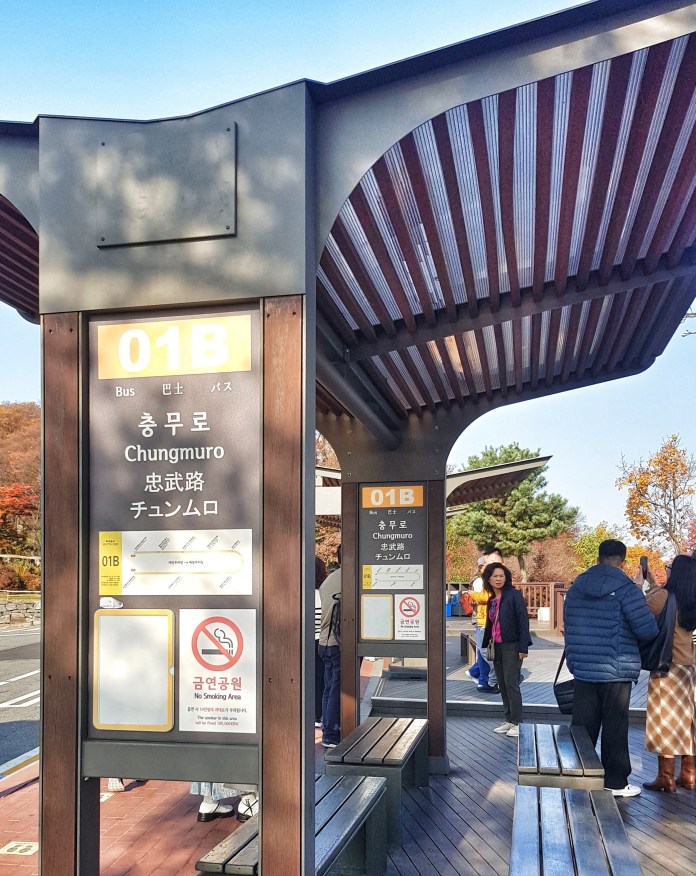
Heated Bus Stop Seats Feel Like a Small Miracle
One of the first things that surprises foreigners in winter is the heated bus stop seat.
Korean winters can be much colder than expected. Waiting outside for a bus, even for a few minutes, can feel uncomfortable when the wind is sharp and the temperature drops. Then a foreigner sits down at a bus stop and realizes the seat is warm.
For many, the reaction is immediate: “They even thought of this?”
In many European cities, a bus stop is simply a place to wait. If it is cold, people stand in thick coats, move around to stay warm, or wait inside a nearby building if possible.
In Seoul, however, some bus stops feel like they have been designed with the actual experience of waiting in mind.
A heated seat may seem like a small thing, but on a freezing day, it can feel like the city is quietly taking care of people.
Crosswalk Shade Makes Summer More Bearable
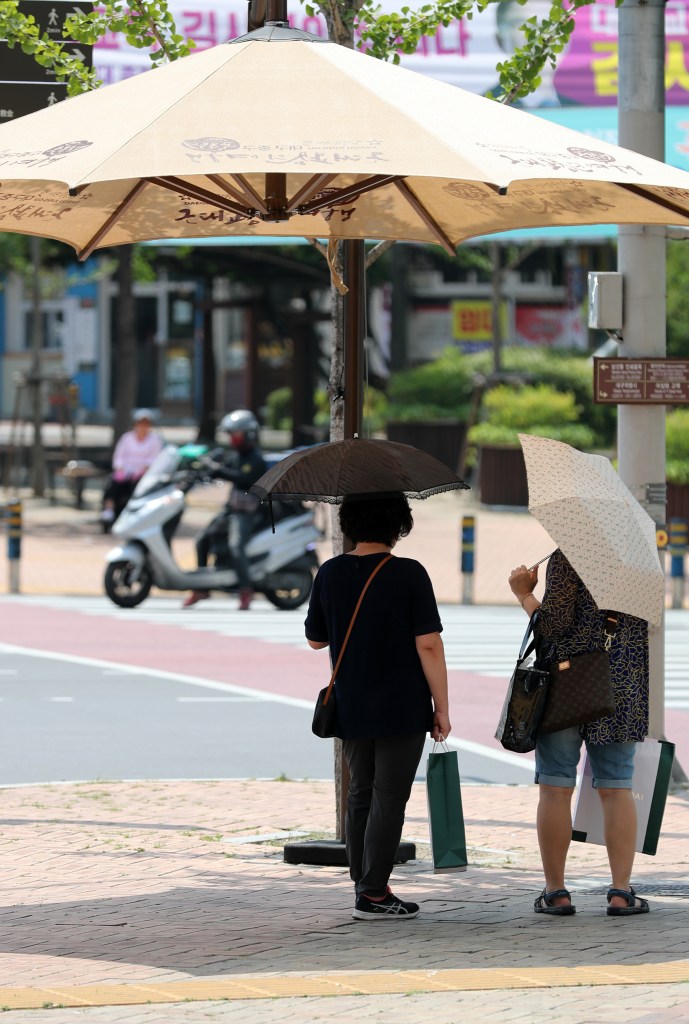
If heated seats are a winter surprise, crosswalk shade structures are the summer version.
Korean summers are hot and humid, and standing under direct sunlight while waiting for the traffic light can feel surprisingly exhausting. That is why many foreigners are impressed when they see large umbrella-like shade structures near crosswalks.
At first, they may look like decorations. But their purpose is simple: to give pedestrians a place to stand while waiting for the light to change.
For foreigners from places where people are expected to simply endure the sun, this feels very practical. Seoul does not only tell people to be careful in summer heat. It physically creates shade where people need it most.
The idea is small, but the effect is real.
A few seconds or minutes out of direct sunlight can make city life feel much more manageable.
Ground Traffic Lights Feel Very Korean
Another detail that surprises foreigners is the LED traffic light installed on the ground near some crosswalks.
At first, it can feel futuristic. Then it begins to feel very realistic.
Many people walk while looking at their phones. Of course, the safest thing is to look up and check the traffic signal properly. But Seoul seems to recognize how people actually behave, not just how they should behave.
Ground-level lights help pedestrians notice signal changes even when their eyes are lowered. They can be especially visible at night or in crowded areas.
For foreigners, this can feel like a very Korean kind of solution: practical, technology-based, and designed around real human habits.
In some places abroad, the response might simply be, “Do not look at your phone while walking.” Seoul’s approach feels different. It seems to say, “People already do this, so let’s reduce the risk.”
Seoul’s Convenience Is Impressive Because It Is So Practical
The surprising thing about Seoul is that its convenience is not only found in big systems.
Yes, the subway is efficient. Yes, delivery is fast. Yes, digital payments are easy. But the small conveniences often leave the strongest impression because they appear in ordinary moments.
Waiting for a bus. Standing at a crosswalk. Walking home with a phone in hand. Trying to survive winter wind or summer heat.
These are not special occasions. They are daily life.
That is why foreigners often remember these details. They show that the city has noticed small discomforts and tried to reduce them.
Small Details Can Change the Whole Feeling of a City
A heated chair does not transform an entire winter. A shade umbrella does not remove summer heat. A ground traffic light does not solve every safety issue.
But together, these details change how a city feels.
They make daily life slightly less tiring. They show that public space is not only about roads, buildings, and transportation, but also about the people who stand, wait, walk, and move through it every day.
For foreigners, this is one of Seoul’s most unexpected charms.
The city is not only fast. It is also surprisingly attentive.
Why Foreigners Remember These Small Conveniences
Foreigners may arrive in Korea expecting technology, K-pop, food, shopping, and modern city life. But after living in Seoul, they often remember much smaller scenes.
Sitting on a warm bus stop bench in the middle of winter. Standing under a crosswalk shade on a humid summer afternoon. Seeing the traffic light glow at their feet.
These moments are not dramatic, but they are deeply practical.
They make foreigners think, “Why doesn’t my country have this?”
That is why Seoul’s everyday conveniences can feel so impressive. They are not made for tourists. They are made for ordinary people living ordinary days.
And sometimes, the most advanced thing about a city is not how tall its buildings are.
It is how carefully it notices the small discomforts of daily life.
- HOT NEWS
- Envision Named to S&P Global Tier 1 Cleantech Companies List for the Second Consecutive Year
- RSPO Launches New Guidance to Leverage Sustainable Palm Oil Certification for IFRS® Sustainability Disclosure Standards
- Grand Park City Hall Launches Grand Escape Sale as Singapore's Event Calendar Drives Early Travel Planning
- Understanding South Korea’s Unique Coupon Culture Explained
- 'Spider-Man: Brand New Day' pre-sales surpass 310,000... Ranked number one in pre-sales for 4 consecutive days


허블 정보
Copyright © 2017 Huvle All Rights Reserved
admin@huvle.com