
Must-Try Korean Desserts for International Travelers
From chewy rice cakes to fluffy salt bread, these sweet treats are becoming must-try experiences for travelers visiting South Korea.
For years, Korean food tourism was largely defined by barbecue, fried chicken, kimchi, and spicy street food. Desserts were often an afterthought.
That has changed dramatically.
Thanks to social media, K-dramas, and café culture, Korean desserts have become attractions in their own right. Instead of simply ending a meal with something sweet, many international visitors now build entire café-hopping itineraries around desserts they have discovered on TikTok, Instagram, Xiaohongshu, and YouTube.
While bingsu remains Korea’s most famous dessert, today’s travelers are discovering a much wider world of Korean sweets many of which were almost unknown outside the country just a few years ago.
Salt Bread: Korea’s Surprisingly Addictive Bakery Star
One of the biggest bakery trends among foreign visitors isn’t actually a cake.
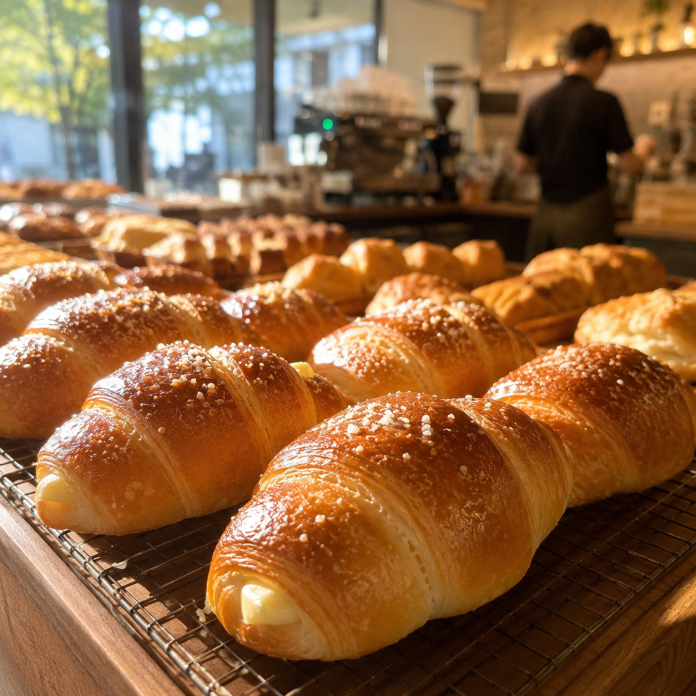
It is salt bread (소금빵).
With its crisp golden crust, buttery center, and light sprinkle of sea salt, salt bread has become one of Korea’s most photographed bakery items. The combination of sweet butter and savory salt creates a flavor that many tourists describe as surprisingly addictive.
Popular bakeries often sell out within hours, and visitors frequently line up before opening just to buy freshly baked batches.
Unlike overly sweet pastries, salt bread appeals to travelers looking for something lighter that pairs perfectly with coffee.
Bingsu Has Become More Luxurious Than Ever
Patbingsu may be a traditional Korean dessert, but modern cafés have transformed it into an entirely new experience.
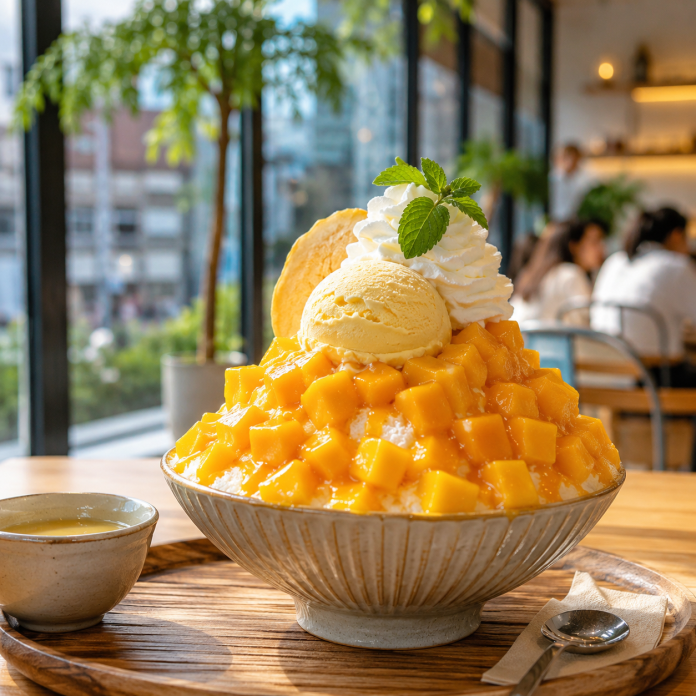
Today’s bingsu comes topped with premium mangoes, Korean strawberries, matcha, cheesecake, pistachios, tiramisu, and even entire slices of cake.
Luxury hotel cafés have elevated bingsu into a seasonal specialty, while neighborhood dessert cafés continue experimenting with creative flavors that quickly spread across social media.
For many tourists, trying Korean bingsu during the summer has become almost as essential as visiting Gyeongbokgung Palace.
Yakgwa Is Making an Unexpected Comeback
One of the most surprising dessert trends is the revival of yakgwa, a traditional Korean honey cookie that dates back centuries.
Once viewed as a dessert mainly enjoyed during holidays or ancestral ceremonies, yakgwa has found an entirely new audience among younger Koreans and international visitors.
Modern cafés now incorporate yakgwa into ice cream, cheesecakes, croffles, and cream-filled pastries, giving the traditional sweet a contemporary makeover that has attracted millions of views online.
For travelers looking to taste both Korean history and modern café culture in one bite, yakgwa has become a must-try.
Korean Mochi Desserts Are Winning Global Fans
Soft, chewy textures are becoming increasingly popular worldwide, and Korean desserts fit that trend perfectly.
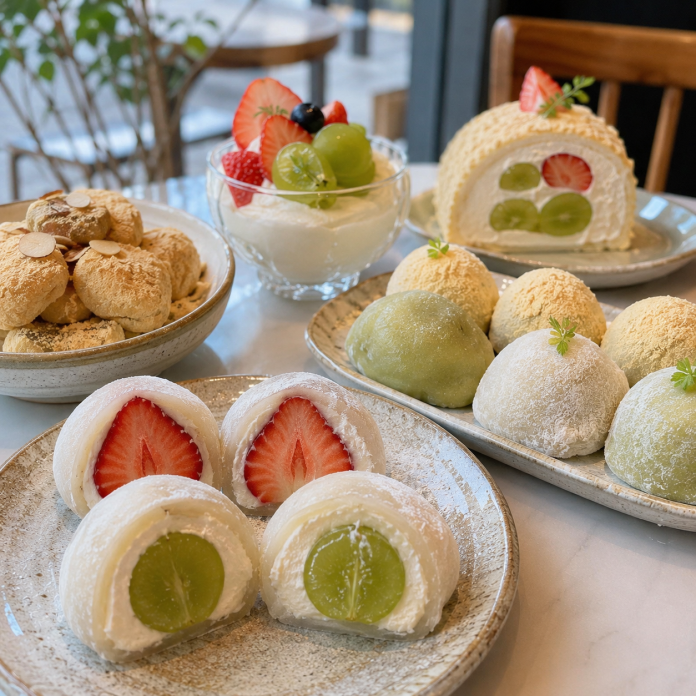
Injeolmi rice cakes coated with roasted soybean powder, fruit-filled mochi, cream mochi, and glutinous rice desserts have become favorites among visitors who enjoy chewy textures that differ from Western pastries.
Many cafés now combine traditional rice cakes with whipped cream, ice cream, and fresh fruit, creating desserts that feel both familiar and distinctly Korean.
Tanghulu Is Still Everywhere
Although tanghulu originated in China, Korea has transformed it into one of its biggest dessert crazes.
Rows of glossy strawberries, grapes, tangerines, and shine muscat grapes coated in a thin layer of hardened sugar have become a common sight in tourist neighborhoods such as Myeongdong, Hongdae, and Seongsu.
The satisfying crack of the sugar shell has helped tanghulu become one of the most recognizable food trends on TikTok, with countless visitors filming their first bite.
Convenience Store Desserts Have Become Souvenirs
Not every popular Korean dessert comes from a famous café.
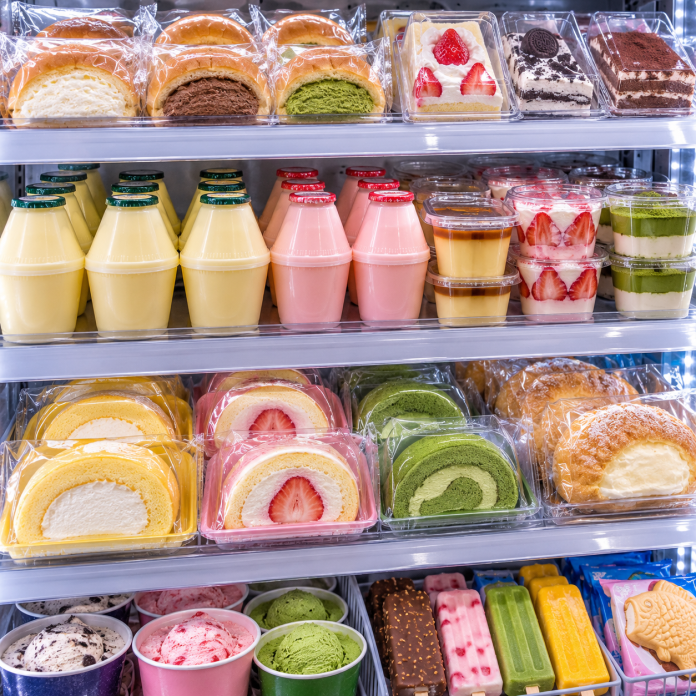
Convenience stores have become destinations for travelers searching for cream-filled bread, melon-flavored snacks, sweet milk drinks, premium ice cream bars, and limited-edition desserts that frequently go viral online.
Many visitors even dedicate part of their trip to trying seasonal convenience store desserts that cannot easily be found overseas.
Dessert Cafés Are Becoming Tourist Attractions
Perhaps the biggest trend is not a single dessert but the experience itself.
Korea’s café culture has become one of the country’s biggest attractions, with dessert cafés designed around beautiful interiors, seasonal menus, and photogenic presentation.
Many tourists now spend entire afternoons café hopping through neighborhoods like Seongsu, Ikseon-dong, Yeonnam-dong, and Hannam, where every café offers a different signature dessert and atmosphere.
For many travelers, visiting these cafés is no longer just about eating something sweet—it has become an essential part of experiencing modern Korean lifestyle.
More Than a Sweet Treat
The growing popularity of Korean desserts reflects a broader change in the country’s food culture.
Visitors are no longer looking only for famous restaurants or traditional dishes. They want experiences they can share, photograph, and remember.
Whether it is biting into a warm salt bread fresh from the oven, sharing a towering bowl of mango bingsu with friends, tasting a centuries-old yakgwa reimagined for modern cafés, or discovering a new dessert inside a convenience store, these sweets have become part of the reason millions of travelers keep returning to South Korea.
Today, Korean desserts are no longer simply the end of a meal.
For many international visitors, they have become the destination itself.
- HOT NEWS
- Dinto Solar's HJT Modules Gain India BIS CRS Registration Amid Rising Demand for Higher-Value Solar Solutions
- Gimjaban: From Korean Side Dish to Global Crunchy Topping
- Yoon Han lives separately from his three children due to interior construction... Reveals update on 'two-house living'
- 50 Years of Vinamilk: Vietnam Recognizes Anniversary with Second Labor Hero Title
- So Ji-sub, a life character as 'Manager Kim'... ended with a highest viewership rating of 23.1%



허블 정보
Copyright © 2017 Huvle All Rights Reserved
admin@huvle.com