
How BTS Transformed Concerts into Citywide Cultural Festivals
For most touring artists, the city surrounding a stadium serves a practical purpose. Fans arrive, find accommodation, attend the concert and leave. A BTS tour stop increasingly operates according to a different model.
During the ARIRANG World Tour, fans visiting New York could customize their light sticks at the Korean Cultural Center, collect digital stamps around the city, visit a BTS pop-up, take themed photographs and try special menus at participating restaurants. In London, concertgoers could view costumes from BTS’s historic Wembley Stadium performance, explore a Korean cultural market and visit restaurants participating in a weeklong city program. Busan offered drone displays, museum installations, beach activities, yacht tours and specially designed tourism routes.
The performance remained the emotional center, but the city itself became an extension of the show.
This is the idea behind BTS THE CITY, HYBE’s project connecting tour dates with local landmarks, restaurants, transportation, hotels, exhibitions and fan spaces. What began as an ambitious addition to BTS’s 2022 Las Vegas concerts has developed into a repeatable model for turning a stadium tour into something closer to a traveling cultural festival.
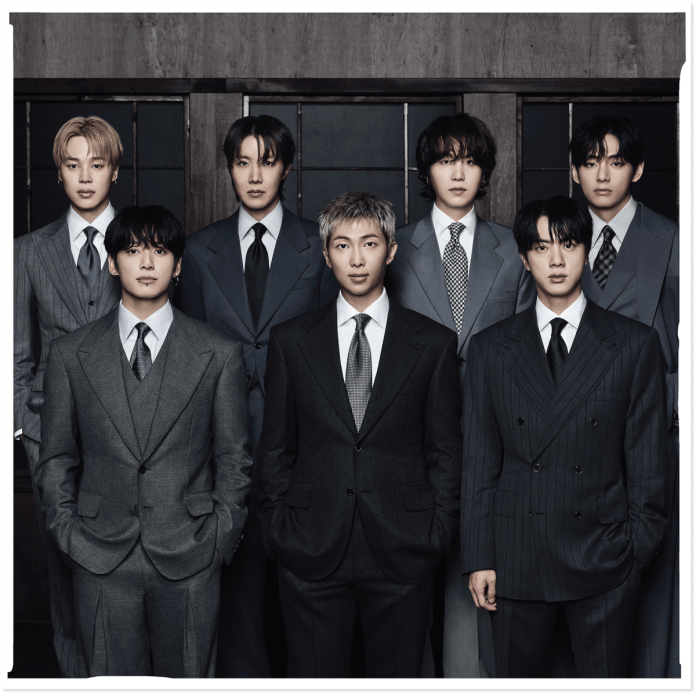
The concert experience now begins before the concert
A stadium performance gives tens of thousands of fans the same experience at the same time. THE CITY expands that experience across several days and allows each visitor to create a different route.
For the New York program, which ran from July 24 through August 3, the official itinerary included an ARMY madang, or community space, at the Korean Cultural Center New York. Fans could customize their light sticks, create stickers and participate in activities connected to BTS’s music and messages.
A stamp rally encouraged visitors to move between the stadium and locations throughout the city. Top of the Rock hosted a themed takeover, while pop-ups, photography studios, bakeries, Korean restaurants and ice-cream stores joined the program. The official Weverse announcement listed participating businesses across Manhattan, Brooklyn, Queens and East Rutherford.
The stamp rally is especially important to the design. Instead of keeping fans in one official venue, it transforms movement around the city into part of the event. A bakery, museum or cultural center becomes another stop in the BTS experience, while the completed digital collection provides a record of the journey.
For international ARMY, many of whom travel long distances for concerts, this gives the trip a structure beyond the show date. The destination is no longer simply MetLife Stadium. It is a temporary network of places connected by the same music and fandom.
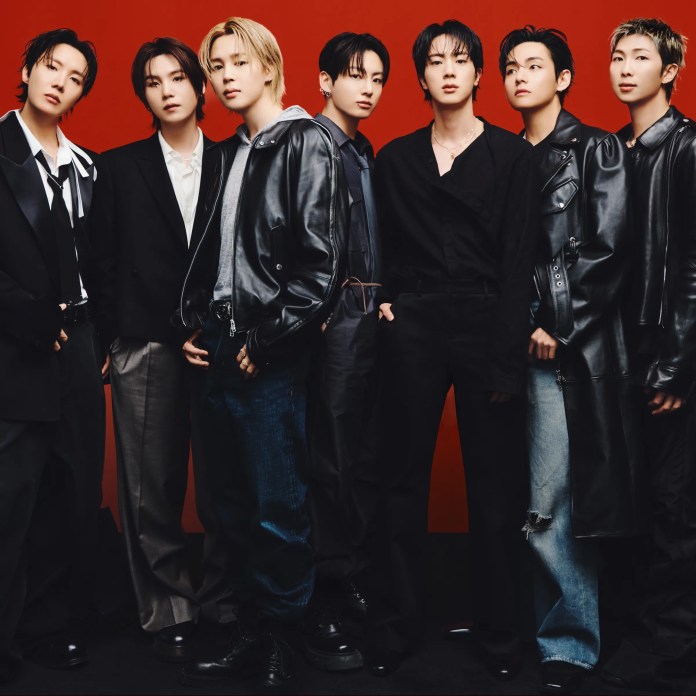
Each city adds something of its own
The project does not look identical everywhere. Its most effective programs combine BTS’s identity with experiences already associated with the host city.
In Las Vegas, that meant using the city’s entertainment infrastructure. The ARIRANG program included welcome parties, after-parties, themed menus, photo opportunities at the Bellagio and a specially decorated monorail. Major landmarks and hotels turned red after the concerts, reflecting the visual identity of the album era.
The Las Vegas Convention and Visitors Authority promoted the event as a destination-wide experience, with participating restaurants creating special dishes and drinks. The official tourism guide encouraged visitors to use the themed monorail, visit the red landmarks and explore food collaborations between concert dates.
London offered a different interpretation. The Korean Cultural Centre UK displayed stage outfits from BTS’s 2019 Wembley performance, connecting the group’s present tour to one of its most important British milestones. An ARMY gathering space, a Nike collaboration and the JUNG festival introduced interactive activities alongside Korean food and independent businesses.
Busan used its coastal landscape. A drone show took place around Gwangan Bridge, while Haeundae Beach hosted fan activities and photography events. The itinerary also included the Busan Cinema Center, Arte Museum, city tours, local cafés, fish-cake shops and Haeundae’s tourist attractions. HYBE’s Busan program effectively turned sightseeing into an extension of the concert weekend.
These differences prevent THE CITY from feeling like the same branded pop-up transported between countries. The recognizable BTS elements remain, but their presentation changes according to the destination.
Korean culture becomes part of the fan journey
The programs also function as informal introductions to Korean culture. In New York and London, Korean cultural centers were not peripheral partners but central gathering places. Korean restaurants, bakeries and markets appeared beside global brands and major tourist attractions.
For some visitors, a BTS concert may provide their first reason to enter a Korean cultural institution, order a particular Korean dish or explore a neighborhood’s Korean businesses. The music creates the initial motivation, but the surrounding experience can extend beyond BTS.
This relationship is particularly visible in the choice of the word madang. In Korean, the term traditionally refers to a courtyard or open communal space. Using it for an ARMY venue positions the gathering as a place for participation rather than passive consumption.
Similarly, the London collaboration with the JUNG festival introduced the Korean idea of jeong, a form of affection and connection accumulated through shared experience. Those concepts align naturally with the communal identity BTS and ARMY have developed over more than a decade.
ARMY helps produce the festival atmosphere
Not every meaningful activity is organized by HYBE or a commercial partner. Fans create their own gatherings, charity projects, merchandise exchanges and commemorative events around each performance.
At BTS’s August return to MetLife Stadium, one fan-led project distributed 50,000 symbolic flowers connected to healing and the emotional journey between BTS and ARMY. Cosmopolitan’s report described how the initiative became part of the reunion atmosphere surrounding the shows.
These projects distinguish a fandom-driven city experience from a conventional promotional campaign. HYBE may provide the official map, but fans fill the space between scheduled events. They recognize one another through clothing and accessories, exchange handmade items and turn queues or café visits into opportunities for connection.
The result is a festival without one enclosed festival ground. Its participants identify one another across public transportation, restaurants, shopping districts and tourist sites.
The economic impact reaches beyond ticket sales
A citywide concert naturally distributes spending more widely than a stadium-only event. Traveling fans require hotels, meals and transportation, while multi-day activities encourage them to stay longer and visit more locations.
The Las Vegas Convention and Visitors Authority made a preliminary estimate that BTS’s four concerts and related THE CITY activities generated more than $340 million in economic impact. The calculation was based on several assumptions and ticket counts, and officials had not finalized the visitation data when Forbes reported the estimate. It should therefore be understood as an industry projection rather than an audited final figure.
The broader pattern, however, is clear. Participating cafés, restaurants, hotels, museums and retailers can benefit from visitors who might otherwise travel only between their accommodation and the stadium.
That commercial scale also deserves some perspective. Many activities require reservations, purchases or separate admission, while limited products can sell out quickly. THE CITY is both a cultural experience and a carefully constructed entertainment business. Its success depends on making commercial participation feel connected to a larger memory rather than a series of unrelated sales opportunities.
A new definition of a world tour
BTS did not invent concert tourism, pop-up stores or fan gatherings. What distinguishes the group’s model is the way those elements are organized into a connected citywide narrative.
The album provides the visual identity. The host city contributes its landmarks and local culture. Korean institutions and businesses add another cultural layer, while ARMY creates the social energy that links everything together.
By the time BTS appears onstage, many fans have already spent days participating in the tour’s world. They have followed maps, collected stamps, met other ARMY, explored Korean culture and seen a familiar city temporarily transformed.
The stadium concert may be the reason everyone arrived, but it is no longer the entire event. For BTS and ARMY, the distance outside the stadium has become part of the stage.
- HOT NEWS
- Inakyung reveals refreshing and sophisticated visuals... Announces comeback with full-length album in July
- Solar showcases sophisticated charm in everyday life... reveals crop top and jeans styling
- Lee Ah-hyun, Confesses Three Marriages and Divorces... "If I Had Met My First Husband Again, I Wouldn't Have Divorced"
- Tencent Cloud Recognized as a Leader in Omdia's Global Cloud Platforms for Games 2026 Report for Second Consecutive Year
- On Time (9680.HK) Issues Profit Alert: Expects H1 2026 Revenue to Reach at Least RMB3.9 Billion, Up 132.6% YoY


허블 정보
Copyright © 2017 Huvle All Rights Reserved
admin@huvle.com