
So Ji-sub Reflects on Manager Kim Season 2 and the Lasting Pain of I’m Sorry, I Love You
So Ji-sub Has a Warning for Anyone Watching I’m Sorry, I Love You for the First Time
More than two decades after “I’m Sorry, I Love You” established So Ji-sub as one of Korean television’s defining melodrama stars, a new generation is discovering him through a very different kind of hero.
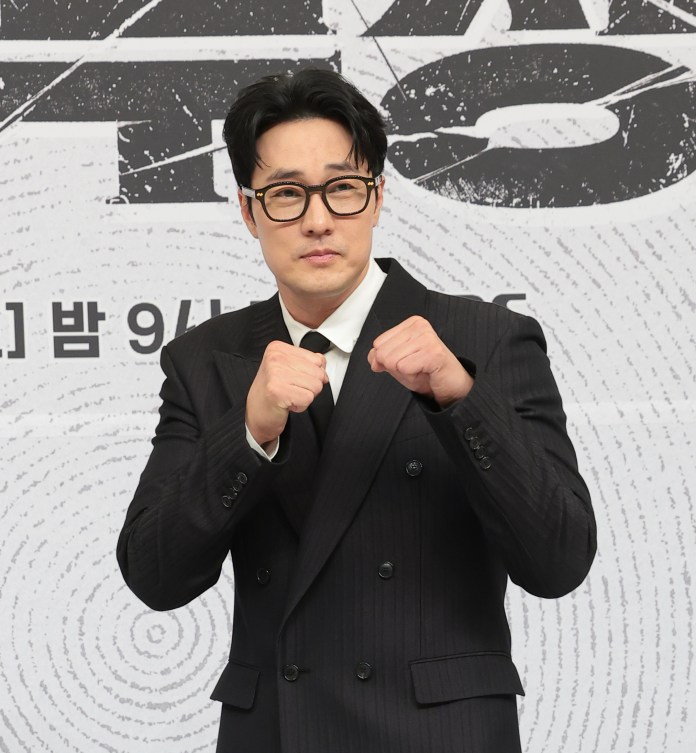
In an interview released by global media platform BoldPage on August 18, So reflected on the success of SBS action drama “Agent Kim Reactivated,” known in Korean as “Manager Kim.” He said many younger viewers had never seen his 2004 breakthrough drama, while the newer series reached a much broader range of age groups.
That shift is noticeable in how people address him. According to So, he is now frequently called “Manager Kim” instead of by his real name, a sign that the character has developed an identity of its own among viewers.
The comparison captures the unusual length of his career. For longtime K-drama audiences, So remains closely associated with Cha Moo-hyuk, the wounded hero of “I’m Sorry, I Love You.” For newer Netflix viewers, he is Kim Do-hyeon, an apparently ordinary father who reactivates his hidden skills when his daughter disappears.
Why Manager Kim Appealed to Him
Adapted from the webtoon “Manager Kim,” “Agent Kim Reactivated” follows a mild-mannered bank employee and single father who is secretly a former black-operations agent. After his teenage daughter is kidnapped, the restrained family man becomes a dangerous operative once again.
So explained that the project’s attraction was not simply its action. He was more interested in the protagonist’s history, the environment that shaped him and the emotional reasons behind his decisions.
That distinction is important to understanding his performance. The fight scenes provide the spectacle, but Kim’s devotion to his daughter gives the violence its dramatic purpose. The role also continues a pattern within So’s filmography: emotionally guarded men who become relentless when someone they love is threatened.
“I don’t intentionally seek them out, but I think I’m drawn to scripts like that,” he said of characters who protect others until the end. “I like not letting go and seeing something through.”
The series concluded on July 25 after reaching a nationwide ratings peak of 23.1 percent, according to Nielsen Korea figures reported by Korean media. It also reached international audiences through Netflix, introducing So’s action persona to viewers who may not know his earlier television work.
What So Ji-sub Wants From Season 2
A second season has not been officially confirmed. The production company said in July that it was positively discussing another installment but that no schedule or detailed production plan had been decided.
So’s new comments should therefore be understood as his personal hopes for the story, rather than confirmation of what Season 2 will contain.
The actor said he would prefer another central crisis connecting the entire season instead of a purely episodic structure. In the first season, the daughter’s disappearance provided that narrative spine.
He also suggested that Kim’s function could change as the drama’s wider universe develops, possibly allowing the character to work more actively as part of a team. “The universe is so large,” he noted.
The original webtoon exists within a shared fictional world connected to titles including “Lookism” and “Viral Hit.” That gives a potential television continuation room to introduce additional characters and relationships, although no such expansion has yet been officially announced.
His Playful Warning About I’m Sorry, I Love You
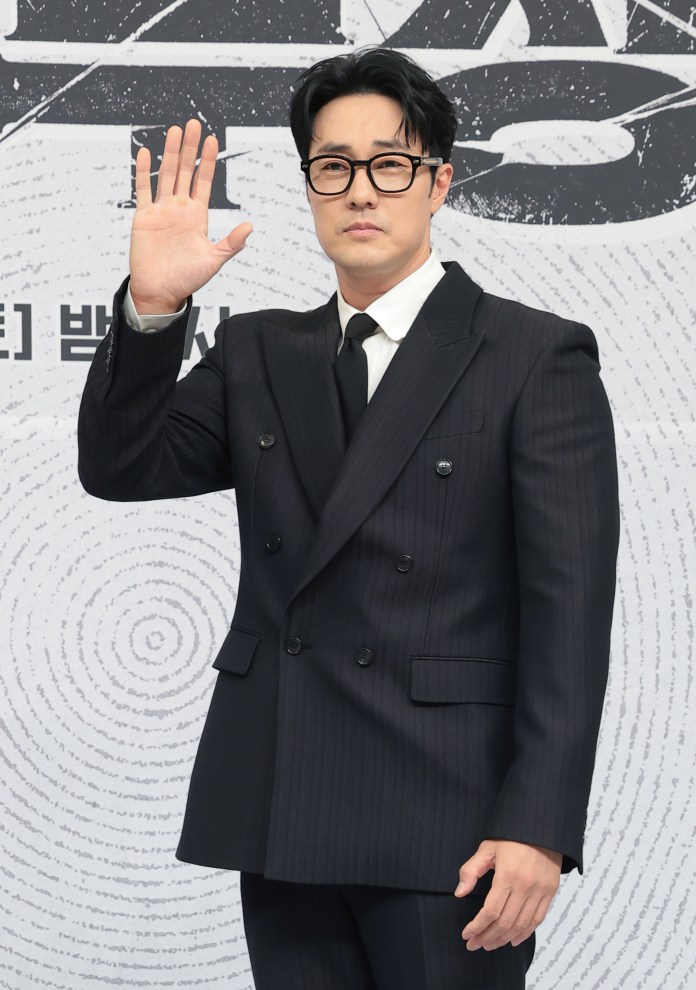
When the interview turned to “I’m Sorry, I Love You,” So appeared amused that international viewers continue to experience the same emotional impact despite differences in language and culture.
The 2004 KBS drama stars So as Cha Moo-hyuk, a Korean adoptee raised in Australia who returns to Korea while carrying deep emotional and physical wounds. His relationship with Song Eun-chae, played by Im Soo-jung, became one of the era’s most remembered tragic romances.
So offered first-time viewers a playful warning about the drama’s famously painful story.
“It is such a classic, and it has a sad ending,” he said. “It can be dangerous if you watch it at the wrong time. If you click on it carelessly, you might be sad for a while.”
The comment acknowledges what has kept the drama alive across generations. Its fashion and production style unmistakably belong to the early 2000s, but its emotional intensity still reaches viewers encountering it through streaming and international K-drama communities.
The Increasing Weight of a Three-Decade Career
So also spoke candidly about the less glamorous side of long-term fame. When asked about living as a widely recognized actor, he described it as “51 percent good and 49 percent difficult.”
He said the responsibility has become heavier as his career has progressed. A project’s failure does not affect only its leading actor, he explained, but can also hurt the many people involved and make it harder for other productions to receive investment in an already challenging market.
That perspective offers context for his careful approach to choosing roles. After three decades in entertainment, the challenge is no longer simply proving that he can lead a drama. It is finding something new after already showing audiences so many different versions of himself.
From the devastated Moo-hyuk of “I’m Sorry, I Love You” to the protective father of “Agent Kim Reactivated,” however, one quality has remained remarkably consistent: So Ji-sub’s characters rarely love casually. Once they decide to protect someone, they carry that commitment to its most painful conclusion.
- HOT NEWS
- Thunes Expands Web3 Infrastructure with EURC to Enable Instant Euro Treasury Funding
- "한국 아파트에 살면 매일 본다"…외국인들이 처음엔 놀라는 5가지
- “편의점이 여행지가 됐다고?” 외국인들이 남산 근처 세븐일레븐을 찾는 이유
- So Ji-sub Reflects on Manager Kim Season 2 and the Lasting Pain of I’m Sorry, I Love You
- Lee Chan-won, achieves 10 wins on "Pyeonstorang" with "Kkaepoktan Sundae Jeongol"... Emotional tears with Hwang Yoon-sung and his parents

허블 정보
Copyright © 2017 Huvle All Rights Reserved
admin@huvle.com