
Lee Jung-jae Is Building a Beauty Brand With TikTok
The Squid Game star is turning his global recognition into a creator-led business, with TikTok comments, fan videos and online shopping all forming part of the strategy.
Lee Jung-jae has represented luxury labels, appeared in global campaigns and spent decades influencing what audiences watch.
Now, he wants to influence what they buy under a brand shaped by his own tastes.
Artist Company has signed a strategic memorandum of understanding with TikTok to develop consumer brands based on actor intellectual property. Lee will become the first artist involved in the project, beginning with a beauty brand targeted for release in the fourth quarter of 2026.
The company says Lee will participate directly in planning and product development, incorporating elements of his lifestyle, personal philosophy and preferences.
That distinction is central to the project’s pitch. Lee is not being introduced merely as the face of an existing product. He is being presented as part of the brand’s creative foundation.
The partnership also reveals a larger shift in celebrity business. Instead of filming a commercial and directing customers toward a traditional store, Lee’s team plans to build attention, fan interaction and product sales inside the same digital platform.
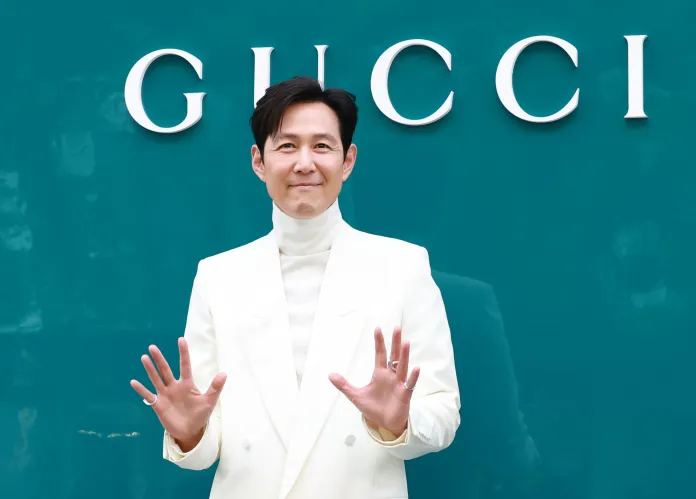
TikTok Comments Could Shape the Brand Story
The first public stage of the project is not a product advertisement.
Beginning September 3, Lee will participate in a global fan campaign titled ASK LEE JUNG-JAE: GLOBAL FAN Q&A. Fans will be invited to leave questions beneath his TikTok videos, with selected questions receiving responses from Lee through new videos.
On the surface, it is a straightforward fan event. Strategically, however, it introduces Lee to the platform before asking audiences to purchase anything.
Fans can become familiar with how he speaks, what he values and which aspects of his lifestyle he chooses to share. That personality-led content can later provide the story surrounding the beauty products.
It also creates a potentially valuable feedback loop. Comments can show which subjects attract the strongest reactions, what international fans want to know about Lee and how they respond to his personal recommendations.
Artist Company has not said that fan questions will determine the products. Still, the Q&A places audience participation at the beginning of the brand-building process rather than after the launch.
Why Start With Beauty?
Beauty is a logical first category for a business designed around short-form video.
Skincare routines, product demonstrations and visible before-and-after results can be explained within seconds. A creator can introduce a product, demonstrate it and provide a direct purchase link without asking the viewer to leave the platform.
Korean beauty companies have already used that structure to grow internationally. Brands including Medicube, Laneige and Missha have expanded their TikTok Shop presence through tutorials, creator partnerships and product-focused videos.
Lee’s project adds celebrity storytelling to that model.
His public image has long been associated with fashion, grooming and luxury campaigns. He is also recognizable across multiple age groups, from Korean viewers who followed his film career to international audiences who discovered him through Squid Game.
That gives the brand access to a broader audience than a conventional influencer-led launch. Lee can appeal to fans interested in Korean cinema, streaming series, men’s grooming, luxury fashion and K-beauty at the same time.
The more difficult question is whether that audience will believe the products genuinely represent him.
His Name Will Not Be Enough
Lee’s involvement creates immediate attention, but celebrity recognition alone cannot guarantee a sustainable beauty business.
Artist Company has not yet disclosed the brand name, specific products, ingredients, price range or manufacturing partner. It has also not explained how much creative or financial ownership Lee will hold.
“Participating in development” can mean very different things in celebrity commerce. It may involve selecting concepts and packaging, or it may include deeper decisions about formulation, testing and long-term brand direction.
Those details will matter once the products are introduced.
Consumers have become increasingly skeptical of celebrity brands that rely heavily on a famous name but offer little distinction from existing products. In beauty, trust also depends on formulation, safety, product claims and consistent results.
If Lee’s preferences are supposed to define the brand, audiences will need to understand what those preferences actually are.
Does he follow a specific skincare routine? Is the line designed primarily for men, or will it be positioned without gender? Will it focus on simplicity, performance, luxury or accessibility?
The answers will determine whether the project feels like an extension of Lee Jung-jae or simply another product carrying his image.
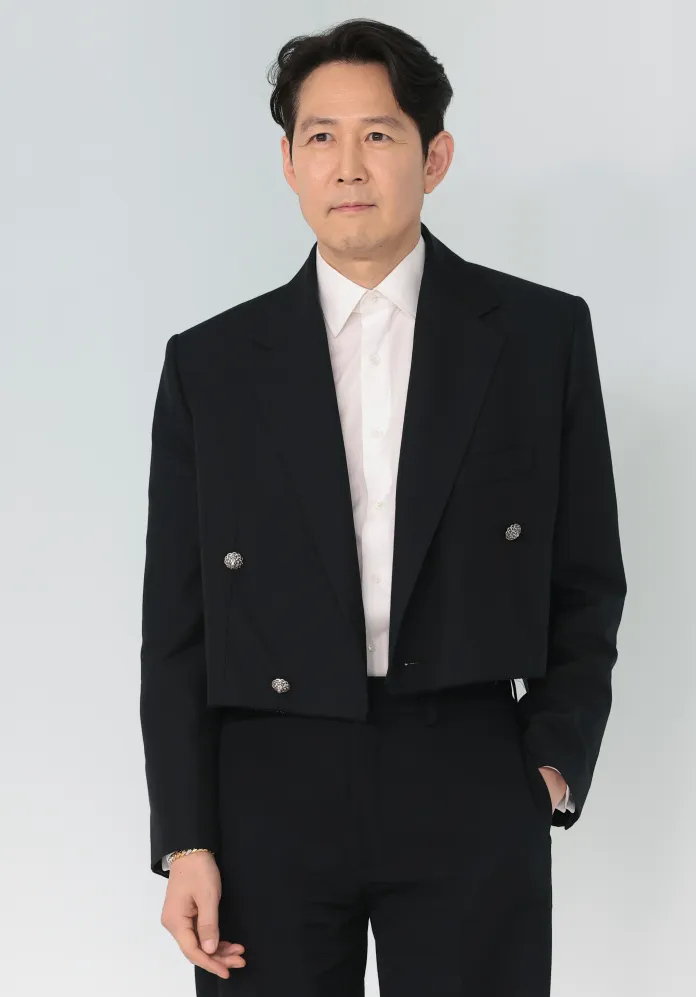
From Squid Game Star to Entertainment Entrepreneur
The beauty launch is not Lee’s first move beyond acting.
He co-founded Artist Company with actor Jung Woo-sung in 2016, building an agency around the careers and intellectual property of Korean performers. He later expanded into directing with the 2022 espionage film Hunt, in which he also starred.
His global profile changed dramatically through Netflix’s Squid Game. Lee won the Emmy for Outstanding Lead Actor in a Drama Series in 2022, becoming the first performer to win the category for a non-English-language role.
That success transformed him from a major Korean actor into a globally recognized screen figure. It also made his personal brand commercially valuable far beyond the domestic entertainment market.
The TikTok partnership represents an attempt to convert that visibility into a business asset that continues outside individual film and television releases.
Artist Company will manage the actor IP and brand planning, while TikTok will support content production, creator collaborations, international audience access and commerce infrastructure.
The first launch is expected to pursue sales through TikTok Shop in the United States and Japan.
Why the United States and Japan Matter
The two proposed markets reflect different sides of Lee’s international reach.
Japan has a long-established audience for Korean film, television and beauty products. The United States offers access to viewers who encountered Lee through Netflix and the wider global expansion of Korean entertainment.
TikTok Shop also allows the company to test demand without beginning with a large physical retail rollout. Creators can introduce the products to specific communities, while sales data and audience reactions can help the brand identify which messaging works in each market.
However, relying heavily on creators presents another challenge.
The products will need to survive outside Lee’s own fan community. Creator enthusiasm can generate a launch spike, but repeat purchases will depend on whether customers actually like what they receive.
The strongest outcome would be a brand that attracts fans because of Lee but retains them because of the products.
A Possible New Business Model for Korean Actors
Artist Company plans to expand the program to brands developed around other actors under its management.
That makes Lee’s launch a test case.
K-pop companies have long built merchandise, cosmetics and fashion collaborations around idol fandoms. Korean actors have usually taken a different route, generating commercial value primarily through advertising contracts and luxury ambassadorships.
This partnership attempts to give actors a more active position.
Instead of temporarily lending an image to another company, an actor can potentially help create a product, tell its story through personal content and participate in the value generated by sales.
That model could become significant if Artist Company clearly defines the difference between a genuine actor-led brand and an ordinary endorsement.
For now, Lee Jung-jae’s beauty line remains a plan rather than a finished product. No item has been revealed, and the MOU itself does not guarantee commercial success.
But the strategy is already clear.
Lee’s TikTok account will not exist only to promote his next role. It is being designed as the front door to a new kind of celebrity business, where a fan question, a short video and a purchase can all happen within the same scroll.
- HOT NEWS
- 'I Live Alone' Production Team Officially Apologizes for Manipulation Allegations Regarding Jun Hyun-moo's Impromptu Trip to Kazakhstan
- Nexz, Mini 4th Album 'Soosin' Surpasses 430,000 First-Week Sales...Active Promotions Including Music Shows and Overseas Tour
- Wieson Technology and Guangdong Huayan Robotics Announce Strategic Partnership
- YFORE Unveils Multi-Scenario UWB Radar Sensing for Next-Gen Vehicles
- Kim Soo Hyun Confirms AAA 2026 Attendance in Major Awards Show Return

허블 정보
Copyright © 2017 Huvle All Rights Reserved
admin@huvle.com