
UNIS Revives B.B’s 1997 Hit “To the Ends of the Earth and Stars”
The eight-member group’s first remake preserves the original song’s infectious energy while updating parts of its lyrics for a new generation.
UNIS is introducing one of first-generation K-pop’s most recognizable dance songs to listeners who may not have been born when it was released.
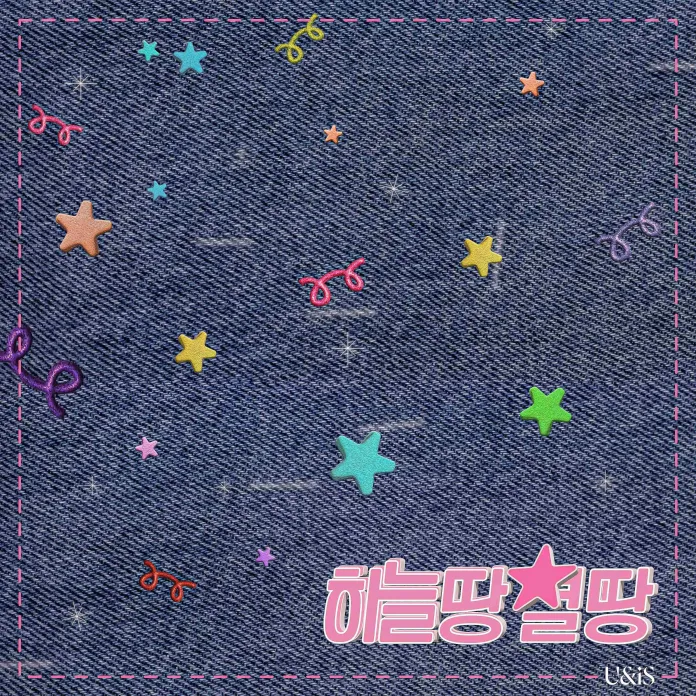
The eight-member girl group released its remake single “하늘땅 별땅” on September 8 at noon KST. A promotional video featuring the members’ interpretation of late-1990s and Y2K fashion is scheduled to follow at 6 p.m.
The Korean title is often translated literally as “Heaven, Earth, Star, Land,” although its emotional meaning is closer to going anywhere, even to the ends of the earth and stars, for someone you love.
Originally released by the female duo B.B in 1997, the track combines an upbeat dance melody with lyrics about changing oneself for a romantic interest, only to discover that person has begun dating someone else.
Nearly three decades later, UNIS is giving that dramatic love story a brighter Gen Z makeover.
Important Clarification: This Is B.B, Not BIBI
International listeners may initially misunderstand which artist created the original song.
B.B was a Korean female duo active during the 1990s. The act is unrelated to contemporary solo singer and actress BIBI, whose birth name is Kim Hyeong-seo.
B.B released “하늘땅 별땅” as the title track of its second album in 1997. Its playful melody, easily remembered chorus and exaggerated romantic frustration helped it endure as a nostalgic Korean dance hit.
The original recording is still available through major streaming services, offering new listeners an opportunity to compare the two generations directly. Listen to B.B’s original 1997 album on Apple Music!
What UNIS Preserved and What It Changed
The remake maintains the original song’s bouncing melody and cheerful energy, ensuring that listeners who remember the 1997 version can recognize it immediately.
UNIS then layers its own “kitsch high-teen” identity and contemporary K-pop production over that foundation.
The contrast is central to the remake’s appeal. The melody carries the uncomplicated exuberance of late-1990s Korean dance music, while the eight members bring the sharper vocal arrangement, styling and visual polish expected from a current idol release.
Some lyrical expressions were also adjusted so that they would feel more natural to today’s performers and listeners.
That decision is important because parts of the original describe a woman repeatedly changing her appearance, behavior and interests to satisfy a man’s preferences. The lyrics reflect the exaggerated romantic storytelling commonly heard in Korean pop music of that period, but some lines can feel noticeably dated in 2026.
Rather than discarding the song, the remake retains its familiar emotional core while making selected expressions more relatable to a younger audience.
Why This Song Fits UNIS
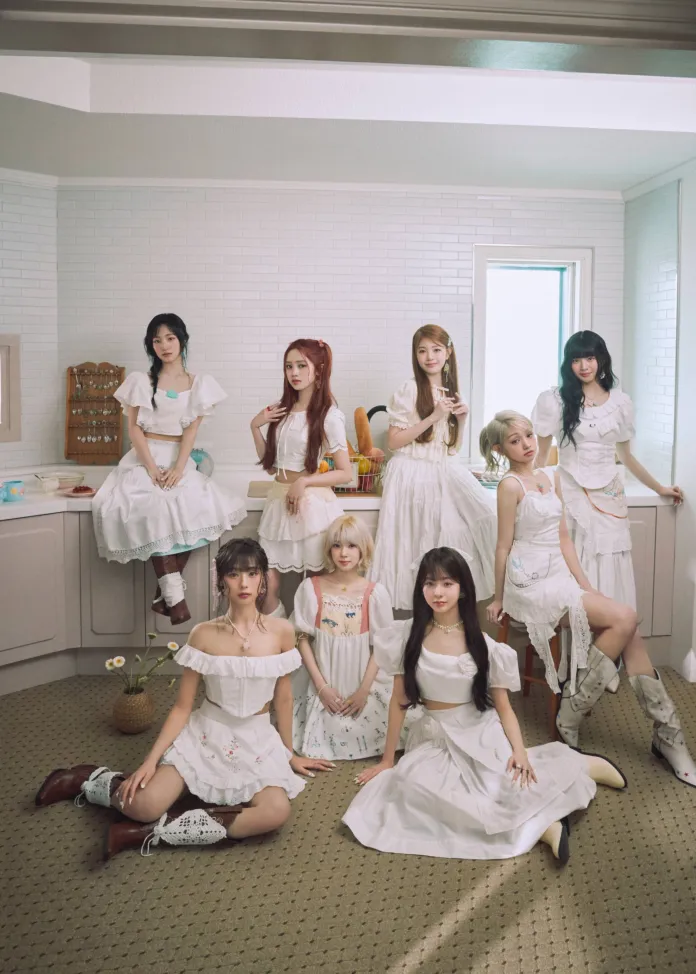
UNIS consists of Hyeonju, Nana, Gehlee, Kotoko, Yunha, Elisia, Yoona and Seowon. The multinational group was formed through the survival program Universe Ticket and debuted in March 2024.
Their youthful image makes “하늘땅 별땅” an interesting choice.
The original was released almost three decades before the remake, meaning the members are not simply revisiting music from their own childhood. They are interpreting a piece of Korean pop history inherited from an earlier generation.
At the same time, the song’s lively melody and theatrical emotions align naturally with UNIS’s bright, playful style. It offers space for expressive performances, colorful fashion and an easy-to-follow chorus without forcing the group into a concept that feels disconnected from its identity.
This is also UNIS’s first remake since debut, giving the release a different purpose from a standard comeback. It tests how effectively the group can preserve another artist’s signature song while making it feel like part of its own catalog.
Nostalgia Works Differently for Every Listener
For Koreans who heard the original during the 1990s, the opening melody may immediately recall television music programs, colorful stage outfits and the early years of modern idol pop.
For younger fans, the same details may feel fresh precisely because they belong to an era they did not experience.
That is the paradox behind the current fascination with Y2K aesthetics. Styles that feel nostalgic to one generation can look entirely new to another.
UNIS’s version is designed to serve both audiences. Older listeners receive the pleasure of recognition, while the group’s existing fans encounter a song that does not sound exactly like contemporary K-pop.
The remake may also lead international fans back to B.B and other performers who helped shape Korean dance music before K-pop developed its current global infrastructure.
The Release Arrives During UNIS’s Expansion in Japan
The remake follows UNIS’s first Japanese mini album, UNI☆Sparkle!, released in July.
The album reached No. 4 on Oricon’s Daily Album Ranking and No. 15 on Billboard Japan’s Top Album Sales chart, according to the group’s agency. Those results gave UNIS additional momentum in a market represented within the group by Japanese members Nana and Kotoko.
“하늘땅 별땅” now brings their attention back to Korean pop history while remaining accessible to the international audience they are continuing to build.
It is a clever meeting point between generations. B.B provides the indelible melody, UNIS supplies the youthful energy, and listeners decide whether a 1997 love song can find another life in 2026.
- HOT NEWS
- Karina reveals her daily life in comfortable athleisure wear... overcoming the "Monday blues"
- LG ELECTRONICS HIGHLIGHTS SEVEN HOME APPLIANCES AT IFA 2026
- Han Ji-eun, 38 years old yet still has a youthful beauty... Fans react explosively to her no-makeup selfie
- Mantle Joins Global Dollar Network as USDG Circulation Surpasses $3B Across 150+ Partners
- Appian Congratulates 2026 APJ Partner Award Winners for Driving Customer Impact Through Process Automation and AI



허블 정보
Copyright © 2017 Huvle All Rights Reserved
admin@huvle.com