
BIGBANG’s COSMOS Exhibition Draws 45,000 Fans and Heads to 12 Global Cities
45,000 Fans Entered BIGBANG’s Underground COSMOS, Now It Is Going Global
BIGBANG’s 20th anniversary celebration is expanding beyond the concert stage.
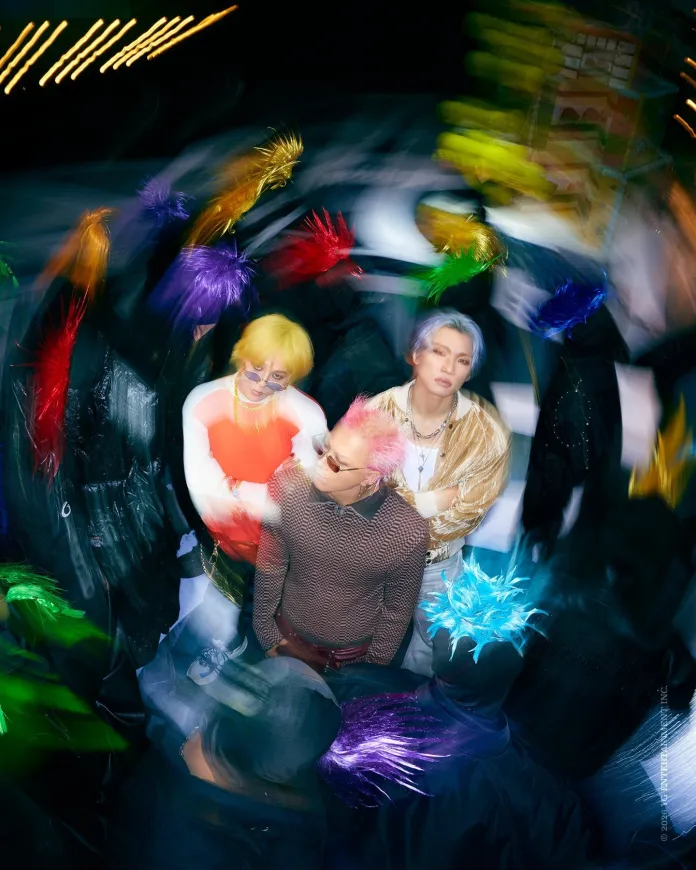
The group’s immersive media exhibition, BIGBANG 20TH ANNIVERSARY MEDIA EXHIBITION COSMOS, completed its Seoul run after attracting approximately 45,000 visitors across its prequel event and main exhibition.
The turnout is particularly significant because the members did not need to appear at the venue for fans to arrive in large numbers. COSMOS was built around BIGBANG’s music, visual history and connection with VIPs, demonstrating that the group’s archive has become an attraction of its own.
Following its success in Seoul, the exhibition is preparing to visit 12 major cities around the world, including locations in China.
The Prequel Exhibition Sold Out in One Second
Interest in COSMOS was visible before its main Seoul exhibition opened.
A prequel event held in Jamsil reportedly sold out every available ticket only one second after reservations opened. The early exhibition featured archival videos covering BIGBANG’s 20-year career, behind-the-scenes concert footage and newly released still images.
It formed part of a wider anniversary project that also included interactive installations, merchandise and the release of the group’s first new digital single in four years, “BiiiG.”
The prequel and main exhibition eventually brought the cumulative number of visitors to approximately 45,000.
That figure shows the strength of BIGBANG’s current anniversary cycle. Fans are not only buying concert tickets or streaming the group’s latest music. They are also willing to visit a physical space dedicated to the group’s past.
BIGBANG Transformed a Forgotten Underground Space
The main exhibition opened at dududo SEOUL, an underground cultural complex located between City Hall Station and Euljiro 1-ga Station.
The venue was created during the construction of Seoul Subway Line 2 in 1983. Measuring 335 meters in length and approximately 3,300 square meters in size, the space remained closed to the general public for around 40 years.
It sits approximately 13 meters beneath Seoul Plaza and was temporarily revealed to citizens by the Seoul Metropolitan Government in 2023 before being transformed into a cultural platform.
That history made the location especially suitable for COSMOS.
Visitors entered what had once been an unused tunnel and encountered a futuristic world built from light, sound, artificial intelligence, virtual reality and holographic technology. The venue did not function as a conventional gallery with photographs placed along white walls. The entire underground passage became part of the exhibition.
BIGBANG’s career was presented as a universe that fans could physically enter.
Inside the 11 COSMOS Exhibition Zones
COSMOS featured 11 themed areas designed to reinterpret different parts of BIGBANG’s history.
The experience began with COSMOS BEGINS, where lasers cut through the dark underground space and created the sensation of entering another dimension.
COSMIC SIGNAL combined four-sided media façades with a tunnel built around BIGBANG lyrics. FRAGMENTS displayed previously unreleased photographs, while the AI listening area COSMIC ECHO allowed visitors to experience the group’s music through new technology.
The exhibition also included VIRTUAL ORBIT, a VR performance featuring new music, and COSMIC STAGE, which used 5G hologram technology to make the performance feel physically close to the audience.
Rather than relying entirely on nostalgia, the production used contemporary technology to give familiar songs and performances a different form.

Fans Became Part of BIGBANG’s COSMOS
Some of the exhibition’s most meaningful sections focused on the relationship between BIGBANG and VIPs.
CONSTELLATION used the group’s light sticks from different eras to visualize the evolution of its fandom. The design recognized how the crown-shaped light stick became one of the most identifiable objects in K-pop concert culture.
COSMOS OF US displayed visitors’ photographs on screens in real time, placing fans directly inside the exhibition rather than presenting them as outside observers.
At DRAW OUR COSMOS, visitors could leave written messages for the group. By the end of the Seoul run, the installation had become a physical record of memories, gratitude and personal stories accumulated across two decades.
These participatory spaces explain the meaning behind the exhibition’s title.
YG Entertainment previously described “COSMOS” as more than a reference to physical space. The word represents the connection linking BIGBANG’s past, present and future with the fans who experienced those eras alongside them.
Limited Merchandise Extended the Anniversary Experience
The exhibition also operated a limited merchandise area called PIECES OF COSMOS.
Products included a redesigned 20th anniversary light stick and a holographic T-shirt limited to 2,020 pieces. Other exhibition merchandise translated the COSMOS concept into items fans could take away from the venue.
This merchandise strategy is an important part of modern K-pop exhibitions.
A concert exists within a fixed performance time, but exhibitions allow entertainment companies to build a longer experience around an artist’s catalog. Fans can move through archived material at their own pace, take photographs, contribute messages and purchase objects created specifically for the event.
For a group with 20 years of visual concepts, performances and fandom history, that format creates far more possibilities than a traditional anniversary display.
COSMOS Also Opened Its Doors to Young Visitors
The project was not limited to paying ticket holders.
Working with the Seoul Metropolitan Government, organizers reportedly offered free admission to approximately 1,000 children and teenagers, including young people from areas with limited access to cultural experiences.
The program gave a broader group of visitors access to media art, VR, holographic performances and AI-based sound technology.
It also connected the exhibition to the transformation of dududo SEOUL itself. A space hidden beneath the city for decades was reopened through a project combining Korean popular culture and emerging creative technology.
Why COSMOS Is Heading to 12 Cities
The international expansion of COSMOS reflects how global K-pop fandom increasingly expects more than concerts.
Traveling exhibitions allow fans who cannot attend a stadium show to experience an artist’s history locally. They also provide a different form of access, especially for audiences interested in fashion, design, technology and visual storytelling as much as live performance.
BIGBANG is particularly suited to this format because the group’s influence extends beyond its discography. Its stage styling, music videos, light sticks, album concepts and individual members’ fashion have all contributed to the visual language of modern K-pop.
COSMOS packages those elements into an experience that can travel.
Organizers have not yet announced the complete schedule or venues for all 12 international cities. Fans should therefore wait for official city-specific announcements before making travel plans.
BIGBANG’s Anniversary Is Taking Place on Two Global Stages
The COSMOS exhibition tour will unfold alongside BIGBANG’s 2026-2027 world tour, XX : COSMOS.
G-Dragon, Taeyang and Daesung launched the tour with three concerts at Goyang Stadium from August 21 to 23. The official schedule then expanded into North America, Europe and Asia, with several performances marked as sold out.
Together, the concert and exhibition tours offer two versions of the same anniversary.
The world tour presents BIGBANG as an active performance group still capable of filling major venues. The exhibition preserves the music, images and fan memories that made those performances possible.
One looks at what BIGBANG can still create. The other asks audiences to walk through everything the group has already built.
The 45,000 visitors who attended COSMOS in Seoul suggest that BIGBANG’s 20-year history is not being treated as a closed chapter. It has become the foundation for another global project.
- HOT NEWS
- Stray Kids' Seungmin receives warm birthday wishes
- Park Bo-gum·Kim Yoo-jung·Jinyoung 'Love in the Moonlight' complete cast, 10-year promise...viewership rating 1.1%
- Hong Kong's First Board-Certified Veterinary Nutritionist-Developed Brand Mylo Officially Launches
- GIGABYTE Announces AORUS GeForce RTX™ 5060 ARI Edition Graphics Card is Available
- Seung Chul Lee 40th Anniversary Debut Concert, No.1 in Viewership Ratings... 12,000 Enthusiastic Audience Members


허블 정보
Copyright © 2017 Huvle All Rights Reserved
admin@huvle.com