
[TF Focus] Death, Dead, Killl... The Background of K-Pop's 'Strong Titles' That Have Become Familiar
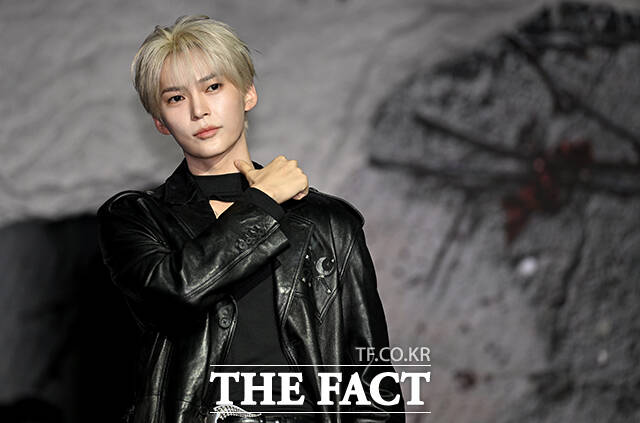 Cases of using provocative English words like 'Dead' and 'Death' are increasingA trend driven by changes in social sentiment and the globalization of K-popZEROBASEONE's member SUNG HANBIN named their first solo mini-album, released on the 12th, 'DEAD:ALIVE'. The album features many songs with titles that adopt aggressive words such as 'UNDEAD', 'Killin' Me', and 'Bloody Gravity.' / Reporter Park Sang-min[THE FACT|Reporter Choi Hyun-jung] There is growing interest in the background behind the frequent appearance of 'strong titles' in K-pop music, particularly among male solo artists and boy groups.ZEROBASEONE's member SUNG HANBIN released their first solo album on the 12th, titling it 'DEAD:ALIVE', meaning 'death and life'. The album also includes songs like 'UNDEAD' (meaning 'living corpse'), 'Killin' Me' (meaning 'something that kills me'), and 'Bloody Gravity' (meaning 'bloody gravity'), titles that can be described as aggressive, if not outright violent.This is not a characteristic unique to SUNG HANBIN. EVAN also titled their solo EP 'DEATH OF ME' and released a title track of the same name. Prior to this, the title of their released single was 'Ride or Die', an idiom meaning 'a relationship that lasts until death'.Additionally, the band Xdinary Heroes has consistently used 'strong words' in their albums, such as 'LXVE to DEATH' (meaning 'love that leads to death') and 'DEAD AND' (meaning 'death, and'). Group All Hours named their fifth mini-album, released in March of this year, 'NO DOUBT', and its title track 'DEAD MAN WALKING', referring to a condemned prisoner walking to the gallows, meaning 'a dead person'. The music video for this song featured objects like a guillotine, chains, and demons.Of course, the decision to give these aggressive titles was likely made after considering each artist's concept, music genre, and the message they wanted to convey. The concentration of such titles around the same time could also be purely coincidental.However, the significant point is that these 'strong titles' are now being accepted without feeling strange or awkward.For instance, when songs like Baek Ji-young's 'Like Being Shot' and VIXX's 'Cursed Doll' were released in the past, their unique and aggressive titles garnered as much attention as the music itself. However, nowadays, while such aggressive titles might pique curiosity, they don't become major issues in themselves.Baek Ji-young's song 'Like Being Shot' garnered significant attention at the time of its release for its direct and unconventional title. However, it is now uncommon for a title itself to become a topic of discussion. / THE FACT DBFurthermore, the popularity of groups like Enhypen, who embrace dark and extreme 'dark concepts', has further accelerated the trend of 'strong and provocative words'.In response, one producer analyzed it as 'pushing the boundaries of expression'. Music producer A told
- HOT NEWS
- Vietnam's Aquatic Entertainment Landscape Enters a New Era as Landmark Attractions Raise the Bar
- IFS brings the Industrial AI Harness to the world's most critical and complex industries
- BLACKPINK’s Rosé to Perform at LACMA’s 2026 Art+Film Gala
- Han Bo-reum, chic beauty with black hair and black look... shares a selfie saying 'Glad to see black hair'
- Integrated Research launches Clarion to close the gap between what employees experience and what IT can see



허블 정보
Copyright © 2017 Huvle All Rights Reserved
admin@huvle.com