
This Is Why Lee Junho’s Acting Feels Different From Everyone Else
There are actors who deliver lines—and then there are actors who make you feel something long after the scene ends.
For Lee Junho, the difference comes down to one thing: he doesn’t just act but he empathizes.
That mindset is exactly what shaped his portrayal in Typhoon Company, where he took on the role of Kang Tae-poong. Instead of focusing on performance techniques alone, Junho approached the character as if he were living through the same emotions.
“I didn’t try to act it out,” he once shared. “I tried to understand and feel what he was going through.”

Acting built on emotion, not calculation
One of the most striking aspects of Junho’s performance was his ability to express different layers of emotion especially anger.
Rather than treating anger as a single tone, he carefully adjusted its intensity depending on the situation. Some scenes delivered catharsis, while others carried quiet frustration or heartbreak.
But interestingly, Junho admitted that once filming started, all that preparation faded away.
Instead of sticking to calculated choices, he allowed the moment to take over.
The result? A performance that felt raw, unpredictable, and real.
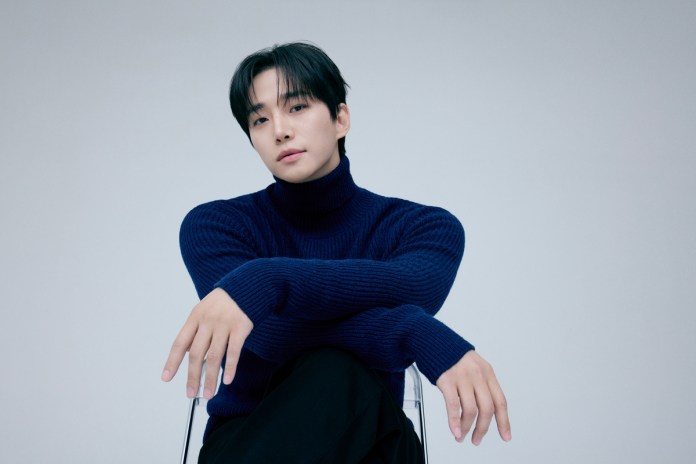
When research becomes reality
To fully understand his character, Junho didn’t rely only on the script.
He actively searched for references from past social atmosphere to small, realistic details and even contributed ideas during production. This level of involvement helped shape a character that felt grounded rather than fictional.
But what truly elevated his acting was how deeply he internalized emotions.
In one particularly emotional moment, something unexpected happened:
the tears weren’t planned.
Junho became so immersed in the character’s situation that the emotions naturally surfaced; blurring the line between actor and role.
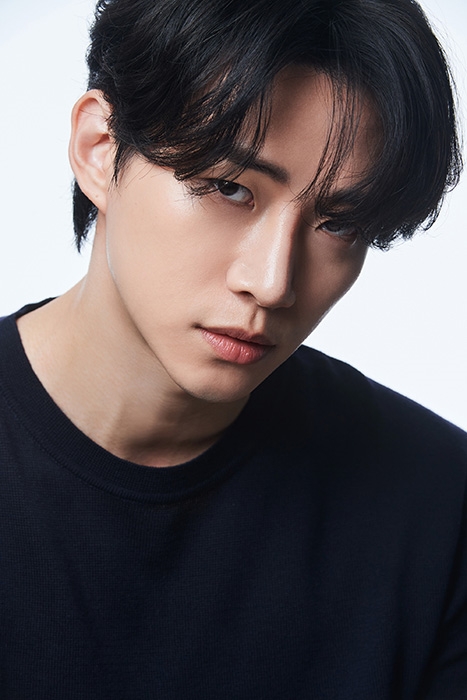
The kind of actor who makes stories feel personal
What makes Lee Junho stand out isn’t just his visuals or popularity but it’s the way he connects.
His performances resonate across generations because they don’t feel distant. They feel lived-in.
By focusing on sincerity over technique, Junho creates characters that audiences don’t just watch but understand.
And that may be the real reason viewers keep coming back: because when Lee Junho is on screen, it never feels like just acting.
- HOT NEWS
- “ASEA 2026” Just Got a Crazy Lineup: ATEEZ, &TEAM and Hearts2Hearts
- Byeon Woo-seok Confesses to IU: “I Liked Her First”—Viral Chemistry in New Drama “Perfect Crown”
- NCT’s Yuta Stepping Into A New Challenge
- GBA at 10: unity, growth and boundless possibilities
- “K-Pop Demon Hunters” Sequel Officially Confirmed



허블 정보
Copyright © 2017 Huvle All Rights Reserved
admin@huvle.com