
Why Foreigners Laugh at Korean English Brand Names Like Mom’s Touch and A Twosome Place
Walking through Korean streets, foreign visitors often see brand names written in English that look familiar at first, but sound surprisingly unusual when read through a native English speaker’s perspective. Some names are cute. Some feel stylish. Others make foreigners stop, look again, and laugh not because they are wrong, but because the meaning changes when English words are used with Korean cultural logic.
English Is Everywhere in Korean Branding
In Korea, English is often used in brand names to create a modern, trendy, and international image.
A short English name can make a café, restaurant, fashion store, or beauty brand feel more stylish. Even when the words are simple, they can give a brand a global mood that Korean consumers easily recognize.
But this creates an interesting cultural gap. A phrase that sounds warm, emotional, or fashionable in Korea may feel completely different to English-speaking foreigners. Sometimes the grammar is not the main issue. The surprise comes from the image or nuance the words create in English.
That is why Korean signs can become an unexpected source of amusement for foreigners.

Why “Mom’s Touch” Makes Foreigners Look Twice
One of the most famous examples is Mom’s Touch.
In Korea, the name suggests the warmth of homemade food. It points to the idea of a mother’s care, effort, and sincerity — the kind of feeling associated with food made carefully for family.
For Korean consumers, the name can feel comforting and emotional.
But for many English speakers seeing the sign for the first time, “Mom’s Touch” sounds unusual as a fast-food brand name. The intended meaning is understandable after explanation, but the phrase itself may feel a little unexpected or overly literal. Foreigners may pause and wonder, “What exactly does that mean?” before realizing it is meant to express a mother’s loving touch. That moment of confusion is part of why the name becomes memorable.
A Twosome Place Sounds Different in English
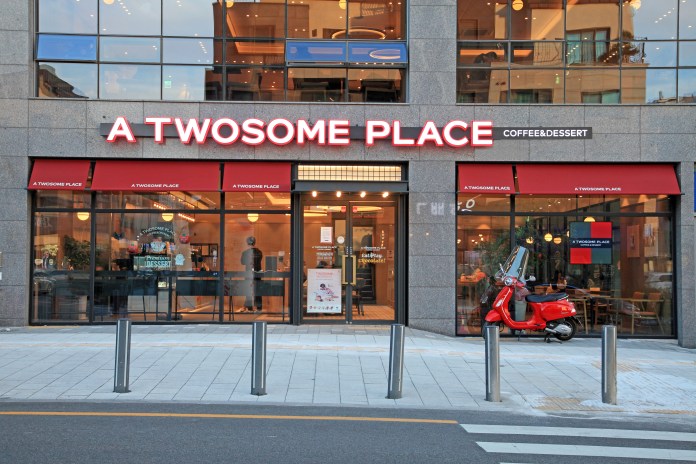
Another brand name that often surprises foreigners is A Twosome Place.
In Korea, the café name is widely understood as a stylish dessert café brand. The word “twosome” is connected to the idea of coffee and cake going together as a pair.
The brand’s message focuses on the perfect combination of two things: coffee and dessert.
But in English-speaking contexts, “twosome” is not a common word for describing a café. Because the word can carry different associations depending on the context, some foreigners may find it awkward or unintentionally funny. To Korean consumers, the name can feel elegant and conceptual. To foreigners, it may sound like a phrase they would not expect to see above a coffee shop.
That contrast shows how the same English word can feel completely different across cultures.
“Angel-in-us” Felt Like a Sentence
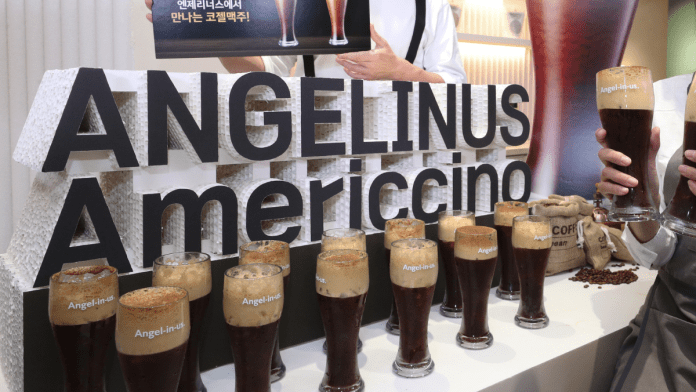
The old English-style spelling of Angel-in-us was another example that caught foreigners’ attention.
In Korea, the name was meant to sound soft, emotional, and comforting. It created an image of angels, warmth, and coffee as a pleasant part of daily life.
But to English speakers, “Angel-in-us” could look less like a brand name and more like a short sentence.
A foreigner might read it literally and think, “An angel is inside us?” That interpretation is not necessarily negative, but it can feel strangely poetic or confusing in a casual café setting. Today, the brand is commonly presented as ANGELINUS, which feels more like a single brand identity. Still, the older expression remains one of the examples foreigners often remember when talking about Korean English signs.
The Humor Comes From Reinterpretation
These names are not funny simply because they are “wrong English.”
The humor comes from reinterpretation.
Korean brands often use English in a way that fits Korean emotions, consumer habits, and marketing style. The words are chosen for mood, sound, and image as much as exact native-level meaning. For Korean customers, the names may feel natural because they have become part of everyday life. For foreigners, however, the same names are processed more literally. That difference creates a small but funny cultural moment. It is not a mistake as much as a meeting point between two language systems.
Korean English Branding Has Its Own Logic
What makes Korean English brand names interesting is that they show how Korea does not simply borrow English. It reshapes English into something local.
Words are mixed with Korean ideas of warmth, cuteness, luxury, emotion, and trendiness. The result can sound unusual to native English speakers, but it often works well in Korea because it matches the image brands want to create.
Mom’s Touch expresses care.
A Twosome Place suggests pairing and dessert culture.
Angel-in-us creates a gentle, emotional café mood.
Once foreigners understand the intention behind the names, the initial laughter often turns into curiosity.
Funny, But Hard to Forget
For foreigners in Korea, English brand names on signs can become one of the most entertaining parts of daily life.
At first, they may laugh because the words sound unexpected. But later, they begin to understand the Korean feeling behind them.
That is why these names are so memorable.
They may not sound perfectly natural in native English, but they reveal something about Korean branding culture: emotional, playful, creative, and not afraid to use English in its own way.
In the end, names like Mom’s Touch, A Twosome Place, and Angel-in-us are not just “strange English.” They are examples of how Korea turns global language into local culture and sometimes, that cultural remix is exactly what makes foreigners smile.
- HOT NEWS
- IU and Park Bo-gum Named Korea’s Representative Advertising Models for 2026
- “Your Face Is So Small!”: 5 Korean Compliments That Often Surprise Foreigners
- Global Care Economy Set to Create Significant Growth Opportunities as Care-Dependent Population Reaches up to 4.6 Billion by 2035
- ASTRI and Citybus Launch C-V2X Trial in Kai Tak
- Next-Generation Caravan Brand Skydream to Launch in Australia Later This Year



허블 정보
Copyright © 2017 Huvle All Rights Reserved
admin@huvle.com