
3 Korean University Traditions That Surprise International Students
For many students overseas, Korean university life first becomes familiar through K-dramas: tree-lined campuses, crowded festivals, club recruitment booths, late-night study sessions, and groups of friends wearing matching department jackets.
The reality is naturally more varied than television suggests, but international students who study in South Korea often discover that campus life extends far beyond lectures and exams. Universities commonly organize student clubs, buddy programs, cultural events, orientations, festivals, and mentoring services designed to help students build relationships and adjust to academic life. Korea’s government-run Study in Korea portal also highlights international student support programs such as buddy schemes, talent shows, sports competitions, student clubs, and mentoring activities at participating institutions.
Every university and department has its own atmosphere, so these experiences are not universal. Still, three parts of Korean campus culture regularly stand out to exchange students and other international residents.
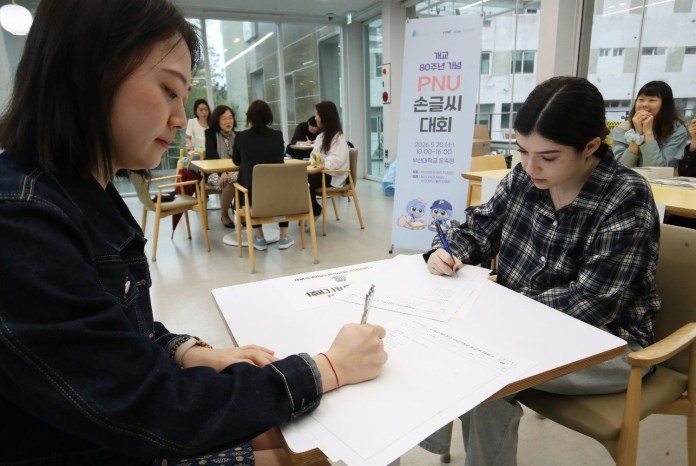
1. Student clubs can shape an entire university experience
One of the first surprises for many international students is the visibility and range of university clubs, known in Korean as dongari.
Korean campuses may host organizations devoted to dance, music, photography, sports, volunteering, entrepreneurship, investment, filmmaking, programming, language exchange, religion, and academic interests. At the beginning of a semester, clubs often promote themselves through campus booths, online communities, performances, and introductory meetings, creating an atmosphere that can feel closer to a festival than a simple membership drive.
These groups are not always limited to occasional meetings. Depending on the club, activities can include performances, competitions, volunteer projects, exhibitions, overnight workshops, networking events, and university festivals. For international students who are still developing their Korean skills, joining a club can also provide a practical way to meet local students outside the classroom.
Official university support programs reflect how important social adjustment can be for newcomers. Korea University, for example, provides orientation and transition services for international students, while other universities advertise buddy programs, cultural events, sports activities, and student organizations as part of their support systems.
Many universities abroad also have active student societies, so club culture itself is not uniquely Korean. What can feel different is how closely clubs are connected to friendship groups, campus festivals, department identity, and the broader experience of being a university student.
2. Academic relationships can continue outside the classroom
Another feature that some international students find unexpected is the way academic interaction may extend beyond formal lectures.
In certain departments, laboratories, graduate programs, and seminar-based courses, students may attend advising meetings, research dinners, department gatherings, laboratory events, or informal meals involving professors and classmates. These occasions can provide opportunities to discuss research, careers, graduate school, and academic concerns in a setting that feels less formal than a classroom.
This should not be interpreted as a rule for every Korean university. Relationships depend heavily on the professor, program, department, and level of study. Undergraduate students in a large lecture course may have little personal contact with a professor, while graduate students working in a research laboratory may interact with faculty members much more frequently.
Still, Korean universities commonly operate faculty advising, mentoring, and laboratory-based academic structures. Official university reports also describe faculty-led seminars, customized mentoring, and events that connect students directly with professors and researchers.
Students from systems where contact with professors is restricted mainly to lectures and office hours may therefore be surprised when an academic discussion continues over a meal or during a department gathering. At the same time, Korea’s respect-based language and university hierarchy remain important, so greater contact does not necessarily mean the relationship is completely informal.
The experience can feel like an unusual combination: professors may remain clearly senior in status, yet students may still receive personal guidance and interact with them beyond scheduled class time.
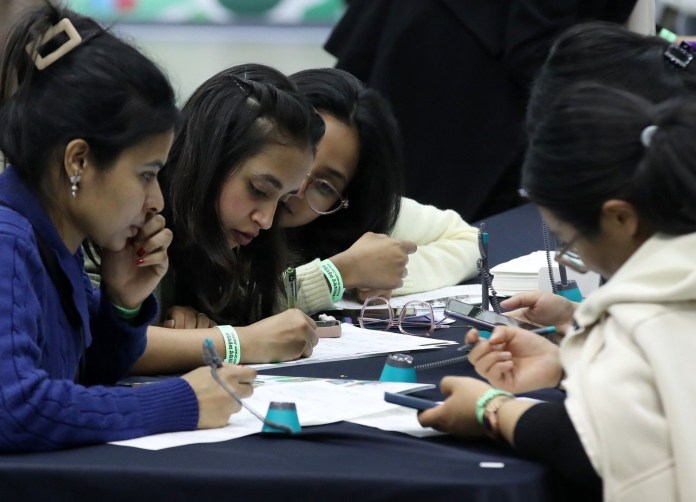
3. Some campuses feel like destinations rather than closed academic spaces
The appearance and accessibility of Korean university campuses also leave a strong impression on many foreign students.
In Seoul, historic stone buildings, modern libraries, cafés, wide lawns, hillside paths, cherry blossoms, and autumn foliage can make a campus feel like a neighborhood attraction as well as a place of study. The Seoul tourism authority has even introduced routes highlighting university districts and attractive campuses, including areas around Ewha, Sinchon, and Hongdae.
This visual atmosphere is one reason campuses frequently appear in Korean films, dramas, music videos, and social media content. Visitors who became interested in Korea through entertainment may recognize architectural styles and seasonal scenes that resemble the fictional universities shown on screen.
The atmosphere also changes dramatically during the academic year. Spring can bring cherry blossoms and outdoor club promotions, while autumn covers older campuses in colorful foliage. Official Seoul tourism content describes university campuses as places that shift with the seasons, presenting blossoms in spring, deep greenery in summer, autumn colors, and snowy winter landscapes.
Some campuses are open enough that tourists and residents visit them for architecture, photography, museums, cafés, or seasonal walks, although visitors should still respect classes, restricted buildings, and students’ privacy.
For international students, this can create the strange feeling of studying in a place that occasionally resembles both a K-drama set and a tourist destination.
Korean university life is often remembered through experiences outside class
Studying abroad is ultimately an academic decision, and Korean universities can be competitive, demanding, and highly structured. International students may also face language barriers, unfamiliar administrative systems, pressure during exam periods, and difficulties building close relationships.
Yet when many students remember their semester or degree in Korea, their strongest memories may not come from a lecture hall.
They may remember joining a dance club despite speaking limited Korean, attending a campus festival with classmates, discussing graduate plans with a professor after a seminar, or taking photos beneath cherry blossoms between classes.
That broader campus environment is one reason studying in Korea can feel different from simply taking courses in another country. The university becomes not only a place to earn credits, but also a setting in which friendships, cultural adjustment, entertainment, and academic life overlap.
K-dramas may introduce international audiences to the image of Korean campus life, but the attraction often becomes more understandable only after students experience the clubs, relationships, events, and seasonal atmosphere themselves.
- HOT NEWS
- NYSE Content Update: Vurvey Labs Launched 'Populations 2.0' AI Platform
- FeedbackFruits and Drieam announce strategic APAC Partnership for Portfolio-Based Learning and Assessment
- UST Partners with Anthropic to Bring Claude into UST's Platforms, Engineering, and Operations and Train 20,000 UST Employees Globally
- Radisson Hotel Group leverages its strong owner confidence to accelerate global growth
- 51Talk Marks 15th Anniversary with Global Curriculum Upgrade to Enhance Children's English Communication Skills



허블 정보
Copyright © 2017 Huvle All Rights Reserved
admin@huvle.com