
Mastering Seoul’s Public Transport: Changes in 2026
Seoul boasts one of the most efficient, clean, and technologically advanced public transportation systems in the entire world. For foreigners, expats, and first-time tourists landing in South Korea, navigating this massive network can feel both exciting and slightly overwhelming.
If you are planning to travel or relocate to Seoul in 2026, there are some major changes happening to the city’s transit pass systems that you absolutely need to know. Here is your ultimate guide to mastering Seoul’s subways, buses, and public bicycles—along with a crucial update on how the city’s discount cards are changing this fall.
1. The Core of Seoul Transit: Subways, Buses, and T-money
Before diving into discount passes, every traveler needs to understand the basics of getting around the Seoul Metropolitan Area.
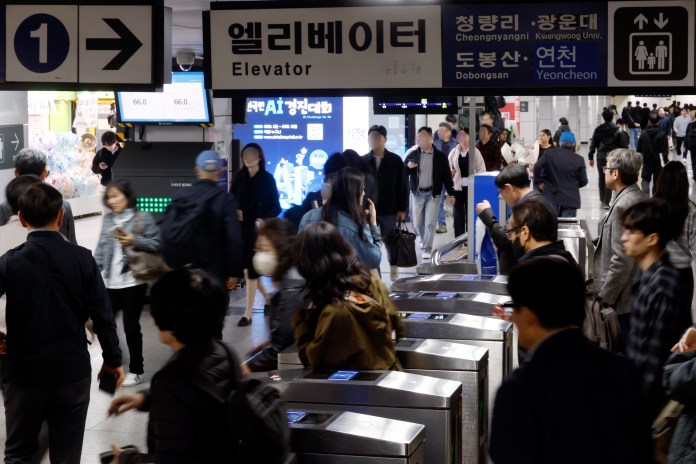
- The Seoul Subway System: Often ranked as the world’s best, Seoul’s subway system features over 20 color-coded lines. Station names, transfer maps, and voice announcements are fully serviced in English, Korean, Chinese, and Japanese. Virtually every corner of the capital—and even surrounding provinces like Gyeonggi and Incheon—can be reached via the subway.
- The Seoul City Bus Network: Buses in Seoul are highly organized and color-coded based on their routes. Blue buses connect different districts across the city, green buses connect subway stations to nearby residential areas, yellow buses circle key tourist districts, and red (express) buses travel out to suburban commuter towns.
- The Golden Rule: Tap On, Tap Off: No matter if you are riding a bus or a subway, you must tap your transit card when boarding and tap again when exiting. This registers your journey and automatically applies free transfer discounts (up to four transfers within 30 minutes).
To pay for these rides, most short-term tourists purchase a standard, reloadable T-money card at any convenience store or subway station kiosk. However, if you are staying in the city longer, you will want to look into local transit passes to save money.
2. The Great 2026 Transit Shift: Goodbye ‘Climate Card’, Hello ‘Modu Card’
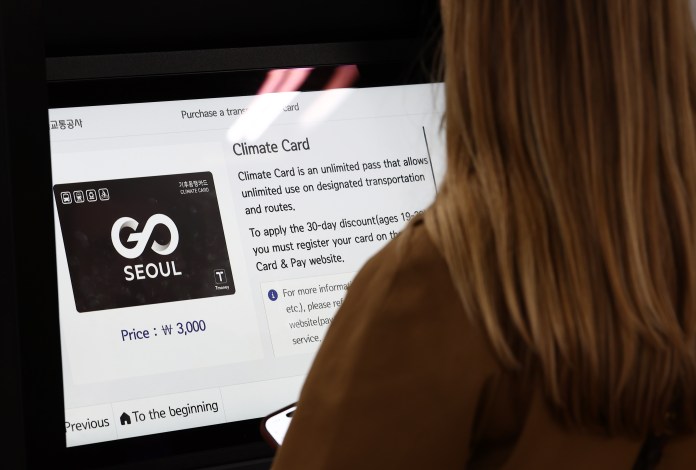
For the past couple of years, residents and long-term visitors in Seoul heavily relied on the Climate Card (기후동행카드). Introduced in early 2024, this was a highly popular prepaid pass that offered unlimited rides on Seoul’s subways and buses for a flat monthly rate of 62,000 KRW (with options to add the Ttareungi public bikes and Han River wind-buses).
However, the Climate Card is officially heading into the history books. Due to a government-led plan to streamline public transit benefits across South Korea, the Climate Card will officially end its service on September 1, 2026.
In its place, the government is rolling out the “Modu Card” (모두의카드)—an expanded version of the national K-Pass system.
3. Why the Modu Card is Great for Expats and Commuters
If you are living in Seoul or planning a long-term stay, the new Modu Card offers incredible flexibility compared to the old system.
- Nationwide Coverage: While the Climate Card only worked on transit routes within official Seoul city limits, the Modu Card works in 218 local municipalities across South Korea. This means you can use the same card for local buses in Busan, subways in Daegu, or regional transit in Gyeonggi Province.
- Rebate Instead of Flat-Rate: The Modu Card operates as a cashback system. Once you spend over 62,000 KRW in a month, the system calculates your excess spending and refunds it directly to you (or deducts it from your credit card bill).
- Suburban Inclusion: If you commute using premium lines like the Shinbundang Line or the high-speed GTX, you can opt for the Modu Card Plus, which sets a 100,000 KRW threshold and refunds your expensive long-distance commuter fares.
What about the public bicycles (Ttareungi)?
One temporary drawback for residents is that the Modu Card does not initially bundle Ttareungi (Seoul’s public bike system) discounts. However, the Seoul Metropolitan Government is preparing to launch a specialized hybrid version called “Climate Card Plus” (기후동행카드 플러스) in the fourth quarter of 2026. This special card will automatically upgrade local Modu Card holders residing in Seoul to unlock localized perks, such as youth discounts, military discounts, cultural facility admission cuts, and bike rental savings.
4. Step-by-Step: How to Switch to the Modu Card Without Losing Money
If you are currently residing in Seoul and using a Climate Card, you need to transition wisely before the September cutoff. Here is the step-by-step roadmap:
- Step 1: Track Your Calendar: Prepaid 30-day Climate Cards can only be topped up until July 31, 2026. If you use a post-paid version, the transit discount benefits will expire on August 31, 2026. Plan your final top-up so that your card expires naturally right before the end of August.
- Step 2: Get Your Refund: If you have remaining days on a physical or mobile prepaid Climate Card, you can request a refund through the Tmoney GO app or at Seoul Metro customer centers. The remaining balance will be calculated and refunded to you (minus the value of the rides you already took).
- Step 3: Apply for the Modu Card: You cannot reuse your physical Climate Card for this new system. You must apply for a new physical or mobile Modu Card (K-Pass) through major Korean credit card companies, banking portals, or the Mobile T-money app. Note: Card delivery typically takes 7 to 14 days, so order your card at least two weeks before your Climate Card expires.
- Step 4: Register on the App (Crucial!): Once you receive your physical Modu Card, you must register the card number on the official K-Pass app or website. If you use the card without registering it on the portal, your rides will not be tracked, and you will receive zero cashback rebates!
Bonus Tip (Don’t Miss Your 30,000 KRW Payback!): Did you use a Climate Card between April 1 and June 30, 2026? Seoul is currently offering a “High Oil Price Special Support” payback of up to 30,000 KRW per month (maximum 90,000 KRW). This refund is not sent automatically. You must manually register and apply for this payback on the official T-money Card & Pay website before the August 31, 2026 deadline!
- HOT NEWS
- Why Foreigners Are So Surprised by Korea’s Obsession With “Sweet and Salty” Foods
- Exploring the Vibrant Café Culture of South Korea
- Former NHK Anchor: Retracing the Long March with Excitement and Reverence
- CGS International Retains ASEAN's Leading Broker Position in the 2026 Extel Asia Local Broker Survey
- Bayon's debut album title track 'Mua' ranks 2nd on QQ Music K-pop chart



허블 정보
Copyright © 2017 Huvle All Rights Reserved
admin@huvle.com