
Discovering Seoul: The Joy of Exploring Korea’s Rainy Season
Most travelers assume rain is the worst time to explore a new city. In South Korea, however, the opposite is becoming true. Instead of canceling their itineraries, many international visitors are intentionally seeking out indoor attractions that become even more enjoyable during the country’s summer monsoon season.
Travel vlogs titled “Rainy Day in Seoul” and “Korea Monsoon Travel” continue to attract millions of views across YouTube and TikTok, while the Korea Tourism Organization regularly recommends indoor cultural destinations for visitors traveling during rainy weather. Thanks to Seoul’s extensive public transportation network and connected shopping complexes, museums, libraries, and wellness spaces, rainy days rarely mean the end of sightseeing.
Here are three places that foreign travelers say are worth visiting precisely because it’s raining.
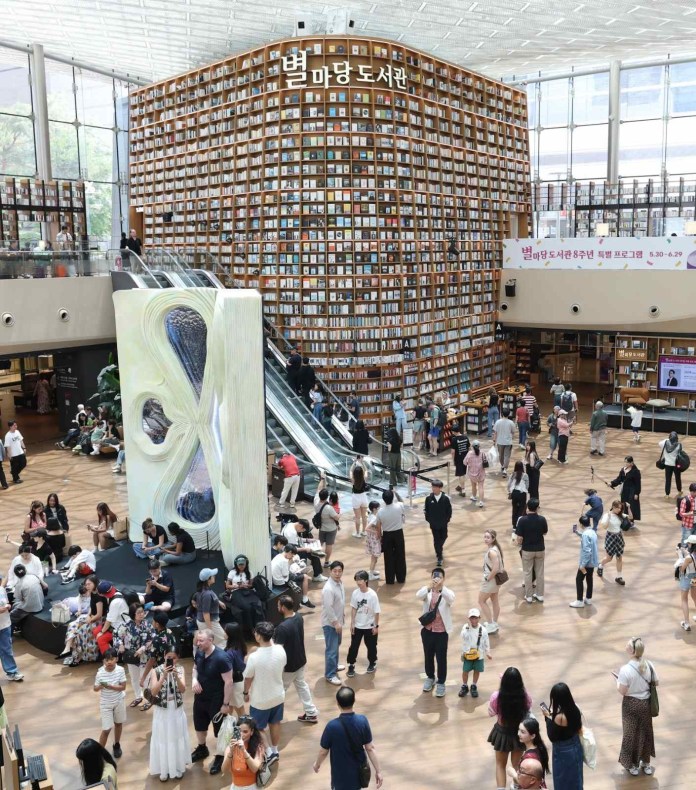
1. Starfield Library: Seoul’s Most Photogenic Rainy-Day Destination
Located inside COEX Mall in Seoul’s Gangnam district, Starfield Library has become one of the city’s most recognizable indoor landmarks. Towering bookshelves reaching approximately 13 meters high, combined with a massive glass ceiling, create a dramatic atmosphere—especially when raindrops fall outside.
Many travel bloggers describe it as one of Seoul’s most atmospheric places to visit during wet weather. Visitors often spend hours reading, taking photos, or simply enjoying the peaceful environment while remaining completely sheltered from the rain.
Its location also makes it especially convenient. The library connects directly to COEX Mall, an aquarium, movie theaters, restaurants, and shopping areas, allowing travelers to spend an entire day indoors without worrying about the weather.
2. Jjimjilbang: Korea’s Famous Spa Culture Feels Even Better When It Rains
For many international visitors, trying a jjimjilbang is already on their Korea bucket list. During the monsoon season, these traditional Korean bathhouses become even more appealing.
After walking through rainy streets, visitors can relax in hot baths, saunas, and heated relaxation rooms before enjoying classic jjimjilbang snacks like sikhye (sweet rice drink) and boiled eggs—an experience made famous by Korean dramas and variety shows.
Modern spa complexes have expanded beyond traditional bathhouses by offering body scrubs, massage treatments, wellness programs, and private spa facilities designed for international guests. As a result, many tourists now consider a rainy afternoon at a jjimjilbang one of the most memorable parts of visiting Korea.
3. Museums That Turn Rainy Weather Into a Cultural Experience
Rainy weather has also increased interest in Seoul’s museums and galleries.
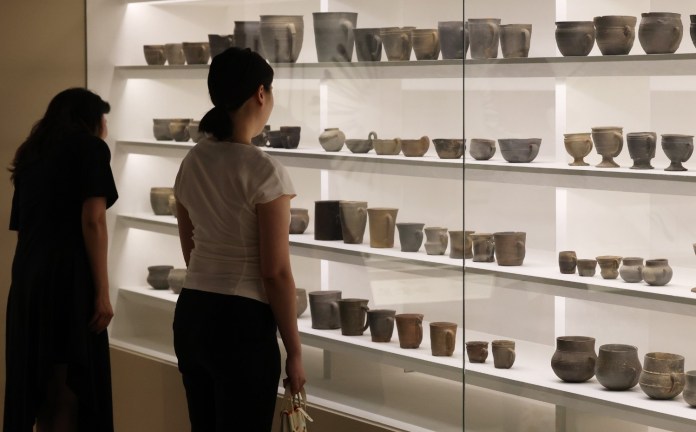
The National Museum of Korea, one of Asia’s largest museums, offers free admission to its permanent exhibitions, allowing visitors to explore thousands of years of Korean history without spending an entire day outdoors. Nearby institutions such as the National Museum of Modern and Contemporary Art (MMCA) showcase contemporary Korean and international artists, providing a completely different perspective on Korean culture.
Many museums now include multilingual exhibitions, digital guides, cafés, gardens, and museum shops, making them destinations where visitors can comfortably spend several hours regardless of the weather.
Why Seoul Is Surprisingly Easy to Explore During the Rain
Unlike many cities where rain disrupts sightseeing plans, Seoul’s infrastructure allows travelers to move easily between attractions. Subway stations often connect directly to shopping centers, libraries, museums, and restaurants, minimizing time spent outdoors.
This convenience has helped reshape how many visitors think about Korea’s rainy season. Rather than viewing it as an inconvenience, travelers increasingly see it as an opportunity to experience quieter attractions, cozy cafés, relaxing spas, and cultural spaces they might otherwise overlook.
For many foreigners, Korea proves that bad weather doesn’t necessarily mean a bad vacation. Sometimes, the best travel memories happen under gray skies.
- HOT NEWS
- Geoje City refutes Ilbe controversy, stating that the YouTube channel "Musupno" uses a local dialect
- Lance Y. Gokongwei Joins PhilWeb Board of Directors, strengthening tech-driven growth strategy
- Spacebox Solidifies Leadership Position in Asia's Valet Storage Sector with Three-Award Victory
- Hong Kong to Host the Fencing World Championships for the First Time
- Mastering Seoul’s Public Transport: Changes in 2026



허블 정보
Copyright © 2017 Huvle All Rights Reserved
admin@huvle.com