
Discovering Korean Cinema: Culture and Convenience Combined
For many visitors, the biggest surprise inside a Korean movie theater isn’t the screen size or reclining seats.
It’s everything that happens before the movie even begins. A customer walks in carrying a fast-food meal instead of popcorn. Another heads straight to the auditorium without stopping at a ticket checkpoint. Nobody seems confused, and nobody questions it.
To first-time foreign visitors, these everyday moments reveal something interesting about how Korean cinemas operate and, in many ways, how Korean society functions.
You don’t always feel like you’re being “checked”
In many countries, entering a movie theater follows a familiar routine: show your ticket, wait for it to be scanned, then head inside.
In South Korea, that experience can feel much more seamless.
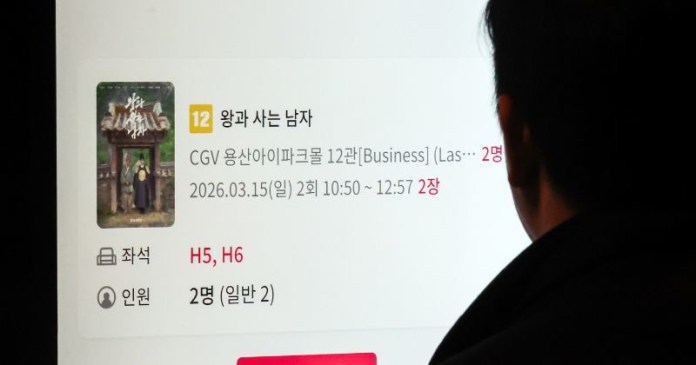
Because most tickets are purchased digitally, moviegoers simply scan a QR code or use automated systems before entering. Depending on the theater and screening, there may be very little visible interaction with staff, making the process feel surprisingly effortless.
For someone unfamiliar with the system, the lack of constant supervision can be unexpected. Yet everything continues to run smoothly because customers generally follow the rules without needing frequent reminders.
Dinner doesn’t have to end before the movie starts
Perhaps the biggest culture shock for many foreigners isn’t the technology—it’s the food.
In numerous countries, popcorn, nachos, and soft drinks are considered standard movie snacks. Bringing in outside food is often discouraged or prohibited.
Korean theaters, however, tend to feel far more relaxed.
It’s not unusual to see someone arrive with a burger, fried chicken, a bakery sandwich, convenience-store snacks, or even a takeaway coffee. Watching a movie while eating an actual meal feels surprisingly normal.
For visitors, this completely changes the idea of what a movie night looks like.
Freedom comes with unspoken rules
Although food choices seem flexible, Korean audiences generally follow an unwritten code of consideration.
People often avoid foods with overpowering smells, keep conversations brief once the film starts, and try not to make excessive noise while opening packages.
The result is an interesting balance: customers enjoy more freedom in what they bring, but that freedom is supported by consideration for everyone else in the auditorium.
It’s a style of etiquette that many foreigners notice after several visits.
Going to the movies fits naturally into daily life
In some countries, seeing a film is reserved for weekends or special occasions.
In South Korea, it can be much more spontaneous.
Someone might stop by the cinema after work, combine dinner and a movie on a weekday evening, or watch a film alone before heading home. With online reservations and assigned seating, planning a visit takes only a few minutes.
Rather than feeling like a major event, going to the movies often becomes another stop in an ordinary day.
Technology keeps everything moving
Another reason Korean cinemas feel different is the amount of automation built into the experience.
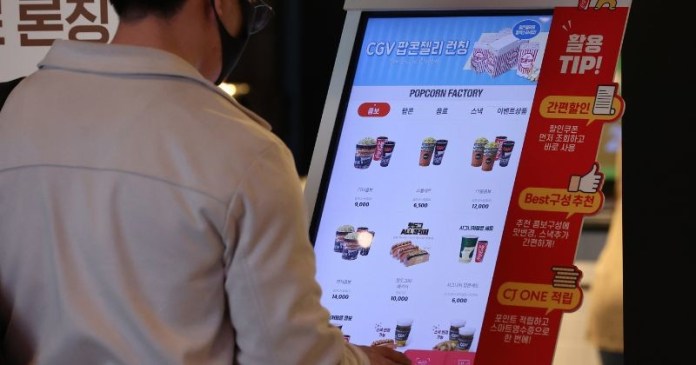
Movie tickets are commonly booked through mobile apps, concession orders can be placed at self-service kiosks, and reserved seating eliminates the need to arrive extremely early.
These small conveniences reduce waiting time and allow visitors to move through the theater with very little friction.
For travelers, it creates an experience that feels fast, organized, and surprisingly efficient.
A glimpse into everyday Korean culture
What seems like a simple movie outing actually reflects several characteristics that foreigners often associate with everyday life in South Korea.
Digital services simplify routine tasks. Customers are trusted to follow procedures responsibly. Personal freedom is balanced with consideration for others. Everyday activities are designed to be as efficient as possible.
None of these elements stand out dramatically on their own, but together they create an experience that feels distinctly Korean.
Many visitors leave the theater remembering not only the movie they watched, but also the unexpected realization that a cinema can reveal quite a lot about the culture surrounding it.
- HOT NEWS
- Generative Bionics Introduces Gene.01, a Fully Functional Smart-Skin Humanoid Robot Platform Designed for Safe Human Collaboration
- ANTA Concludes Global Launch of ANTA FOLD in Singapore
- Inaugural Hospitality South Korea Conference (#HSKC2026) Concludes Successfully in Seoul, Unlocking the Future of the Domestic Travel Market
- How K-Dramas Became the First Way Foreigners Learn About Korean Culture
- From “Why Do You Listen to That?” to Global Mainstream: How the World’s View of K-Pop Completely Changed



허블 정보
Copyright © 2017 Huvle All Rights Reserved
admin@huvle.com