
Discover Korea’s All-in-One Convenience Stores: A Traveler’s Guide
For many travelers, convenience stores are exactly what their name suggests: small shops for snacks, drinks, and forgotten essentials.
In South Korea, however, stepping into a convenience store often feels like entering a miniature department store.
Visitors expecting little more than instant noodles and bottled water quickly discover freshly brewed coffee, hot meals, parcel services, ATMs, printing machines, medicine, cosmetics, mobile phone accessories, and even places to sit down and eat. For many foreigners, the experience completely changes their idea of what a convenience store can be.
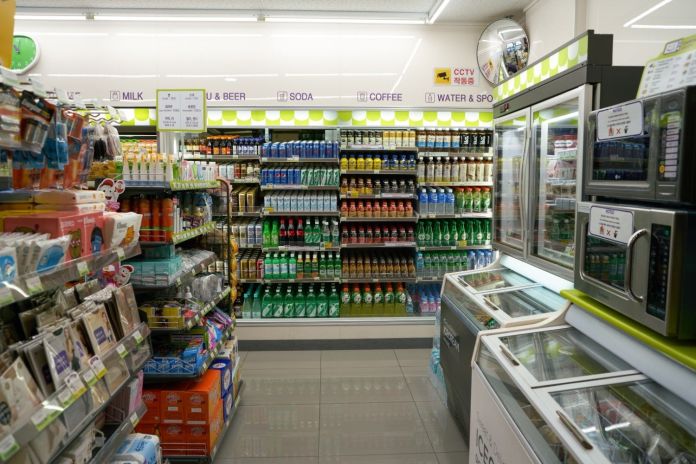
More than a place to buy snacks
South Korea has one of the highest densities of convenience stores in the world. According to the Korea Chainstores Association, the country is home to more than 55,000 convenience stores, with major brands such as GS25, CU, 7-Eleven, and Emart24 competing intensely for customers.
Because stores are often located just a few minutes apart, simply selling basic groceries is no longer enough. Instead, each chain has expanded its services, transforming convenience stores into neighborhood hubs that support daily life.
Industry analysts describe this evolution as a shift from retail stores to “lifestyle platforms,” where convenience is created not only through products but also through services.
A place where almost everything is possible
One reason foreigners are so surprised is the sheer number of things that can be done inside a Korean convenience store.
Depending on the location, customers can:
- Enjoy freshly brewed coffee and bakery items
- Heat ready-made meals using free microwaves
- Eat at indoor seating areas
- Withdraw cash from ATMs
- Send and receive domestic parcels
- Print or scan documents through self-service kiosks
- Buy phone chargers, umbrellas, cosmetics, batteries, and daily necessities
- Pay utility bills or purchase transportation cards at selected stores
Many visitors initially enter looking for a bottle of water but leave realizing they could have completed half their daily errands without going anywhere else.
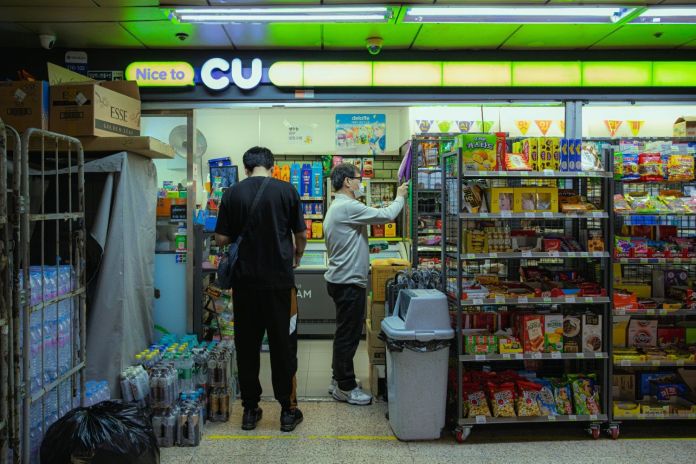
Convenience stores have become restaurants, too
Food is another major surprise.
Unlike in many countries where convenience store meals are considered a last resort, Korean convenience stores actively compete with restaurants by introducing fresh lunch boxes, kimbap, sandwiches, salads, desserts, and seasonal menu items.
Some locations even prepare food on-site, while ramen cooking machines allow customers to cook instant noodles with the push of a button.
The quality has become so well known that international tourists frequently include convenience store meals on their travel itineraries. Videos comparing lunch boxes, desserts, and limited-edition snacks regularly attract millions of views on YouTube and TikTok.
Open when almost everything else is closed
Another reason these stores play such an important role is accessibility.
Many convenience stores operate 24 hours a day, particularly in busy urban neighborhoods. For office workers finishing late, students studying overnight, or travelers arriving after midnight, they often become the only nearby place to buy food, drinks, medicine, or basic necessities.
This reliability has made convenience stores an essential part of Korea’s urban infrastructure rather than simply another retail business.
Competition drives constant innovation
The rapid growth of Korea’s convenience store industry has also encouraged continuous innovation.
Major brands regularly release exclusive collaborations with popular restaurants, entertainment companies, and food manufacturers. Seasonal desserts, limited-edition drinks, character merchandise, and region-exclusive products encourage customers to visit repeatedly.
Digital services have expanded as well. Mobile membership programs, self-checkout systems, app-based promotions, and delivery partnerships have turned convenience stores into both physical and digital shopping destinations.
Instead of competing only on price, companies compete by offering experiences customers cannot find elsewhere.
Foreigners quickly become regular customers
Travel communities often describe Korean convenience stores as destinations rather than necessities.
Many visitors say they stop by multiple times a day, not because they forgot something, but because they are curious about what they might discover next. Trying seasonal desserts, comparing lunch boxes from different brands, or finding unique snacks has become part of the travel experience itself.
For students and long-term residents, convenience stores soon become equally indispensable. They are places to grab breakfast before class, print documents before a meeting, pick up online shopping deliveries, or enjoy a late-night meal after work.
A reflection of modern Korean life
The popularity of Korean convenience stores reflects more than efficient retail.
It illustrates how urban lifestyles continue to evolve in a country where long working hours, compact neighborhoods, and high digital connectivity have created demand for services that save time without sacrificing quality.
To many foreigners, the biggest surprise is not that Korea has so many convenience stores.
It is that each one seems capable of doing the work of a café, grocery store, post office, pharmacy, restaurant, and neighborhood shop all at once.
In South Korea, convenience stores have quietly become one of the clearest examples of how everyday life is designed around convenience itself.
- HOT NEWS
- Pudu Robotics Highlights Its "One Brain, Multiple Embodiments" Physical Agent at WAIC 2026
- Visa Reimagines Visa Infinite for Asia Pacific's Modern Affluent
- Discovering Korean Cinema: Culture and Convenience Combined
- B&R Technology Merger Corp. Announces Pricing of $325 Million Initial Public Offering
- 2026 International Arts Carnival Kicks Off This July


허블 정보
Copyright © 2017 Huvle All Rights Reserved
admin@huvle.com