
Experience Everyday Life in South Korea: A New Travel Trend
For years, most visitors to South Korea followed a familiar travel itinerary. They visited Gyeongbokgung Palace, shopped in Myeongdong, climbed N Seoul Tower, and spent a day exploring Bukchon Hanok Village before checking those famous landmarks off their bucket list.
That travel style is rapidly changing.
Instead of focusing only on iconic attractions, more international visitors are now building their trips around something entirely different: experiencing everyday Korean life. Whether it is taking instant photo booth pictures with friends, booking a Korean hair salon, joining a one-day pottery class, hiking mountains in the middle of Seoul, relaxing by the Han River, or spending hours inside a convenience store trying viral snacks, many travelers are choosing activities that locals actually enjoy. The Korea Tourism Organization describes this growing trend as “dailycation,” referring to travel centered on experiencing the daily lives of Koreans rather than simply visiting famous landmarks.
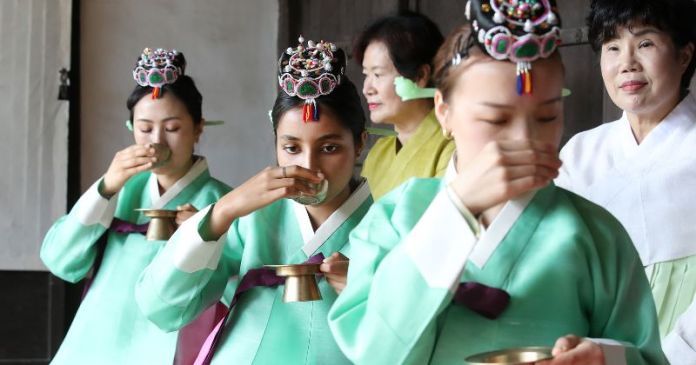
Living Like a Local Has Become the New Tourist Attraction
One of the biggest changes in Korean tourism is that ordinary daily activities have become attractions in their own right.
According to research published by the Korea Tourism Organization, foreign visitors are increasingly interested in beauty salons, shopping, pop-up stores, one-day classes, cafés, parks, and other experiences that allow them to temporarily live like local residents instead of simply observing Korean culture from the outside.
For many travelers, the goal is no longer to collect photos of famous landmarks. Instead, they want memories that feel personal, authentic, and uniquely Korean.
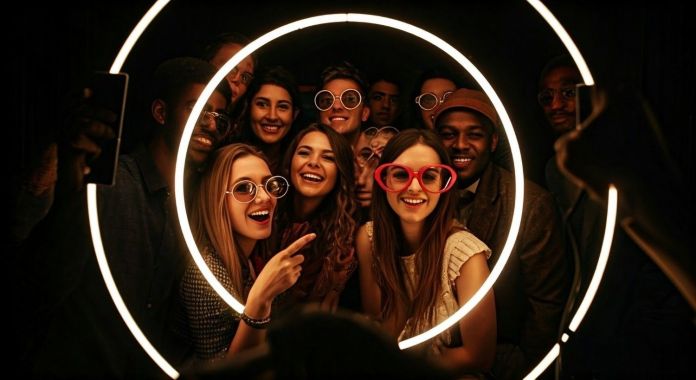
Photo Booths Have Become a Must-Do Activity
One of the clearest examples is the explosion of self-photo studios.
Brands such as Life4Cuts, Photo Signature, and Haru Film have transformed what used to be simple passport-style booths into stylish spaces filled with themed frames, props, and seasonal designs.
Many tourists now visit photo booths several times during the same trip, collecting photo strips as souvenirs instead of buying traditional gifts.
Unlike postcards or magnets, these photos become personalized travel memories shared instantly across Instagram, TikTok, and Xiaohongshu.
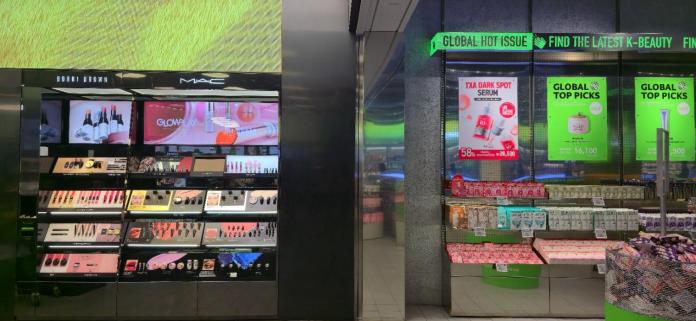
Beauty Experiences Are Replacing Luxury Shopping
Instead of spending an entire day inside department stores, many visitors now reserve appointments at Korean hair salons, personal color studios, makeup shops, dermatology clinics, and scalp spas.
According to the Korea Tourism Organization’s lifestyle tourism analysis, beauty experiences are among the most popular activities for foreign visitors who want to experience everyday Korean beauty culture firsthand rather than simply purchasing skincare products.
The popularity of K-pop and K-dramas has only accelerated this trend, inspiring travelers to recreate the hairstyles, makeup, and skincare routines they see on screen.
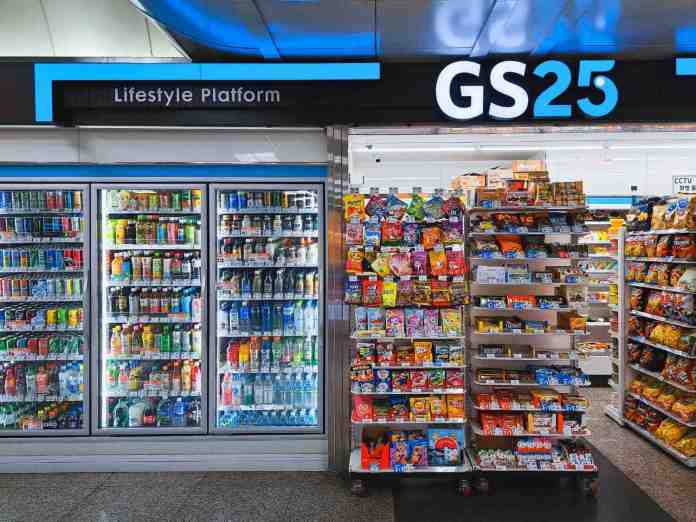
Even Convenience Stores Have Become Tourist Destinations
Perhaps the biggest surprise is the Korean convenience store.
What was once considered an ordinary stop for locals has become one of the most frequently shared travel experiences online.
Visitors now spend hours trying instant ramen, banana milk, triangle kimbap, limited-edition snacks, protein drinks, and viral food combinations before posting their discoveries on social media. Convenience store chains have even reported dramatic increases in purchases by foreign customers, particularly in major tourist districts such as Myeongdong, Hongdae, and Seongsu.
For many travelers, browsing a Korean convenience store feels just as exciting as shopping in a traditional market.
Hiking Has Become an Unexpected Favorite
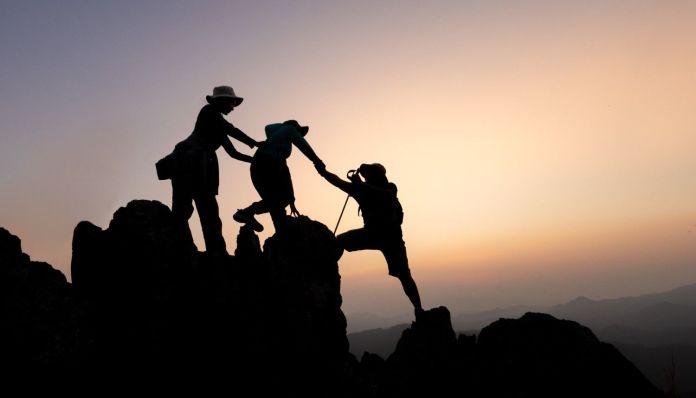
Another activity growing rapidly among foreign visitors is hiking.
Unlike many major cities, Seoul allows residents to reach mountains within minutes using public transportation.
Trails such as Bukhansan, Achasan, Bukaksan, and Gwanaksan have become increasingly popular with international travelers who want panoramic city views while experiencing a hobby enjoyed by many Koreans. Recent visitor data also shows rising numbers of foreign tourists exploring Seoul’s hiking destinations alongside traditional markets.
Korea Is Selling a Lifestyle, Not Just Attractions
Experts say these changing travel patterns reflect a broader shift in global tourism.
Rather than checking famous landmarks off a list, younger travelers increasingly seek experiences that help them understand how people actually live.
South Korea is particularly well positioned for this kind of tourism because Korean daily life itself has become globally recognizable through K-dramas, K-pop, YouTube, and social media.
People are no longer asking, “Where should I visit?”
Instead, they are asking, “How do Koreans spend a normal day?”
The New Korean Travel Bucket List
For today’s visitors, the perfect day in Korea may not include a palace at all.
Instead, it might begin with coffee from a neighborhood café, continue with a personal color consultation, stop by a convenience store for lunch, take instant photo booth pictures with friends, hike a mountain overlooking Seoul, enjoy fried chicken by the Han River, and finish the evening playing games in a PC bang.
These are not activities created for tourists.
They are simply parts of everyday Korean life that travelers have fallen in love with.
And perhaps that is why they have become the newest must-do experiences in South Korea.
- HOT NEWS
- Jung Hyun Lee drives for the first time in 7 years... Visits gas station with husband where fuel price is 1,985 won
- Agoda Data Reveals Indian Travelers Are Expanding Their International Beach Bucket List
- TWS ASMR, Customized Eye Exams and Frame Recommendations for Gifted Individuals
- GreenCore Solutions Corp. (GSC) Ships CPG Knowledge Graph v3.2.0 -- AI Agents at 9.5 Million+ Monthly Transactions
- WJSN's Dayoung and Jay Park to Release First Collaboration Single in August... New Song After 4 Months



허블 정보
Copyright © 2017 Huvle All Rights Reserved
admin@huvle.com