
Foreigners Are Amazed by Korea’s 24-Hour Unmanned Stores and Here is Why
In Korea, wanting ice cream, ramen, snacks, printing services, or even clothes at 3 a.m. is not always a problem. For many foreigners, one of the most surprising parts of daily life in Korea is the number of stores that stay open all night without any staff inside.
Korea is already famous for convenience. Delivery is fast, public transportation is efficient, and convenience stores are everywhere. But the rise of 24-hour unmanned stores has added another layer to that image. These stores are small, practical, and surprisingly easy to use. Customers enter, choose what they want, pay at a self-checkout machine, and leave. No cashier. No conversation. No waiting.
For foreigners from countries where most shops close early, this can feel almost unbelievable.
Korea Makes Late-Night Life Feel Easy
In many Western countries, shopping late at night can be difficult. Supermarkets may close early, small shops may not operate after dark, and late-night options are often limited to gas stations, bars, or a few convenience stores.
In Korea, the situation can feel very different. Even outside major nightlife areas, people can often find convenience stores, cafés, snack shops, ramen shops, coin laundries, printing rooms, and unmanned stores open late or operating 24 hours.
This changes the feeling of the city. If someone suddenly wants ice cream after midnight, needs to print documents before class, or wants a quick bowl of ramen at 2 a.m., there may be a place nearby.
For foreigners, this creates a strong sense of freedom. The city feels awake even when most people are sleeping.
24-Hour Ice Cream and Snack Stores Are Everywhere
One of the most common unmanned stores foreigners notice in Korea is the 24-hour ice cream and snack shop.
These stores often have freezers filled with ice cream bars, cones, tubs, and Korean frozen desserts. Shelves are stocked with chips, candy, instant snacks, drinks, and sometimes imported treats.
The concept is simple: walk in, pick what you want, scan it, pay, and leave.
For foreigners, the trust-based system can be surprising. In many countries, leaving a store open without staff all night would feel risky. But in Korea, these shops have become part of ordinary neighborhood life.
They are especially popular because they serve real late-night cravings. Sometimes people do not want a full meal. They just want something sweet after dinner, something cold in summer, or a quick snack while walking home.
In Korea, even that small craving has its own 24-hour solution.
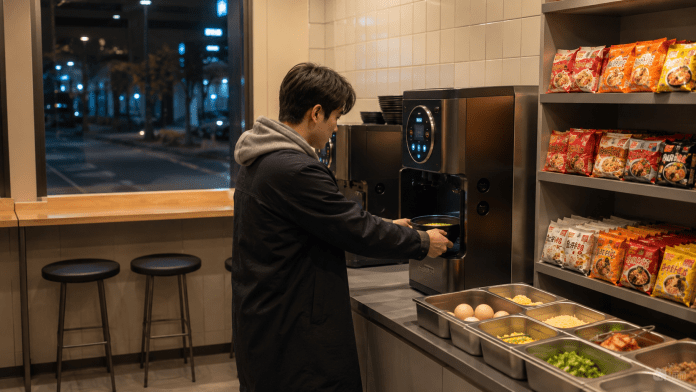
Unmanned Ramen Shops Feel Like a Korean Dream
Another fascinating service is the unmanned ramen shop.
Foreigners often love Korean instant ramen, but unmanned ramen stores make the experience even more interesting. Customers choose a packet of ramen, pay at the kiosk, and cook it themselves using special machines that boil the noodles automatically.
Some shops also offer toppings such as eggs, cheese, green onions, sausages, or dumplings.
For foreigners, this feels very Korean: fast, efficient, fun, and built around a food that already has a strong place in Korean culture.
The best part is that it can be done at almost any hour. A student studying late, an office worker returning home, or a group of friends after drinking can stop by and cook ramen without needing a restaurant server.
It is not fancy, but it is memorable. For many foreigners, eating self-cooked ramen in a tiny 24-hour shop becomes one of those small Korea moments they never forget.
Even Shopping at 3 A.M. Can Be Possible
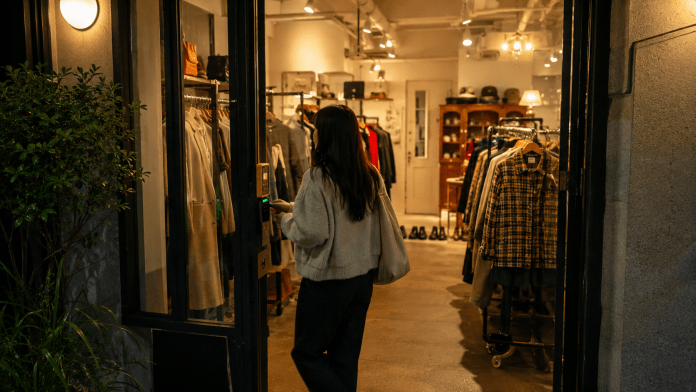
Perhaps the most surprising version of this culture is unmanned clothing and vintage shops.
Some stores allow customers to enter after hours using a credit card or access system at the door. Inside, shoppers can browse clothes, vintage items, accessories, or lifestyle goods without staff present.
For foreigners, this idea can feel almost unreal.
In many places, clothing shopping is limited to normal business hours. But in Korea, the logic of convenience can extend even to fashion.
If someone suddenly feels like browsing clothes late at night, it may actually be possible.
This reflects something interesting about Korean consumer culture. Shopping is not always treated as a daytime activity. Because people work late, study late, and move around the city at unusual hours, services adapt to those schedules.
The result is a city where even personal errands can happen at night.
24-Hour Printing Shops Are a Lifesaver for Students
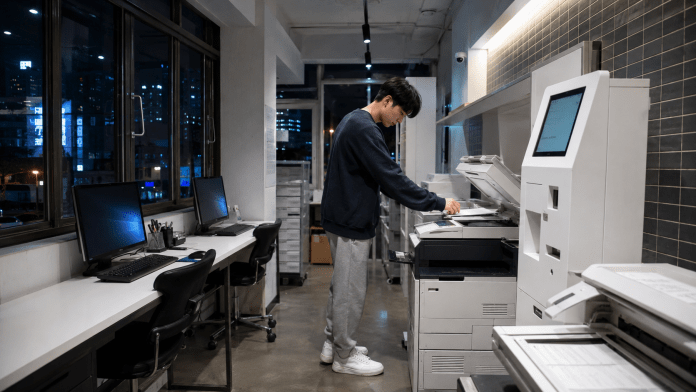
Unmanned printing shops are another service that impresses foreigners, especially students.
In Korea, many students need to print assignments, documents, applications, reports, tickets, or study materials. Instead of waiting for school offices or copy shops to open, they can use 24-hour printing rooms.
These places usually offer computers, printers, scanners, copy machines, and payment kiosks. Customers can print what they need quickly, even late at night or early in the morning.
For foreign students, this can feel incredibly useful.
In some countries, printing something outside school hours can be stressful. If a deadline is the next morning and the printer at home does not work, options may be limited. In Korea, there is often a print shop designed exactly for that emergency.
It is one of those services that seems small until the moment someone desperately needs it.
Why Foreigners Find Unmanned Stores So Impressive
The surprise is not only that these stores are open 24 hours. It is that they work smoothly.
The payment machines are usually simple. The layout is easy to understand. Security cameras are visible. Instructions are often clear enough even if someone does not speak fluent Korean.
For foreigners, this says a lot about Korean daily life.
Korea is a country where convenience, technology, and trust often come together. The systems are designed to reduce friction. Customers do not need to wait for staff, explain anything, or follow complicated steps.
They can simply solve their problem and move on.
That efficiency is one of the reasons Korea feels so convenient to many visitors and residents.
The City Works Around People’s Real Schedules
Korea’s 24-hour unmanned culture also reflects the rhythm of Korean life.
Many people finish work late. Students study at night. Friends meet after long days. People commute across the city. Life does not always fit neatly into traditional store hours.
Unmanned stores fill that gap.
They are not only about technology. They are about understanding that people need services at inconvenient times.
A late-night snack, a quick print job, emergency ice cream, self-cooked ramen, or even unexpected shopping — these are small needs, but Korea turns them into accessible services.
A Small Culture Shock That Feels Very Korean
For foreigners, 24-hour unmanned stores can feel like a perfect symbol of modern Korea.
They are practical, fast, slightly futuristic, and deeply connected to everyday convenience. They show how Korea solves small problems with systems that are easy to use and available almost anytime.
At first, foreigners may be surprised that a shop can operate without staff overnight. Then they try it once. They buy ice cream at midnight, cook ramen after a night out, print documents at 1 a.m., or browse a vintage store after dark.
After that, the reaction is often the same: “Why doesn’t my country have this?”
In Korea, convenience does not always sleep.
And for foreigners, that may be one of the most impressive parts of living here.
- HOT NEWS
- Shin Seung-yong apologizes for injuring Seo Chul-gu's hand during the filming of 'Bloody Game X'... "Reflecting on violent behavior"
- ITZY to hold the 5th fan meeting in August... Practice scene filled with passion for "ALL IN" revealed
- Share buybacks in Ericsson during the period July 20 - July 24, 2026
- 'Noona Is My Girl 2' Choi Yoo-jin and Lee Si-won Overcome Age Gap but Fail to Become Final Couple
- Best Time to Visit South Korea: Seasonal Guide for Travelers



허블 정보
Copyright © 2017 Huvle All Rights Reserved
admin@huvle.com