
One Year, 5.25 Million Albums: How CORTIS Became One of K-pop’s Fastest-Rising Boy Groups
One year ago, CORTIS were five rookies trying to convince listeners that calling themselves a “Young Creator Crew” was more than clever branding.
Twelve months later, the phrase has become central to their identity.
CORTIS Martin, James, Juhoon, Seonghyeon and Keonho marked their first debut anniversary on August 18, exactly one year after officially entering the K-pop industry with “What You Want.” From the beginning, the BIGHIT MUSIC group positioned its members not only as performers but as active participants in creating their music, choreography and visual content.
Their first year delivered numbers that would normally take a young group much longer to build.
According to figures released around the anniversary, CORTIS have surpassed 1.1 billion cumulative Spotify streams, while HYBE previously reported combined physical sales of approximately 5.25 million copies from the group’s first two albums. Their second EP, GREENGREEN, debuted at No. 3 on the Billboard 200 and remained on the chart for 13 consecutive weeks.
Yet when the members looked back on those 12 months, their answers were less about chart positions than about learning how to stand on a stage.
And increasingly, that stage has become much larger.

From ‘What You Want’ to ‘REDRED’
CORTIS officially debuted on August 18, 2025, with their first EP era centered around “What You Want.” Their debut project established the group’s creative-participation concept, with the members contributing across music, choreography and visual ideas rather than being presented solely as performers.
That approach became much clearer with their second EP, GREENGREEN.
Released in May 2026, the album pushed the group further toward an intentionally youthful, somewhat rough-edged identity. Its lead single “REDRED” became one of the group’s biggest songs, while fan discussion around the release repeatedly praised how much more personally connected the members appeared to the project’s musical and conceptual direction.
When GREENGREEN debuted at No. 3 on the Billboard 200, international fans reacted with a mixture of surprise and excitement. One highly upvoted discussion joked that CORTIS’ future was now looking “greengreen,” while others noted how firmly “REDRED” had lodged itself in their heads.
The album’s success extended well beyond its first week.
By their anniversary, GREENGREEN had spent 13 consecutive weeks on the Billboard 200, which Korean reports described as the longest run achieved by a boy group that debuted within the previous five years.
For a group only turning one, it dramatically changed the expectations surrounding what year two might look like.
1.1 billion Spotify streams in a year
Streaming growth has been equally striking.
BIGHIT MUSIC announced in July that CORTIS had passed one billion cumulative Spotify streams, with their total reaching roughly 1.06 billion by July 24. By August 13, reports surrounding the anniversary placed that figure above 1.1 billion across their released catalog. Their debut EP alone had already surpassed 600 million Spotify streams by June. HYBE also told investors that CORTIS had sold approximately 5.25 million albums cumulatively within their first 11 months, with GREENGREEN accounting for more than three million copies of that total.
Those numbers help explain why CORTIS’ first anniversary feels less like the end of a rookie introduction and more like the beginning of a larger global push.
But according to the members themselves, the most important growth happened somewhere charts cannot measure.
Martin and James say performing changed them
Asked where he had improved most since debut, Martin pointed directly to his ability on stage.
He singled out CORTIS’ first tour, PUT YOUR PHONE DOWN, and the group’s appearance at Lollapalooza Chicago as experiences that transformed the way he thinks about performing. Martin said those shows made him feel that communicating with audiences was a major reason he wanted to perform in the first place.
James chose Lollapalooza as an especially important turning point as well. The festival had been a dream stage he watched online before becoming a trainee. CORTIS ultimately performed an approximately 40-minute, 11-song set on one of Lollapalooza Chicago’s main stages in early August. James described the experience as the first time he felt capable of fully controlling himself on stage while balancing instinct with conscious performance decisions.
The group’s official TikTok account later described its Lollapalooza aftershow as “insane,” while fan coverage of the Chicago appearance highlighted the crowd’s energy and the loyalty of the growing COER fandom. For a group celebrating its first birthday only weeks later, performing at one of the United States’ largest music festivals represented an unusually fast transition from rookie showcase stages to global festival audiences.
Seonghyeon remembers not knowing where the cameras were
Not every member described the year through major milestones. Seonghyeon offered one of the clearest reminders of just how new CORTIS were only 12 months ago. Looking back at his earliest performances, he recalled struggling to locate cameras and not always knowing which facial expressions to make. Now, he said, he feels increasingly comfortable treating the stage as his own space and thinking about how to show the group more effectively to an audience.
Keonho has experienced another kind of transformation. He noted that he has continued physically growing even after debut, meaning changes in his height and voice have effectively been documented through the group’s photographs and videos. That detail makes CORTIS’ first year particularly interesting. The members are not simply developing professionally in public. Some are still visibly growing up while millions of people are watching.
‘YOUNGCREATORCREW’ became more than a nickname
When CORTIS debuted, the “Young Creator Crew” description could easily have been dismissed as another agency created slogan. The members themselves apparently felt some of that awkwardness.
Keonho admitted that being introduced with the phrase initially felt slightly strange. That changed after the group transformed its shortened Korean nickname into the song “YOUNGCREATORCREW.”
Martin now considers the track one of the defining moments of their first year. He said the song helped establish CORTIS’ internal culture and watched with satisfaction as references surrounding “Young Creator Crew” increasingly became part of the group’s public identity.
Juhoon similarly selected the experimental song as the track he feels most attached to, arguing that it expanded the boundaries of what the group could attempt musically.
Fans have responded to that experimentation as well. One discussion about GREENGREEN praised CORTIS for introducing listeners to artists and styles they might not otherwise have explored, with the writer saying the group had expanded their own musical taste. That may ultimately prove more valuable than any single trend or meme. CORTIS are trying to teach fans what kind of unpredictability to expect from them.
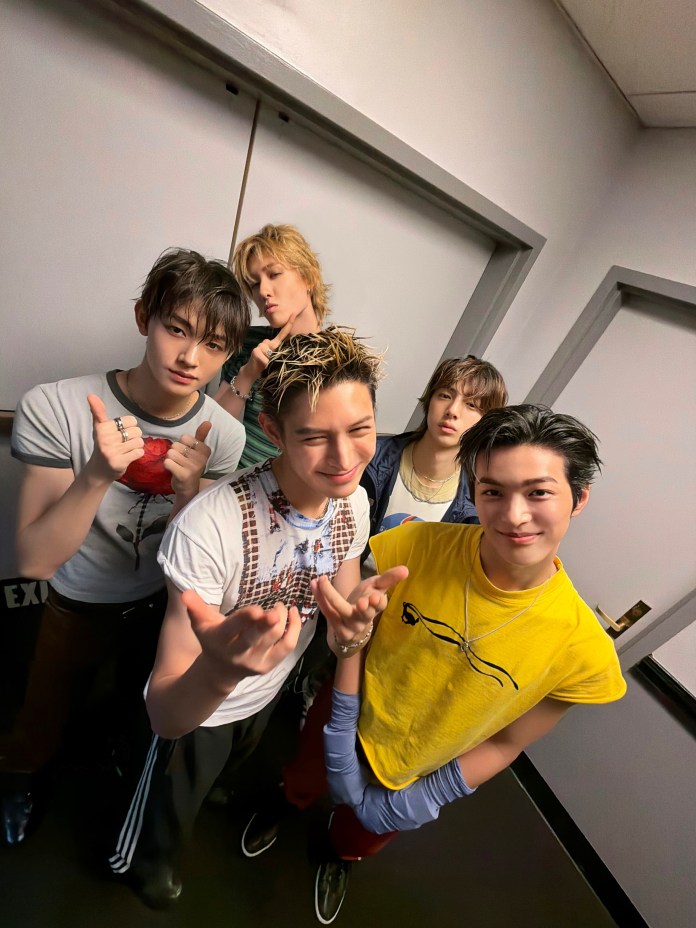
Their first tour also brought criticism and lessons
CORTIS’ rookie year has not been universally smooth. Their first solo tour opened in Incheon in July to sold-out crowds, but some attendees criticized the approximately 100-minute opening-night runtime and the repetition of several songs within the setlist. With only a relatively small catalog available, “REDRED” and “YOUNGCREATORCREW” were reportedly performed multiple times in different contexts.
Fans also questioned the lack of elements commonly expected from full K-pop concerts, including costume changes, cover stages and extended video segments. The second Incheon performance reportedly responded to some of that feedback with a longer encore and additional audience-requested material, although criticism about the overall concert structure remained.
Their first year was not simply a sequence of records being broken. They were also learning in real time what audiences expect when a successful rookie group suddenly begins operating at touring scale. The North American leg that followed appears to have built momentum, with reports saying its dates sold out. BIGHIT also introduced a dedicated PYPD app that measures audience movement during concerts and ranks cities based on crowd energy an unusually literal extension of the tour’s “put your phone down” concept.
CORTIS now want arenas and eventually stadiums
The biggest clue about where the members see themselves going came when they were asked about their future. CORTIS said they want to continue expanding their limits, experimenting with new experiences and becoming both better artists and better people.
Then they named the physical scale of that ambition. First, arenas. Eventually, stadiums. For a one year old group, it is an enormous target. But their first 12 months have already included a Billboard 200 top-three album, more than a billion Spotify streams, multimillion album sales, a Lollapalooza appearance and an international tour.
The ambition therefore does not sound quite as abstract as it might have on their debut day.
First anniversary celebrations continue in Seoul
CORTIS’ anniversary itself will extend beyond August 18.
The group will hold BIRTHDAY PARTY concerts at Korea University’s Hwajeong Gymnasium in Seoul on August 22 and 23. Membership presales for the shows sold out, according to Korean reports. A related anniversary pop-up is also running in Seoul’s Seongsu district from August 14 through August 20, with merchandise and a display zone featuring handwritten material and imagery connected to the group. It gives COER a physical place to celebrate a year that moved unusually quickly.
The members seem to feel that speed themselves.
Martin compared the past 12 months to swimming through waves and emerging as a stronger fish. James said the anniversary arrived before he had fully processed everything that happened. Juhoon remembered how uncertain debut once felt. Seonghyeon called the first anniversary only the beginning.
And Keonho’s message to fans may have summarized their collective mood most simply: There is still much farther to go.
After one year, CORTIS have already accumulated the kind of statistics that make a rookie group difficult to ignore. Their second year will pose a more complicated challenge. The question is no longer whether people will notice them.
It is how far a “Young Creator Crew” can take the identity they spent year one convincing people to believe in.
- HOT NEWS
- TXT's new song 'Setsuna Hanabi' music video released... Directed by Woo-gi Kim, produced by MOTHER Media
- Monsta X to release new mini album [The Phase] on September 4... Hyungwon teaser revealed
- 2026 TME Chinese Music Impact Summit Held: Music IP and New Growth Paths for the Industry in the AI Era
- Messi shares heartfelt update on social media... "Love you, Dad"
- Amutta Band, Behind the Scenes of Busan and Seoul Concerts Revealed... Kim Yongjun and Young Tak Guest Performances



허블 정보
Copyright © 2017 Huvle All Rights Reserved
admin@huvle.com