
Park Hae-il Lures Park Seo-joon Toward a 24-Year-Old Mystery in Firefly
Park Seo-joon and Park Hae-il are officially teaming up for one of the more intriguing Korean historical films now heading into production.
Producers Migo Works and Kirin Film confirmed on August 21 that the two actors will lead director Lee Joon-ik’s new film Firefly, alongside Choi Dae-hoon. Filming is scheduled to begin on September 27.
The project is not a conventional palace-era historical drama.
Instead, it moves between 1950, shortly after the outbreak of the Korean War, and 1974, during South Korea’s authoritarian period, following a mystery that remained hidden for 24 years.
That timeline gives the movie an unusual hook: a detective thinks he is chasing the case that could finally rescue his career, only to discover that the real story began decades before he arrived.
Park Seo-joon plays a detective trapped by his family history
Park Seo-joon stars as Joon-kyung, a detective living in 1974.
Despite wanting to advance professionally, his career has been restricted by yeonjwaje, Korea’s historical guilt-by-association system, under which people could face surveillance or discrimination because of the political background or alleged actions of relatives. Research based on Korean state records has documented how such practices were used to identify and exclude people on the basis of family and ideological associations.
Joon-kyung therefore has a personal reason to desperately want a major case. His opportunity appears when a mysterious man tells him that something waiting in Hwayong-myeon could deliver the career-making result he needs.
Joon-kyung follows the lead. What he finds instead draws him closer to the truth about something that happened there in 1950.
The role also marks Park Seo-joon’s return to Korean cinema after Concrete Utopia, with current production reports describing Firefly as his first film project in roughly three years.

Park Hae-il may hold the key to the entire mystery
Park Hae-il plays Man-seop, the unidentified man who sends Joon-kyung toward Hwayong.
At first, he appears to be offering the detective exactly what he wants: information that could produce a major professional achievement. But his real motivation remains unclear. Why does Man-seop want Joon-kyung to visit the area? What does he know about what happened there in 1950? And why has that truth remained buried for 24 years?
Those unanswered questions place Park Hae-il at the center of the film’s mystery.
It is particularly fitting casting for an actor whose performances in films such as Memories of Murder, The Fortress, Decision to Leave and Hansan: Rising Dragon have repeatedly relied on ambiguity and restrained tension.
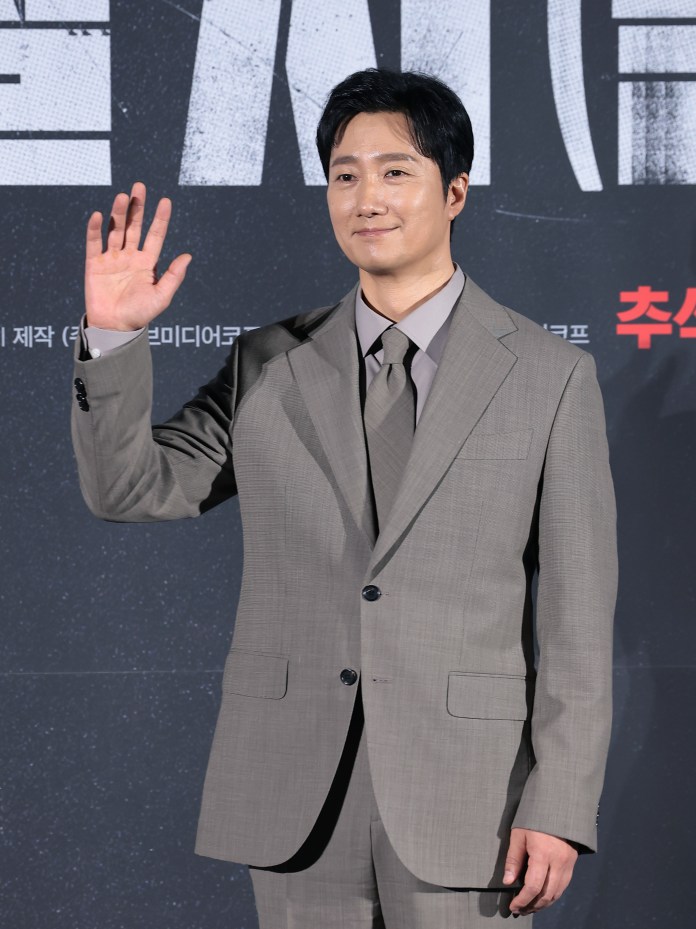
Choi Dae-hoon becomes a powerful intelligence official
Choi Dae-hoon joins them as Tae-sik, deputy director of the Korean Central Intelligence Agency.
The character is described as someone who believes every action he takes is justified by patriotism.
That immediately places him in a potentially threatening position within the story.
In 1974, the KCIA held enormous political power during President Park Chung-hee’s authoritarian government, making Tae-sik more than an ordinary bureaucrat standing in the detective’s way. For Choi, the character is also expected to contrast with some of the warmer or more comedic performances that have recently increased his popularity.
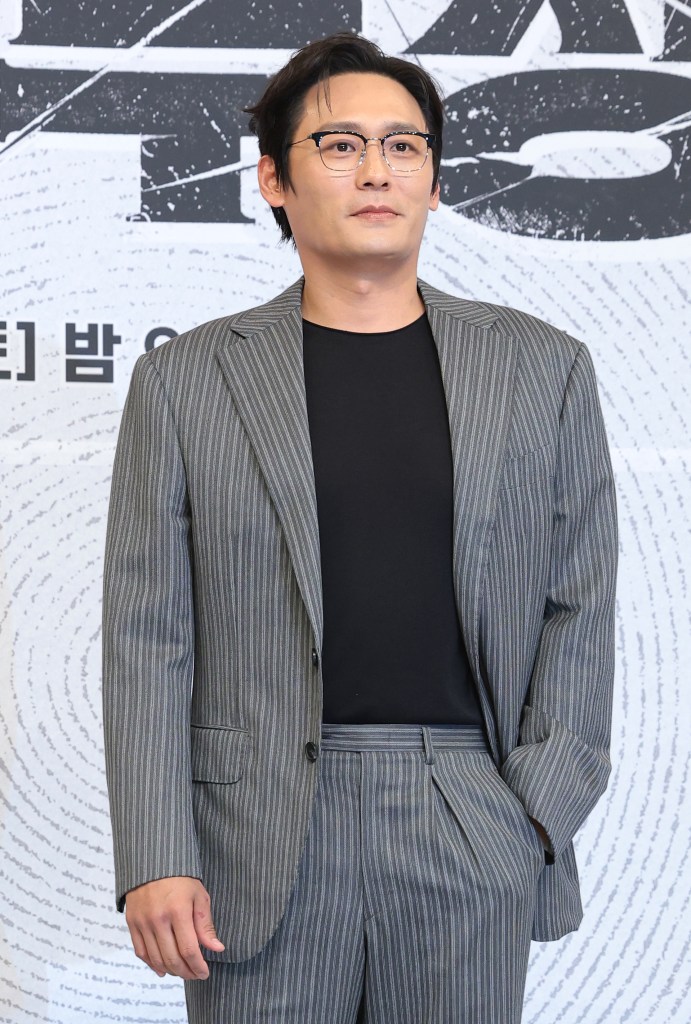
This is exactly the kind of history Lee Joon-ik likes to explore
The director may be the biggest reason Firefly deserves attention. Lee Joon-ik has repeatedly used Korean history not simply as scenery, but as pressure placed upon ordinary people. His filmography includes The King and the Clown, The Throne, Dongju: The Portrait of a Poet, Anarchist from Colony and The Book of Fish. The Korean Film Council lists The Book of Fish as his most recent feature directing credit, released in 2021.
That makes Firefly a significant return to feature filmmaking.
It also brings him back to the type of historical storytelling for which he is best known: characters trying to remain human while political systems, war and social hierarchy close in around them.
This time, instead of focusing on one historical moment, Lee is connecting two.
Why the 1950–1974 structure is interesting
The film’s most compelling idea may be its 24-year gap. In 1974, Joon-kyung believes he is investigating a present-day opportunity. But the answer appears to be buried in the summer of 1950, when the Korean War had only recently begun. Earlier reports about the project said the story involves residents of Hwayong Village who had been living in hiding after being believed dead, although the newly released official synopsis is more careful about exactly what happened to them. That suggests the movie may gradually reveal how violence from one political era continues shaping lives decades later.
For international viewers, that could make Firefly more accessible than a history lesson built around dates and famous political figures. The mystery begins with one detective. The history emerges through the people he finds.
Park Seo-joon is taking another serious turn
The project also continues Park Seo-joon’s move toward darker film roles.
Many international viewers still associate him most strongly with romantic and comedic dramas such as Fight for My Way, What’s Wrong With Secretary Kim and Itaewon Class.
But Concrete Utopia showed a much harsher side of his acting through an ordinary man transformed by disaster. Firefly appears to push him somewhere different again. Joon-kyung is not a heroic detective entering the story from a position of confidence. He is already frustrated, professionally restricted and tempted by the promise of success.
That makes the mystery personal before he even understands what he is investigating.
- HOT NEWS
- Want to Live in Seoul? Here’s What Foreigners Should Know Before Signing a Lease
- BTS 'Arirang' ranks 21st on the Billboard 200... 'SWIM' ranks 5th on the global chart and begins tour
- Plotio Strengthens Internal Risk Governance Through Employee Training and Talent Development
- Sungmi Lee, participating in the 815 Run after complete recovery from breast cancer... "I will challenge a marathon next year"
- Jin Seo-yeon releases swimsuit video... draws attention for losing 28kg just 40 days after giving birth



허블 정보
Copyright © 2017 Huvle All Rights Reserved
admin@huvle.com